
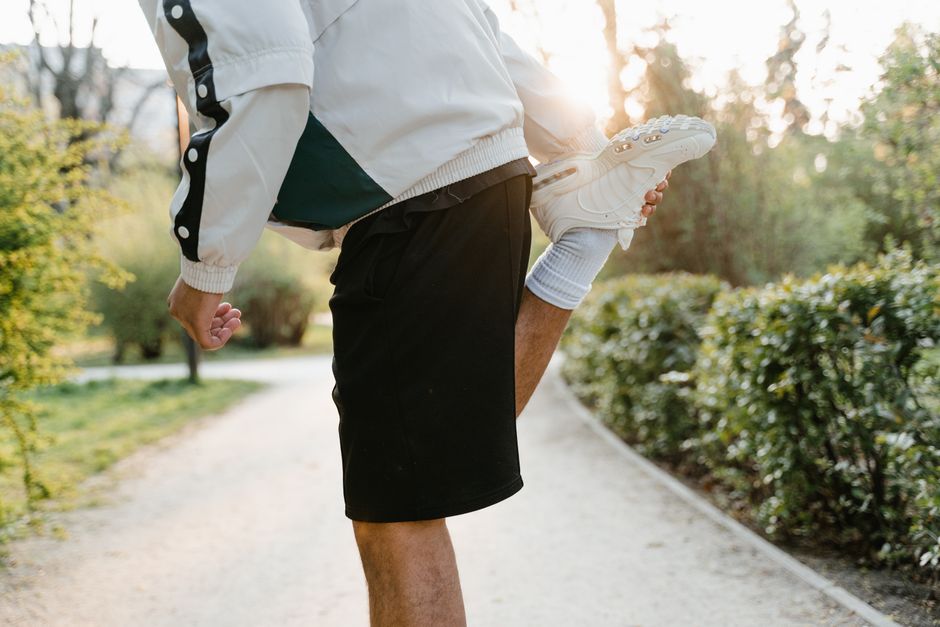
You can stretch shoes at home using a few basic methods: stuff them tightly with socks, wear thick socks around the house, apply gentle heat from a hair dryer, or use a shoe stretcher. Leather and suede respond best because they soften with warmth and moisture. Synthetic materials like patent leather and most plastics stretch very little, and some will not stretch at all.
The goal is simple. You are trying to reshape the upper material just enough to stop a specific spot from rubbing or pinching. Done carefully, this works. Done too fast with too much heat, you can crack leather or warp a sole.
How Can You Stretch Your Shoes at Home?
Four methods cover most situations. Start with the gentlest and work up.
The sock and shoe stretcher method
This is the safest approach for leather. Buy or borrow a shoe stretcher, insert it, and tighten the knob until you feel firm resistance. Leave it in for a day, then tighten a little more. Repeat over several days.
Many stretchers come with small metal bumps you can insert into holes near the toe or the side. These target bunions and specific pressure points. If you do not own a stretcher, thick socks packed tightly into the toe box work as a rough substitute, though they apply less controlled pressure.
The thick socks method
Put on two or three pairs of thick socks. Warm the shoes with a hair dryer on low for about 30 seconds. Then walk around your home for 10 to 20 minutes. The warmth softens the material while your feet push it outward.
Repeat this a few times rather than doing one long session. Heat applied too long or too close can damage the finish on leather and can loosen glued seams on any shoe.
The freezer method
Fill two zip-top bags about one-third full with water. Seal them and place one inside each shoe, pushing it into the toe. Put the shoes in the freezer overnight.
Water expands as it freezes, and that expansion pushes against the inside of the shoe. The effect is real but modest. This method works better on canvas and fabric than on stiff leather, and it does nothing for most synthetic uppers.
Professional stretching
A cobbler or shoe repair shop has hydraulic stretchers that apply even, controlled pressure. This costs more than a home method but carries less risk of damage, especially on expensive shoes. If the shoe is worth more than the cost of stretching it, this is often the better call.
Does Heat and Water Actually Work?
Heat and moisture work on leather because of how leather is made. Leather is animal skin that has been tanned, and the fibers within it can slide past one another when the material is warm and slightly damp. Once it cools and dries in a stretched position, it tends to hold much of that new shape.
This is why the combination of warmth, moisture, and then wearing the shoe works better than any single step alone. It is also why the change is usually gradual and partial, not dramatic.
Water alone, without heat, does less. Heat alone, without moisture, risks drying and cracking the leather. The two together are what make the fibers move.
Synthetic materials behave differently. Many are woven or molded plastics that do not have the same sliding fiber structure. Some will stretch slightly with heat, but the change is often small and sometimes temporary. Patent leather, which has a plastic coating over the surface, generally will not stretch at all.
Which Materials Can Be Stretched?
Material matters more than method. A technique that works well on one shoe can ruin another.
| Material | Stretchability | Best approach |
|---|---|---|
| Leather | Good | Stretcher plus warmth and moisture |
| Suede | Moderate | Stretcher, minimal heat |
| Canvas and fabric | Moderate | Freezer method or stretcher |
| Mesh athletic uppers | Limited | Usually little change possible |
| Patent leather | Very poor | Not recommended |
| Rubber and most plastics | Very poor | Not recommended |
Suede needs a gentler hand than smooth leather. Too much heat can flatten the nap and leave a shiny patch that will not come back. Use a stretcher and let time do the work.
If a shoe is made almost entirely of synthetic material, be realistic. You may gain a small amount of room, or you may gain nothing. No home method will turn a shoe that is a full size too small into one that fits.
Can You Stretch Shoes That Are Too Small?
There is a limit, and it is smaller than most people hope. Stretching can typically add a little width or relieve pressure at one specific spot. It cannot add length in any meaningful way.
If a shoe is tight at the widest part of your foot, or if one toe rubs against the front, stretching has a reasonable chance of helping. If your toes are jammed against the end of the shoe, or if the shoe is a full size too small, stretching will not fix it. The length of a shoe is set by the sole, and the sole does not stretch.
Here is a useful way to think about it. Stretching changes the shape of the upper, not the footprint of the shoe. If the problem is shape, stretching may help. If the problem is size, it will not.
This matters for your feet. Shoes that are too short can cause blisters, calluses, and toenail problems, and over time they can contribute to bunions and other foot deformities. If a shoe is genuinely too small, the honest answer is to replace it rather than force it.
What About the Rice and Newspaper Trick?
You have probably seen advice about filling wet shoes with dry rice or crumpled newspaper and leaving them overnight. The idea is that the rice or paper absorbs moisture and forces the shoe to hold a wider shape as it dries.
The drying part is real. Newspaper and rice do absorb moisture, and this can help a damp shoe dry without losing its shape. What these methods do not do is apply meaningful outward pressure. Loose rice and crumpled paper settle into the shoe rather than pushing against it.
So this trick is better described as a way to dry shoes while holding their shape than as a way to stretch them. If you want to stretch, you need something that pushes outward with force, like a stretcher or your own foot inside a thick sock.
How Long Does Stretching Take?
Expect days, not minutes. A shoe stretcher left in place for a day or two may produce a small change. Meaningful stretching usually takes repeated sessions over a week or more.
The sock method is similar. A few short sessions over several days will do more than one long session. Rushing with high heat risks cracking the leather or loosening the glue that holds the sole.
There is no fixed timeline that applies to every shoe. Results depend on the material, how much room you are trying to gain, and how the shoe was constructed. Some shoes change noticeably in a few days. Others barely change at all.
What Can Go Wrong?
Most home stretching fails in one of two ways: nothing happens, or the shoe gets damaged.
Damage usually comes from heat. A hair dryer held too close or used too long can crack leather, melt synthetic coatings, or weaken the adhesive that bonds the sole to the upper. Keep heat on low, keep the dryer moving, and keep it several inches away from the shoe.
Water can also cause problems. Soaking leather can leave water stains or cause the material to stiffen as it dries. A light mist is usually enough. Do not submerge shoes in water.
Some shoes should not be stretched at all. Patent leather, most plastics, and shoes with delicate decorative finishes are poor candidates. If a shoe has visible cracks or the sole is separating, stretching will likely make things worse.
When Should You Just Buy a Different Size?
If home methods have not helped after a week of effort, more effort probably will not help either. At that point, the shoe is the wrong size or the wrong shape for your foot.
This is not a failure on your part. Feet vary in width, arch height, and toe shape, and no single shoe design fits everyone. Some people need a wider width, a different last, or a style with more room in the toe box.
The right shoe is the one that fits without needing to be forced. Stretching is a useful tool for fine-tuning a shoe that is almost right. It is not a solution for a shoe that is fundamentally the wrong size.
Frequently Asked Questions
Can you stretch shoes that are too small?
You can gain a small amount of width or relieve pressure at one spot, but you cannot add length. If a shoe is a full size too small or your toes are jammed at the front, stretching will not fix it.
Do shoes stretch on their own over time?
Leather shoes do loosen slightly with wear as the material softens and molds to your foot. Synthetic shoes generally do not stretch much with wear, and some show almost no change at all.
Does the freezer method actually work?
It can produce a small amount of stretch, especially on canvas and fabric shoes, because water expands as it freezes. The effect is modest and does little for stiff leather or most synthetic uppers.
Can you stretch patent leather shoes?
Patent leather generally will not stretch because of the plastic coating on its surface. Home methods are unlikely to help and may damage the finish.
