
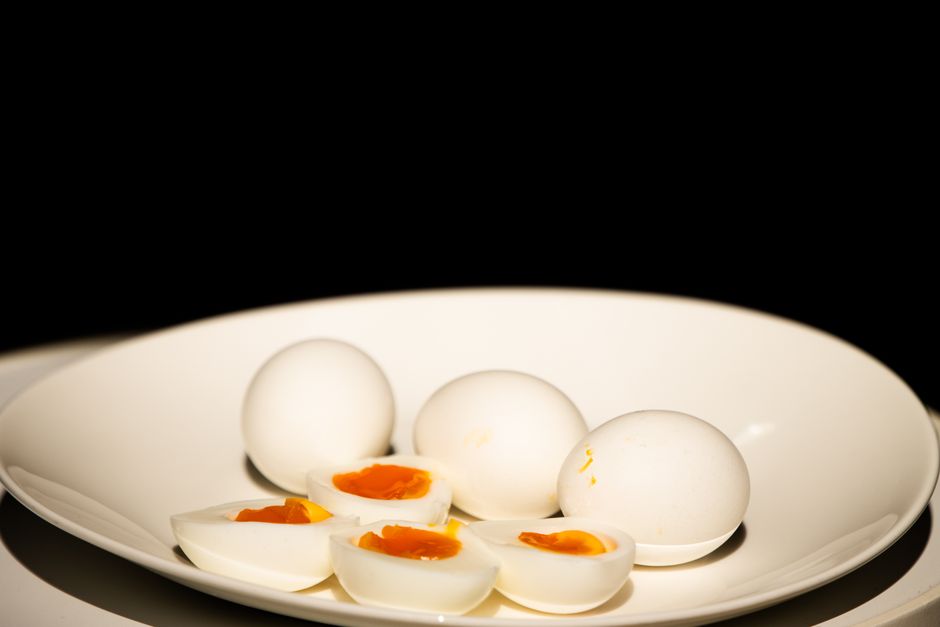
Boiled eggs are one of the simplest foods to keep on hand — and one of the easiest to store wrong. The short answer: cool them quickly after cooking, keep them in their shells in a sealed container in the refrigerator, and use them within about one week. Peeled eggs should be eaten within a few days and kept in a covered container with a little moisture.
That covers the basics. The details matter more than most people realize, because eggs are a higher-risk food when it comes to bacterial growth. How long you cooked them, how you cooled them, and whether you peeled them all change how long they stay safe to eat.
How Long Do Boiled Eggs Last in the Fridge?
Hard-boiled eggs kept in the refrigerator still in their shells last about one week. This is the figure the U.S. Department of Agriculture gives for hard-cooked eggs stored properly in the fridge.
That one-week window starts from the day you cook them, not the day you bought the eggs. The cooking process damages the egg’s natural protective coating, which is why boiled eggs do not keep nearly as long as raw ones in the shell. Raw eggs can last several weeks in the refrigerator. Boiled eggs cannot.
Peeled eggs are a different story. Once the shell is removed, the egg loses its main barrier against bacteria and moisture loss. Peeled hard-boiled eggs should be eaten within about a few days, and they need to stay in a covered container the whole time.
A few things shorten that window:
- Leaving eggs out at room temperature for more than two hours
- Cooling them slowly instead of in cold water or an ice bath
- Storing them near strong-smelling foods, since eggs absorb odors through the shell
- Cracking the shell during peeling, which opens a path for bacteria
Soft-boiled eggs are a separate case. Because the yolk is still runny, they are cooked less thoroughly and should be treated as more perishable. Eat soft-boiled eggs within a day or two, and refrigerate them promptly.
What Is the Best Way to Store Boiled Eggs?
The best method is simple: keep them in the shell, in a sealed container, on a refrigerator shelf — not in the door. The door is the warmest part of the fridge because it is opened constantly, so it is the worst place for perishable food.
You do not need to dry the eggs completely before storing them, but you should not leave them sitting in a puddle of water either. A little surface moisture in a sealed container is fine. Standing water can encourage bacterial growth over time.
Here is a storage approach that works well:
- Cool the eggs fast — cold water or an ice bath right after cooking
- Leave the shells on if you plan to keep them more than a few days
- Put them in a covered container rather than an open bowl
- Store them in the main body of the fridge, ideally toward the back
- Label the container with the date you cooked them
An unpeeled egg stored this way holds its quality and safety better than any other method. The shell plus the inner membrane underneath it form a real barrier. Once that barrier is gone, you are working with a much shorter clock.
Should You Store Boiled Eggs in Water?
Storing peeled eggs in water is a common practice, and it does help them keep for a short time. But the evidence here is limited, and it is not a method that extends shelf life much.
If you store peeled eggs in water, use clean, cold water in a covered container and change the water daily. Some cooks add a small amount of salt or a splash of vinegar, but there is no strong evidence that either meaningfully extends how long the eggs stay safe. Treat this as a short-term option — a few days at most — not a way to stretch storage to a week.
For unpeeled eggs, do not store them in water. There is no benefit, and it can soften the shell and let in unwanted moisture and odors.
One practical note that surprises people: a fresh hard-boiled egg is actually harder to peel than an older one. Eggs that are a week or two old peel more cleanly because the inner membrane has had time to separate slightly from the shell. This is a peeling issue, not a storage one, but it explains why some batches fight you and others slip right off.




How Can You Tell If a Boiled Egg Has Gone Bad?
Your senses are the main tool here, and they are reasonably reliable for eggs. Start with smell. A spoiled boiled egg has a distinct sulfurous, rotten odor that is hard to miss.
Then look at the surface. Slimy or sticky texture is a warning sign. So is any discoloration, mold, or a shell that looks or feels unusual. A rubbery, overly firm texture can also suggest an egg that is past its prime, though texture alone is not a reliable safety signal.
If an egg passes the smell and texture check but you are still unsure, the safest move is to throw it out. The cost of one egg is not worth a foodborne illness. This matters more for people who are pregnant, older adults, young children, and anyone with a weakened immune system, who are at higher risk from foodborne bacteria.
When in doubt, discard. There is no reliable home test that confirms a boiled egg is safe to eat.
Can You Freeze Boiled Eggs?
You can freeze hard-boiled eggs, but the results are poor for whole eggs. The egg white becomes rubbery and watery after thawing, and the texture does not recover. This is a well-known limitation, not a matter of technique.
If you want to freeze boiled eggs anyway, the yolk holds up better than the white. You can freeze yolks alone, and they work better mashed or used in fillings and spreads than served whole. Egg whites from boiled eggs are generally not worth freezing because the texture change is so pronounced.
A better approach if you have more boiled eggs than you can eat: turn them into egg salad, deviled eggs, or chop them into a dish you will eat within a few days. That uses them up while they are still good rather than fighting their texture after freezing.
Common Storage Mistakes to Avoid
Most boiled eggs go bad because of a few repeated errors. Avoiding them is easier than fixing them.
| Mistake | Why It Matters |
|---|---|
| Leaving eggs out for hours | Bacteria multiply fast at room temperature; the two-hour limit is a real guideline |
| Storing in the fridge door | The door is the warmest spot and fluctuates with every open |
| Peeling days ahead | Removes the protective shell and shortens shelf life to a few days |
| Keeping them past one week | Safety and quality both decline after about seven days |
| Storing next to strong odors | Eggs absorb smells through the shell and pick up off-flavors |
The two-hour rule is worth stating plainly. Perishable food left at room temperature for more than two hours should be discarded, according to standard food safety guidance. In hot conditions above 90°F, that window shrinks to one hour. This applies to boiled eggs just as it does to other perishable foods.
Cooling is the other piece people skip. Eggs straight out of boiling water hold heat for a long time. Putting them into the fridge while still hot warms the surrounding food and slows the cooling of the eggs themselves. An ice bath or a few minutes under cold running water brings the temperature down quickly, which is exactly what you want.
Frequently Asked Questions
How long do boiled eggs last in the fridge?
Hard-boiled eggs in their shells last about one week in the refrigerator when stored properly. Peeled eggs should be eaten within a few days.
Can you store boiled eggs in water?
You can store peeled eggs in clean, cold water in a covered container for a few days, changing the water daily. This does not extend storage much, and unpeeled eggs should not be stored in water.
How do you know if a boiled egg is bad?
A spoiled boiled egg usually has a strong sulfurous or rotten smell and may feel slimy. If you are unsure after checking, throw it out.
Can you freeze hard-boiled eggs?
You can freeze them, but the egg white turns rubbery and watery after thawing. Yolks freeze better than whole eggs and work best mashed into other dishes.
