
Muscle twitching is a sudden, involuntary contraction of a small group of muscle fibers. Most twitches are harmless and stop on their own within a few days. You can usually stop a twitch by resting the muscle, staying hydrated, and managing your stress levels. If the twitch persists for more than two weeks, or comes with weakness or muscle loss, you should see a doctor.
What Actually Causes Muscle Twitching?
Every muscle in your body is controlled by nerves. When a nerve fires, it tells the muscle to contract. A twitch happens when a single nerve fires on its own, without you telling it to. This is called a fasciculation.
The most common triggers are everyday things. Caffeine is a big one. It stimulates the nervous system and can make nerves hyperactive. Lack of sleep does the same thing. When you are tired, your nervous system does not regulate itself as well.
Dehydration and electrolyte imbalances are also frequent causes. Your muscles need the right balance of sodium, potassium, calcium, and magnesium to function. When those levels drop, nerves can misfire. Exercise is another trigger — especially if you push a muscle to fatigue without proper recovery.
Stress and anxiety play a real role here too. Stress hormones keep your nervous system on alert. That state of heightened alertness can cause random nerve firing throughout the body.
How Can You Stop Muscle Twitching Quickly?
If a muscle is twitching right now, the fastest approach is to gently stretch it. Stretching the affected muscle sends a signal to the nervous system to relax it. Hold a mild stretch for 30 seconds. Do not bounce or force it.
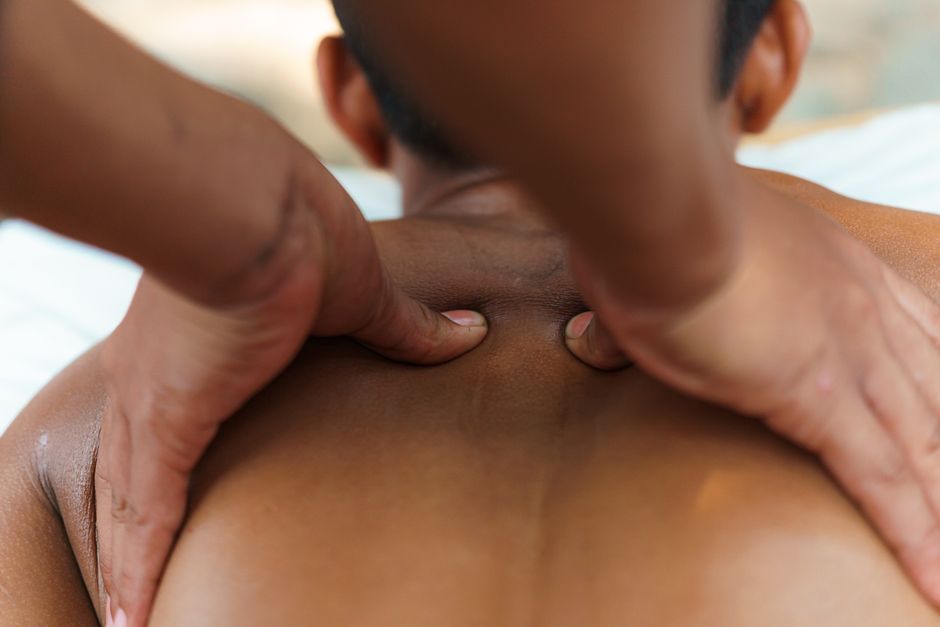
Massage can also help. Light pressure on the twitching area can interrupt the nerve signal. You can use your fingers or a massage tool. Keep the pressure firm but comfortable.
Heat is another option. A warm compress or heating pad increases blood flow to the area. That extra blood flow delivers oxygen and nutrients that help the muscle settle down. Apply heat for 10 to 15 minutes.
For twitches caused by exercise or overuse, rest is the answer. The muscle needs time to recover. Continuing to work a twitching muscle often makes it worse. Give it a day or two of reduced activity.
If caffeine is the likely culprit, stop drinking coffee, tea, or energy drinks for the rest of the day. Caffeine stays in your system for several hours. Cutting it off early gives your nervous system time to calm down.
Do You Need More Magnesium or Electrolytes?
Magnesium deficiency is a common cause of muscle twitching. Magnesium helps regulate nerve signals and muscle contractions. When levels are low, nerves can become overexcited.
Many people do not get enough magnesium from their diet. Good food sources include almonds, spinach, black beans, and pumpkin seeds. Adding these to your meals is a safe first step.
Electrolyte drinks can help if you have been sweating heavily. Heavy exercise, hot weather, or illness can deplete sodium and potassium. Sports drinks or oral rehydration solutions replace these. Coconut water is a natural option that contains potassium.
Do not start taking high-dose magnesium supplements without talking to your doctor. Excessive magnesium can cause diarrhea, low blood pressure, and irregular heartbeat. The recommended daily allowance for most adults is 310 to 420 milligrams depending on age and sex. That is achievable through food for most people.
If you are regularly low on electrolytes, consider your water intake. Drinking too much plain water can dilute your electrolytes. Balance is key. Drink when thirsty and include electrolyte sources in your diet.





When Is Muscle Twitching a Sign of Something Serious?
Most twitches are benign. But some twitches point to underlying medical conditions. Knowing the difference matters.
See a doctor if a twitch lasts longer than two weeks without stopping. Also seek medical advice if the twitch spreads to other muscles. Twitching accompanied by muscle weakness, muscle wasting, or loss of coordination is more concerning.
Certain conditions cause widespread twitching. Benign fasciculation syndrome is one. It causes persistent twitching but no muscle damage. It is uncomfortable but not dangerous.
More serious conditions affect the motor neurons — the nerves that control voluntary movement. These are rare but serious. They typically cause progressive weakness along with twitching. That combination — twitching plus weakness — is what doctors watch for most closely.
Some medications can cause twitching as a side effect. Diuretics, corticosteroids, and certain asthma medications are known culprits. If you started a new medication recently and developed twitching, mention it to your doctor.
Thyroid disorders can also cause twitching. An overactive thyroid speeds up your metabolism and can overstimulate nerves. Other symptoms include weight loss, rapid heartbeat, and feeling hot all the time.
What Lifestyle Changes Prevent Muscle Twitching Long-Term?
Prevention comes down to giving your nervous system what it needs. Sleep is foundational. Most adults need seven to nine hours per night. Chronic sleep deprivation keeps your nervous system in a state of low-grade stress. That makes twitching more likely.
Hydration should be consistent throughout the day. Do not wait until you are thirsty to drink. Thirst is already a sign of mild dehydration. Keep water accessible and sip regularly.
Limit caffeine to moderate amounts. The FDA considers 400 milligrams per day safe for most adults. That is roughly four cups of coffee. If you are twitching, consider cutting back to one cup or none.
Regular physical activity helps. Exercise strengthens muscles and improves nerve function. But avoid overtraining. Muscles need recovery days to repair. Working the same muscle group every day without rest increases twitch risk.
Stress management is not optional here. Chronic stress keeps cortisol levels elevated. That affects nerve signaling throughout your body. Regular practices like walking, meditation, or deep breathing can lower your baseline stress level.
Review your alcohol intake. Alcohol dehydrates the body and interferes with electrolyte balance. It also disrupts sleep quality. Both effects can trigger twitching.
Are There Medical Treatments for Persistent Twitching?
When twitching does not resolve with lifestyle changes, doctors have options. But treatment depends entirely on the underlying cause.
If blood tests reveal a deficiency — magnesium, potassium, or vitamin D — supplements can correct it. Your doctor will order the appropriate tests and recommend specific doses. Do not self-prescribe high doses of any supplement.
If a medication is causing the twitching, your doctor may adjust the dose or switch you to an alternative. Never stop a prescribed medication on your own. Some medications require gradual tapering.
For benign fasciculation syndrome, doctors sometimes prescribe medications that reduce nerve excitability. These are not first-line treatments. They come with side effects and are used only when twitching significantly disrupts daily life.
Physical therapy can help in some cases. A therapist can identify muscle imbalances or poor movement patterns that contribute to twitching. Correcting those patterns often reduces symptoms.
For twitching caused by neurological conditions, treatment focuses on managing the underlying disease. There is no single cure for all muscle twitching because the causes are so varied.
What Does the Evidence Say About Home Remedies?
Many home remedies circulate online. Some have evidence behind them. Others do not.
Warm baths with Epsom salts are popular. Epsom salts contain magnesium sulfate. Some claim the magnesium absorbs through the skin. Research on transdermal magnesium absorption is limited and mixed. The warm water alone may relax muscles, but the magnesium absorption is not well established.
Apple cider vinegar is sometimes recommended. There is no clinical evidence that it stops muscle twitching. It can irritate the skin if applied topically and can damage tooth enamel if consumed undiluted.
Bananas are a reasonable snack for twitching. They contain potassium and magnesium. But they are not a rapid treatment. Their effect comes from contributing to overall electrolyte balance over time.
Ice is sometimes recommended alongside heat. Cold can numb the area and reduce nerve signal transmission. Some people find it works better than heat. Try both and see which helps you.
Frequently Asked Questions
Can anxiety cause muscle twitching?
Yes, anxiety can cause muscle twitching. Stress hormones keep your nervous system on alert, which can cause nerves to fire randomly.
How long is too long for a muscle twitch?
See a doctor if a twitch lasts longer than two weeks. Persistent twitching combined with weakness or muscle loss also requires medical evaluation.
Does drinking water stop muscle twitching?
Water helps if dehydration is the cause. If you are dehydrated, drinking water and replacing electrolytes can stop the twitching within hours.
Should I take magnesium for muscle twitches?
Only if a blood test confirms you are deficient. Taking excessive magnesium can cause diarrhea and other side effects, so talk to your doctor first.
