
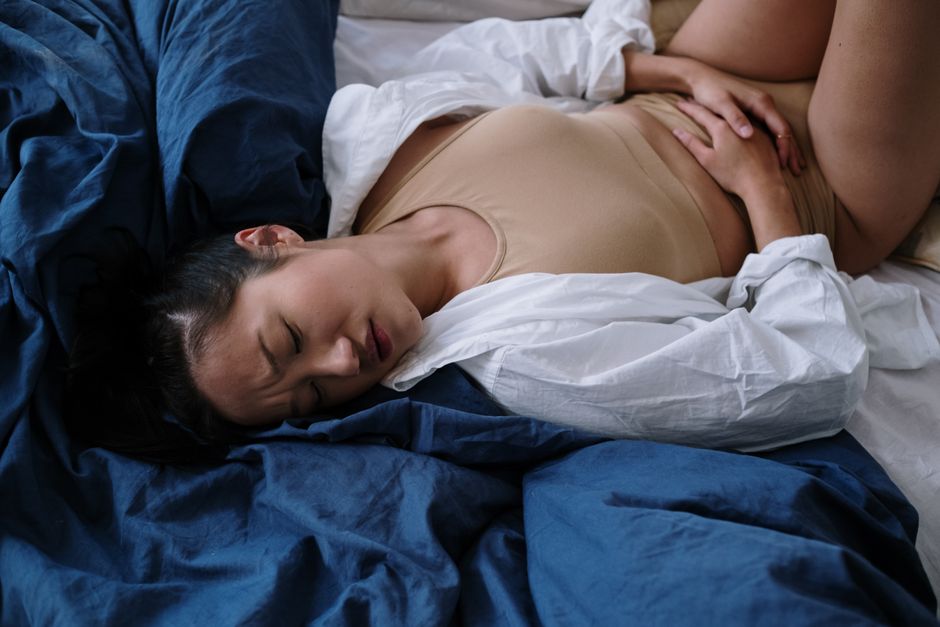
Diarrhea usually stops on its own within a day or two. The most useful thing you can do is replace the water and salts you are losing, keep eating light food as tolerated, and avoid anything that could make it worse. Most healthy adults do not need medication. The real goal is preventing dehydration while your gut recovers.
Diarrhea means loose, watery stools three or more times in a day. It is one of the most common illnesses people face, and for most adults it is uncomfortable but not dangerous. The danger comes from fluid loss, and that risk is highest for young children, older adults, and anyone who is already ill or taking certain medicines.
Below is what actually helps, what does not, and when diarrhea stops being a minor problem and becomes something you need to act on.
How Can You Stop Having Diarrhea?
The single most effective step is replacing fluids and electrolytes. Water alone is not enough when you are losing a lot of fluid, because you lose sodium and potassium along with it. An oral rehydration solution — sold as packets or ready-made drinks at pharmacies — is designed to match what your body is losing. This is the approach with the strongest evidence behind it, and it is the standard treatment worldwide for dehydration from diarrhea.
If you cannot find a rehydration solution, water plus a salty snack and a potassium-rich food such as a banana covers roughly the same ground. Sports drinks are a reasonable substitute in a pinch, though they contain more sugar and less sodium than proper rehydration solutions.
Beyond fluids, these steps help most people:
- Eat as soon as you feel able. Bland foods like rice, crackers, toast, bananas, and cooked potatoes are easy to tolerate. There is no need to starve yourself.
- Avoid dairy, fatty foods, very spicy food, alcohol, and caffeine until you feel better. These can worsen loose stools.
- Rest. Your body is working to recover.
- Wash your hands well after using the bathroom. Many cases of diarrhea are contagious.
Over-the-counter loperamide can slow diarrhea in adults. It is not appropriate for everyone. Do not take it if you have a fever or bloody stools, because in those cases slowing the gut can trap the cause inside. It should not be given to children without medical advice. If you are unsure, ask a pharmacist.
What Causes Diarrhea in the First Place?
Most short bouts are caused by a viral infection, often called viral gastroenteritis. Norovirus and rotavirus are common culprits. These spread easily through food, water, and contaminated surfaces, which is why diarrhea often runs through households and schools.
Bacterial infections from contaminated food or water are another common cause. So are parasites, though these are less common in the United States. Your body responds by pushing fluid into the intestine to flush out the irritant, and that extra fluid is what you experience as diarrhea.
Not all diarrhea is infectious. Other causes include:
- Food intolerance, such as lactose in dairy
- Side effects of antibiotics and other medicines
- Irritable bowel syndrome
- Food poisoning toxins that act quickly
Knowing the cause matters because it changes what helps. Diarrhea from a food intolerance will not respond to the same steps as diarrhea from an infection.
What Should You Eat and Avoid While You Have Diarrhea?
Eat. The old advice to stop eating until diarrhea passes is outdated and can slow recovery. Your gut needs fuel to repair itself, and food helps firm up stools.
Foods that tend to help include bananas, white rice, applesauce, toast, plain crackers, boiled potatoes, and clear broths. These are bland, low in fat, and easy on a sensitive gut. Some people find the BRAT approach helpful as a starting point, though it is not a complete diet and is meant only for short-term use.
Foods and drinks that tend to make things worse include milk and cheese, fried or greasy food, very spicy dishes, alcohol, coffee, and sugary drinks. Artificial sweeteners can also loosen stools in some people.
One practical point: do not force a strict diet. If a food sits well, eat it. If it makes things worse, set it aside for a day or two. Your own tolerance is the best guide.
When Is Diarrhea a Sign of Something Serious?
Most diarrhea clears within a couple of days. Some cases need medical attention, and knowing the warning signs matters more than any home remedy.
Seek medical care if you notice any of the following:
- Signs of dehydration: extreme thirst, dark urine or little urine, dry mouth, dizziness, or fatigue
- Blood or pus in your stool, or black stools
- A fever of 102°F (about 39°C) or higher
- Diarrhea lasting more than two days in an adult
- Severe abdominal or rectal pain
- Vomiting that prevents you from keeping fluids down
- Diarrhea after recent travel abroad or after taking antibiotics
Children and older adults need closer watching. In young children, dehydration can develop quickly. Signs include fewer wet diapers, a dry mouth, no tears when crying, and unusual sleepiness. Infants and young children with diarrhea should be seen by a doctor if symptoms are significant or not improving.
Diarrhea after antibiotics deserves a specific mention. It can be a sign of a bacterial overgrowth in the gut that needs treatment, and it should be checked if it is severe or persistent.
Can You Prevent Diarrhea From Coming Back?
Many cases are preventable, especially those caused by infection. Handwashing with soap and water is the most effective single step. It matters most after using the bathroom, before preparing food, and after caring for someone who is sick.
Food safety reduces risk too. Cook meat thoroughly, wash produce, keep raw and cooked foods separate, and refrigerate leftovers promptly. When traveling to areas where water safety is uncertain, drink bottled or boiled water and avoid ice and raw foods that may have been washed in tap water.
Antibiotic-associated diarrhea is a different story. Antibiotics disturb the normal balance of bacteria in the gut, and that imbalance can cause loose stools. Some research suggests probiotics may reduce the risk in certain situations, but the evidence is mixed and results vary by strain and by person. Probiotics are not a guaranteed prevention method, and anyone with a serious illness or a weakened immune system should talk to a doctor before using them.
Does the Type of Diarrhea Change What Helps?
Yes. The cause shapes the right response, and treating every case the same way can backfire.
Viral diarrhea usually needs fluids, rest, and time. It is contagious, so hygiene protects the people around you. Bacterial diarrhea may need antibiotics in some cases, which is why bloody stools or high fever warrant a doctor’s visit. Diarrhea from a food intolerance improves when you remove the trigger. Diarrhea from a medicine may resolve if your doctor adjusts the dose or switches drugs — never stop a prescribed medicine on your own without asking.
This is also why anti-diarrheal medicines are not right for every case. They slow the gut, which helps when the cause is irritation but can be harmful when the cause is an infection your body is trying to clear.
What About Over-the-Counter Treatments?
Loperamide is the most common anti-diarrheal sold without a prescription. It slows movement in the bowel and can reduce the number of loose stools in adults with uncomplicated diarrhea. It does not treat the cause, and it is not appropriate for everyone.
Bismuth subsalicylate is another option. It can reduce stool frequency and is sometimes used for traveler’s diarrhea. It should not be given to children or teenagers recovering from a viral illness, because of a rare but serious condition linked to salicylates in young people.
Probiotics are widely sold for diarrhea, but the evidence is uneven. Some studies suggest certain strains may shorten diarrhea from infections, while others show little benefit. Strain and dose matter, and no single product can be recommended across the board.
None of these replace fluids. If you use a medication, keep drinking and eating as tolerated.
How Long Does Diarrhea Usually Last?
Most infectious diarrhea in healthy adults improves within one to two days and resolves within a week. Viral cases often settle faster than bacterial ones. Some people have loose stools for a few days after other symptoms pass, which is usually a sign the gut is still recovering rather than a new problem.
Diarrhea that lasts beyond two days in an adult, or beyond a few days in a child, should be checked. Persistent diarrhea can point to an infection that needs treatment, a parasite, a medicine side effect, or an underlying condition such as irritable bowel syndrome or inflammatory bowel disease.
Frequently Asked Questions
What is the fastest way to stop diarrhea?
Replacing fluids and electrolytes with an oral rehydration solution is the most effective first step, along with eating bland food as tolerated. Over-the-counter loperamide can slow symptoms in adults but is not right for everyone.
Should you eat when you have diarrhea?
Yes. Eating bland, low-fat foods helps your gut recover and can firm up stools. The old advice to fast until symptoms pass is outdated.
When should you see a doctor for diarrhea?
See a doctor if diarrhea lasts more than two days in an adult, contains blood or pus, comes with a high fever, or causes signs of dehydration. Children and older adults should be checked sooner.
Does drinking water alone stop diarrhea?
Water helps, but it does not replace the sodium and potassium you lose with diarrhea. An oral rehydration solution or water with a salty snack and a banana is more effective.
