
Muscle soreness after a workout is a familiar ache. It usually peaks a day or two after exercise. This is called delayed onset muscle soreness, or DOMS. The discomfort is a normal response to unfamiliar or intense activity, especially when muscles are lengthened under load. While you cannot make the repair process happen overnight, you can reduce the discomfort and help your muscles recover comfortably.
What Causes Muscle Soreness After Exercise?
Soreness comes from microscopic damage to muscle fibers. This damage is not an injury in the harmful sense. It is a natural part of the adaptation process. When the fibers repair themselves, they grow back stronger.
This damage is most common after eccentric exercise. Eccentric movements are when a muscle lengthens while under tension. Think of the lowering phase of a bicep curl or running downhill. These actions place high stress on the muscle fibers, leading to that deep ache you feel later.
Lactic acid is not the cause. This is a common myth. Lactic acid clears from your muscles within an hour after exercise. Soreness peaks at 24 to 72 hours later. The timeline alone rules out lactic acid as the culprit.
How Can You Relieve Sore Muscles Quickly?
Gentle movement is one of the most effective ways to ease the ache. Light activity increases blood flow to the affected muscles. Better circulation delivers oxygen and nutrients that support the repair process. A short walk, a slow bike ride, or gentle stretching can provide noticeable relief.
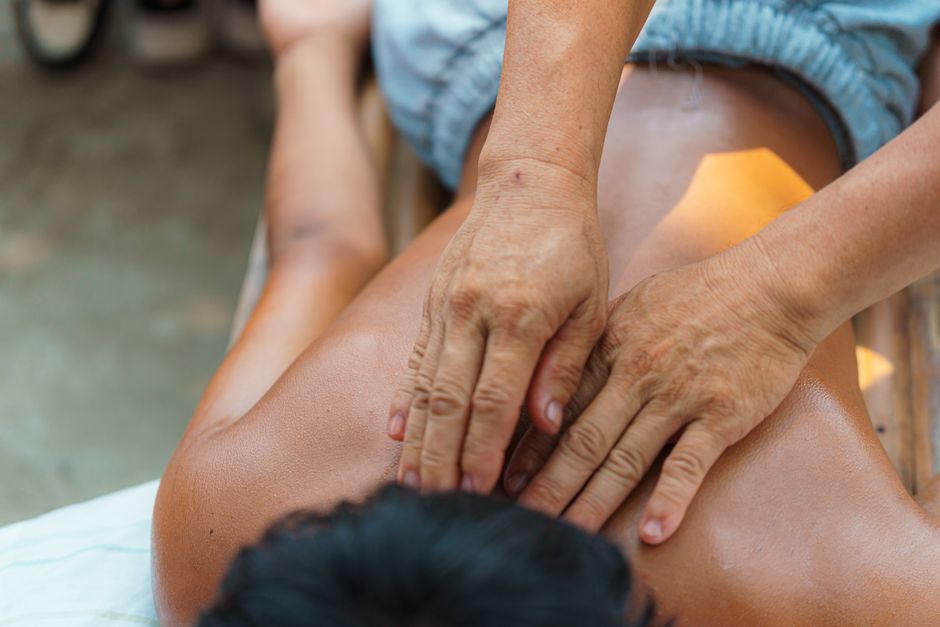
Massage is another well-supported option. Research consistently shows that massage reduces soreness and improves blood flow. Even a light or moderate pressure massage can help. You do not need a deep tissue session to get the benefit. A foam roller at home can offer a similar effect, though the evidence for foam rolling specifically is less robust than for professional massage.
Heat therapy helps relax tight muscles. A warm bath or a heating pad applied to the sore area can reduce stiffness and promote relaxation. Some studies suggest heat may be more effective than cold for DOMS. Cold therapy, like an ice bath, is better for reducing acute swelling right after an intense session, but it does not consistently reduce the soreness that develops days later.
Do Anti-Inflammatory Medications Help Sore Muscles?
Over-the-counter pain relievers like ibuprofen can reduce pain. They do not speed up recovery. In fact, some evidence suggests that suppressing inflammation may interfere with the muscle repair process. The muscle needs some inflammation to signal the repair pathways.
Use these medications sparingly. They are appropriate if the soreness is interfering with sleep or daily function. Taking them routinely after every workout is not recommended. Acetaminophen can also reduce pain, but it has no effect on inflammation or the underlying recovery process.
Topical creams with menthol or arnica may offer temporary relief. The cooling sensation can distract from the deep ache. The evidence for these products is limited, but many people find them helpful for short-term comfort.




What Should You Eat and Drink for Recovery?
Protein intake matters after exercise. Your muscles need amino acids to rebuild damaged fibers. Eating a protein-rich meal or snack within a few hours after your workout supports this process. The total daily protein intake matters more than the exact timing.
Hydration is also important. Even mild dehydration can worsen the perception of muscle pain. Drink water throughout the day, not just during your workout. If your urine is dark yellow, you likely need more fluids.
Some research suggests tart cherry juice may reduce muscle soreness. The evidence is promising but not definitive. A few small studies have shown benefit, but the effect size is modest. If you enjoy tart cherry juice, it is a reasonable addition to your routine. It is not a substitute for the fundamentals of sleep, hydration, and protein.
No supplement has been proven to eliminate muscle soreness. Products marketed as recovery boosters often lack solid clinical evidence. Stick with whole foods and basic nutrition rather than expensive powders or pills.
How Long Does Muscle Soreness Last?
Most soreness resolves within 72 hours. The timeline varies by person and by how hard the workout was. If you are new to exercise, your first sessions may cause soreness lasting up to five days. This is normal and does not indicate injury.
If soreness lasts longer than a week, or if it is severe enough to limit movement, consider other causes. You may have strained a muscle rather than experiencing normal DOMS. A strain usually causes sharp pain during activity, while DOMS is a dull ache at rest.
Watch for other warning signs. Swelling in a specific joint, bruising, or pain that worsens over time are not typical of normal soreness. If you notice these symptoms, seek medical evaluation.
Can You Prevent Muscle Soreness?
You cannot completely prevent DOMS. If you challenge your muscles with new movements or increased intensity, soreness will occur. The goal is to manage it, not eliminate it.
Gradual progression helps reduce severity. Increase your workout intensity or duration by no more than 10 percent per week. This gives your muscles time to adapt without overwhelming them.
Warming up before exercise may help. A dynamic warm-up that includes light cardio and movement-based stretches prepares the muscles for work. Static stretching before exercise does not prevent soreness. Some research even suggests it may slightly increase the risk of injury when done cold.
Cooling down after exercise is less important than the warm-up. A light cooldown feels good, but the evidence that it reduces soreness is weak. Your post-workout nutrition and hydration matter more.
When Should You See a Doctor for Muscle Pain?
Most muscle soreness does not require medical attention. You should see a doctor if the pain is severe, if it does not improve after a week, or if you have swelling in a limb. Seek immediate care if you have chest pain, difficulty breathing, or dark urine after intense exercise.
Dark urine after a hard workout can signal rhabdomyolysis. This is a rare but serious condition where muscle fibers break down and release proteins into the bloodstream. It requires urgent medical treatment. This is especially relevant if you did an extreme workout, such as hundreds of squats or push-ups, and feel unusually weak.
If soreness is accompanied by fever, redness, or warmth in one specific area, this could indicate an infection. Do not ignore these signs. They are not part of the normal recovery process.
Does Sleep Affect Muscle Recovery?
Sleep is when your body does most of its repair work. Growth hormone is released during deep sleep, and this hormone is essential for muscle recovery. Skipping sleep can prolong soreness and reduce your performance in future workouts.
Most adults need seven to nine hours of sleep per night. If you are training hard, prioritize sleep quality. Keep your bedroom cool, dark, and quiet. Avoid screens for an hour before bed. These habits support the recovery process more reliably than any supplement.
If you have trouble sleeping after intense exercise, consider the timing of your workouts. Some people find that evening exercise disrupts sleep. Others sleep better after a workout. Pay attention to your own patterns and adjust accordingly.
Frequently Asked Questions
Is it better to ice or heat sore muscles?
Heat is generally better for delayed onset muscle soreness because it relaxes tight muscles and improves blood flow. Ice is more useful for acute injuries with swelling, not for soreness that peaks days after exercise.
Should you stretch sore muscles?
Gentle stretching can feel good and may provide temporary relief, but it does not speed up recovery. Avoid aggressive stretching of sore muscles, which can increase discomfort and potentially worsen micro-damage.
Can you work out with sore muscles?
Light activity is fine and can help relieve soreness. You should avoid intense training of the same muscle group until the soreness subsides, as the muscles have not fully repaired.
Does Epsom salt bath help muscle soreness?
The magnesium in Epsom salt is poorly absorbed through the skin, so the scientific evidence for a direct effect is weak. However, a warm bath itself can relax muscles and provide comfort, which may be the real benefit.
