
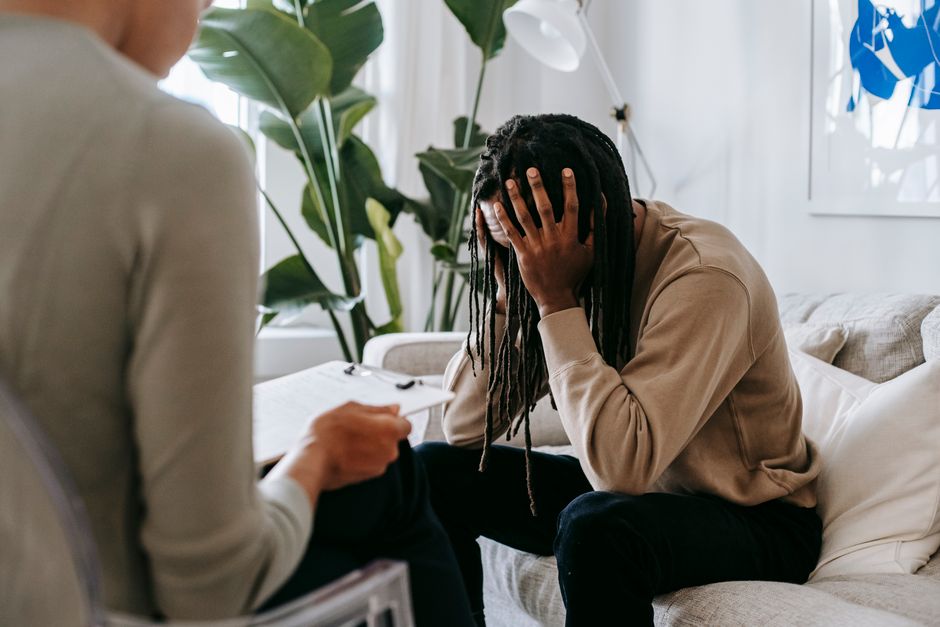
Anxiety responds to a small set of physical and mental habits that calm the body’s stress response. The most reliable natural approaches include slow breathing, regular movement, consistent sleep, limiting caffeine and alcohol, and structured practices like mindfulness or journaling. None of these replace professional care for an anxiety disorder, but they can meaningfully reduce everyday anxious feelings.
If you have ever felt your heart race before a meeting or lain awake replaying a conversation, you know anxiety is not just a thought. It is a whole-body event. That matters, because it means the relief often starts in the body too.
What Actually Happens in Your Body During Anxiety?
Anxiety is your nervous system preparing you for threat. The problem is that it fires when there is no real danger.
When your brain perceives a threat, it signals the adrenal glands to release hormones including adrenaline and cortisol. Your heart rate climbs. Breathing gets faster and shallower. Blood shifts toward your muscles. Digestion slows. This is the fight-or-flight response, and it is designed to be brief.
In ongoing anxiety, that system stays switched on. The stress response was built for short bursts, not for weeks of low-grade worry. When it stays active, you may notice muscle tension, headaches, stomach problems, trouble concentrating, and difficulty sleeping.
There is a detail here that surprises many people. Anxiety and the physical symptoms feed each other in a loop. A racing heart can convince your brain that something is wrong, which releases more adrenaline, which makes your heart race more. Breaking that loop is one reason breathing and movement work so well. You are not just calming your mind. You are talking directly to your nervous system in the language it understands.
How Does Slow Breathing Calm Anxiety?
Slow breathing is one of the fastest ways to shift your body out of a stress state. It works within minutes.
The mechanism is well established. Your heart rate naturally speeds up slightly when you breathe in and slows when you breathe out. Extending your exhale activates the vagus nerve, part of the parasympathetic nervous system that puts the brakes on arousal. A longer exhale means more braking.
A simple approach is to breathe in through your nose for a count of four, then out for a count of six to eight. The exact numbers matter less than the pattern. The exhale should be longer than the inhale. Even a few minutes can lower your heart rate and ease that tight feeling in your chest.
This is not a cure for an anxiety disorder. It is a tool for the moment, and a good one. Practicing when you are calm makes it easier to use when you are not.
Can Exercise Reduce Anxiety?
Regular physical activity is one of the most consistent natural approaches for anxiety. The evidence here is strong.
Movement lowers levels of stress hormones and triggers the release of endorphins and other brain chemicals tied to mood and calm. It also burns off the physical energy that anxiety produces, which is part of why a walk can feel so settling.
You do not need intense workouts. Moderate activity like brisk walking, cycling, swimming, or dancing most days of the week is enough to make a difference. Some research suggests that even short bouts of movement can ease anxious feelings in the moment.
One clarification worth making: exercise is not a substitute for treatment if you have a diagnosed anxiety disorder. It is a support, not a replacement. But for everyday worry, it is one of the most dependable tools available.
Do Sleep and Diet Affect Anxiety?
Sleep and diet shape how vulnerable you are to anxiety. Poor sleep makes the stress response more reactive, and it can turn a small worry into an overwhelming one.
When you are short on sleep, the part of your brain that manages fear and emotion works less effectively. Even one rough night can make you feel more on edge. Aiming for a consistent sleep schedule, limiting screens before bed, and keeping your room cool and dark all support better rest.
What you eat and drink matters too. Caffeine is a common trigger. It raises heart rate and can mimic or worsen anxiety symptoms, sometimes for hours. If you are prone to anxiety, cutting back on coffee, energy drinks, and strong tea is often one of the first things worth trying.
Alcohol is trickier than it looks. A drink may feel calming at first, but alcohol disrupts sleep and can increase anxiety the next day as it wears off. Over time, regular drinking tends to make anxiety worse, not better.
Blood sugar swings can also play a role. Skipping meals or relying on sugary snacks can leave you shaky and irritable, which anxiety easily latches onto. Steady meals with protein, fiber, and healthy fats help keep things level.
Can Mindfulness and Journaling Help With Anxiety?
Mindfulness and journaling help by changing your relationship with anxious thoughts rather than trying to erase them.
Mindfulness means paying attention to the present moment without judging it. When you notice a worried thought and simply observe it, you interrupt the spiral where one thought triggers ten more. Research on mindfulness-based approaches shows it can reduce anxiety symptoms, though effects vary from person to person.
Journaling works differently. Writing worries down gets them out of your head and onto paper, where they often look smaller. Some people find it helpful to set a short “worry time” each day, writing down concerns and then closing the notebook. Others prefer writing down three things that went well, which nudges attention away from threat.
Neither practice is instant. Both tend to work better with regular use over weeks rather than days.
What Lifestyle Changes Make the Biggest Difference?
The habits that help most are the unglamorous ones, done consistently. No single change does everything, but together they lower your baseline level of arousal.
- Move your body most days, even if it is just a walk.
- Keep a consistent sleep and wake time.
- Cut back on caffeine and notice how you feel.
- Limit alcohol, especially in the evening.
- Eat regular meals to avoid blood sugar dips.
- Build in short breathing or mindfulness breaks.
- Stay connected with people you trust.
Connection deserves a mention. Loneliness and isolation tend to amplify anxiety, while time with supportive people can settle the nervous system. This is not just a feeling. Social contact affects the same stress pathways that breathing and exercise do.
One more point. These habits support each other. Better sleep makes exercise easier. Exercise improves mood, which makes it easier to reach out to a friend. Start with one and let it pull the others along.
When Should You Seek Professional Help?
Natural approaches have limits, and knowing where they are matters. If anxiety is interfering with work, relationships, sleep, or daily life, it is time to talk to a professional.
Warning signs worth taking seriously include anxiety that lasts most days for weeks, panic attacks, avoiding situations you used to handle, and physical symptoms that do not ease with rest. If you have thoughts of harming yourself, seek help right away.
Effective treatments exist. Talk therapy, particularly cognitive behavioral therapy, has strong evidence for anxiety disorders. Medications can also help, and a doctor or licensed mental health provider can help you weigh the options. Asking for help is not a sign of weakness. It is the same logic as seeing a doctor for a broken bone.
Natural strategies and professional care are not competing ideas. Many people use both, and the habits above often make treatment work better.
Frequently Asked Questions
What is the fastest natural way to calm anxiety?
Slow breathing with a longer exhale than inhale can ease physical symptoms within a few minutes. It works by activating the parasympathetic nervous system, which slows your heart rate.
Can anxiety go away without medication?
For everyday anxiety, lifestyle changes like exercise, sleep, and limiting caffeine often help a great deal. For a diagnosed anxiety disorder, some people improve with therapy alone, while others benefit from medication, so it is worth discussing with a professional.
Does caffeine make anxiety worse?
Yes, caffeine can raise heart rate and trigger or worsen anxiety symptoms in many people. If you are prone to anxiety, reducing coffee, energy drinks, and strong tea is often one of the first changes worth trying.
How long does it take for exercise to reduce anxiety?
Some people notice a calmer mood within minutes of moderate activity, though lasting benefits build over weeks of regular movement. Consistency matters more than intensity.
