
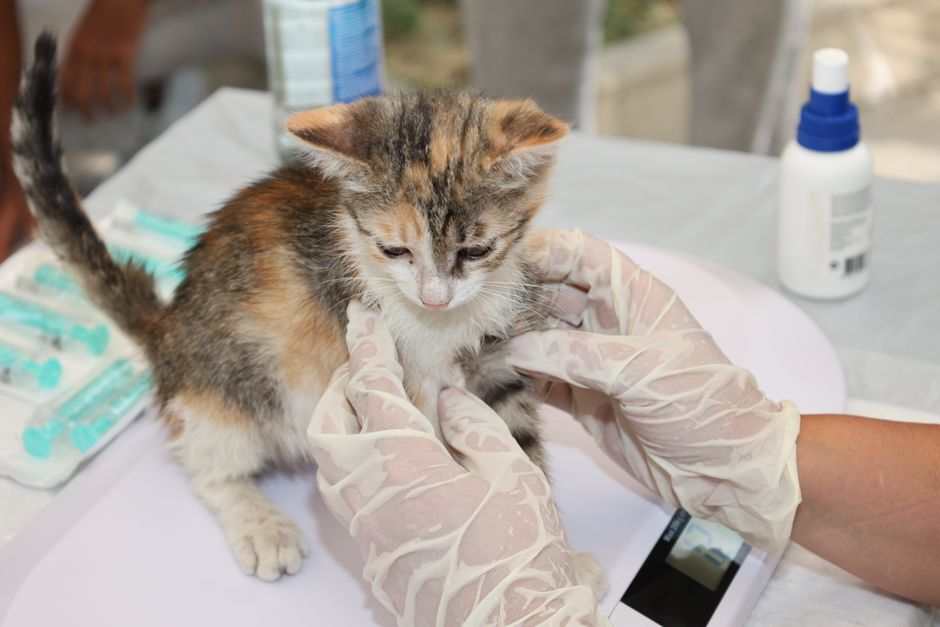
Finding fleas on a tiny kitten is stressful. You want to help fast, but you also know a kitten’s body is small and fragile. The safest approach depends heavily on the kitten’s age and weight. For kittens under eight weeks old, the only safe method is manual removal with a flea comb and warm water. For older kittens, certain topical treatments approved for their specific weight are available, but you must never use a product meant for adult cats or dogs. Never use over-the-counter flea collars, shampoos, or sprays on a kitten without a veterinarian’s explicit approval, as many contain ingredients that can be toxic to young animals.
Why Is Flea Treatment on Kittens So Dangerous?
Kittens are not small adult cats. Their livers are still developing, which means they cannot process many chemicals that adult cats handle easily. The enzymes that break down medications are not fully active until a kitten is around eight to ten weeks old.
This makes them highly vulnerable to insecticide toxicity. A dose that is safe for a ten-pound adult cat can cause seizures, tremors, or even death in a one-pound kitten. This is why the age and weight of the kitten are the single most important factors in deciding how to treat fleas.
Another major risk comes from products made for dogs. Many dog flea treatments contain permethrin, which is highly toxic to cats. Even a tiny drop of a dog-specific product can be fatal to a kitten. Always read labels carefully and confirm the product is specifically formulated for cats and matches the kitten’s exact weight range.
How Can You Get Rid Of Fleas On A Kitten Under Eight Weeks Old?
If the kitten is younger than eight weeks, chemical treatments are generally off the table. No clinical guidelines support the use of topical insecticides in this age group. The most effective and safest method is manual removal.
This process requires patience. You will need a fine-toothed flea comb, a bowl of warm soapy water, and a towel. Comb the kitten from head to tail, paying close attention to the neck, behind the ears, and the base of the tail. Fleas often gather in these warm, protected areas.
When you catch a flea on the comb, immediately dip the comb into the soapy water. The soap breaks the surface tension of the water, causing the flea to sink and drown. Do not try to crush fleas between your fingers, as they can jump away. Continue combing for at least ten to fifteen minutes daily.
You will not get every flea in one session. Flea eggs and pupae are not removed by combing. You must repeat this process every day for at least two weeks to catch newly hatched fleas before they can lay more eggs.
Bathing a kitten under eight weeks old is risky. Kittens cannot regulate their body temperature well, and getting them wet can lead to chilling. If you must bathe the kitten, use only warm water and a very small amount of a gentle, kitten-safe dish soap like Dawn. Keep the bath short, dry the kitten thoroughly with warm towels immediately, and never let the kitten sit in cold water. This method is a rescue measure, not a routine treatment.
What Treatments Are Safe for Kittens Over Eight Weeks Old?
Once a kitten reaches eight weeks of age and weighs at least two pounds, several safe options become available. These are typically topical spot-on treatments applied to the back of the neck where the kitten cannot lick them.
Two active ingredients are commonly used and considered safe for kittens in this age group: selamectin and fipronil. These are found in products like Revolution and Frontline. These products are prescription or veterinary-recommended, and you should always confirm the exact dosage with a veterinarian before applying.
These treatments work by spreading through the oil glands of the skin. They kill fleas on contact, not through the bloodstream. This means the flea must bite the kitten to be affected, which can take several hours. Do not expect immediate results. It is normal to see fleas for up to 24 to 48 hours after applying a topical treatment.
Oral medications are generally not recommended for kittens under a certain weight. Most oral flea pills are designed for cats weighing at least four to six pounds. Giving an oral medication to a small kitten risks overdose, and there is no reliable way to split these doses safely.





How Do You Treat the Home Environment?
Treating the kitten is only half the battle. Fleas spend most of their life off the animal. Adult fleas lay eggs that fall into carpets, bedding, and furniture. These eggs hatch into larvae, which then develop into pupae. This cycle can continue for months if the environment is not treated.
Start with a thorough vacuuming of all carpets, rugs, and upholstered furniture. Vacuum daily for at least a week. Pay special attention to areas where the kitten sleeps and plays. The heat and vibration from the vacuum stimulate fleas to emerge from their pupal stage, making them easier to kill.
Wash all kitten bedding, blankets, and soft toys in hot, soapy water. The water temperature must be high enough to kill fleas and eggs. If an item cannot be washed, place it in a sealed plastic bag for several days to break the flea life cycle.
For severe infestations, environmental sprays may be necessary. Look for products containing an insect growth regulator (IGR) like pyriproxyfen or methoprene. These prevent flea larvae from developing into adults. However, you must keep the kitten away from treated areas until the spray has completely dried. Always follow the label instructions exactly regarding pet re-entry times.
There is no strong evidence that natural remedies like diatomaceous earth or essential oils are effective or safe for kittens. Diatomaceous earth can cause respiratory irritation if inhaled, and essential oils like tea tree or eucalyptus are toxic to cats. Do not use these on or around a kitten.
How Do You Check for Anemia or Other Complications?
Fleas feed on blood. A heavy infestation can cause significant blood loss in a tiny kitten, leading to anemia. This is a serious medical condition that requires immediate veterinary care.
Signs of flea anemia include pale gums, lethargy, weakness, and a reduced appetite. If you notice any of these symptoms, stop home treatment and take the kitten to a veterinarian right away. Anemia in kittens can progress quickly and can be fatal if untreated.
Fleas can also transmit tapeworms. If the kitten ingests a flea while grooming, it can develop an intestinal tapeworm infection. You may see small, rice-like segments near the kitten’s rear end or in its stool. This requires a deworming medication prescribed by a veterinarian.
Do not assume a kitten is healthy just because you can no longer see fleas. Continue monitoring for several weeks after treatment. If the kitten seems lethargic, stops eating, or shows any signs of distress, seek professional veterinary advice immediately.
When Should You See a Veterinarian?
You should contact a veterinarian before applying any flea treatment to a kitten under eight weeks old. You should also consult a vet if the kitten weighs less than two pounds, is sick, or has a heavy flea burden. A vet can provide appropriate advice and may administer a safe treatment in the clinic.
Do not wait to see if the problem resolves on its own. Fleas multiply rapidly, and a kitten’s condition can deteriorate quickly. If you are unsure about the kitten’s age, weight, or health status, a veterinary visit is the safest course of action. The cost of a visit is far less than the cost of treating a poisoned or anemic kitten.
If the kitten is older than eight weeks and healthy, you can attempt treatment at home, but you should still confirm the product choice and dosage with a vet. This is especially important if you have multiple pets, as some products used on one animal can be harmful to another.
Frequently Asked Questions
Can I use a flea collar on a kitten?
No. Flea collars are not safe for kittens and can cause chemical burns or toxicity. Avoid them entirely.
How often should I comb a kitten for fleas?
You should comb the kitten daily for at least two weeks. This breaks the flea life cycle by removing adult fleas before they can lay eggs.
Is Dawn dish soap safe for bathing a kitten?
Dawn is sometimes used in emergencies to kill fleas, but it is harsh and strips natural oils. Use it only under a vet’s guidance and rinse thoroughly.
Can fleas from a kitten spread to humans?
Cat fleas prefer cats but can bite humans. They do not live on humans, but they can cause itchy bites, usually around the ankles.
