
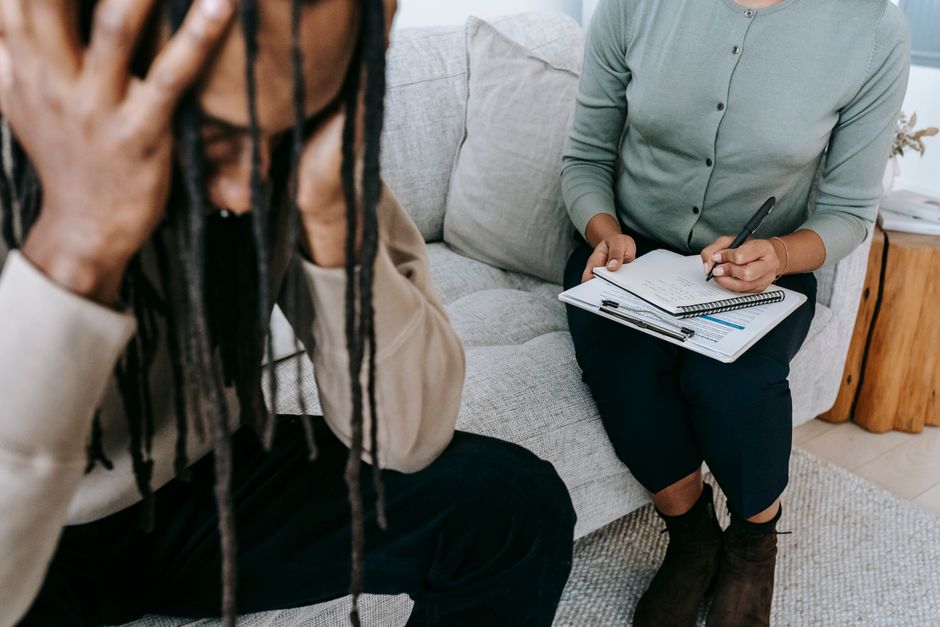
Anxiety is not a sign of weakness. It is a normal human response that becomes a problem when it fires too often, too intensely, or in situations that are not actually dangerous. People get over anxiety through a mix of proven treatments, daily habits that calm the nervous system, and time. There is no single switch, but there are well-established paths forward. For many people, the combination of therapy and steady lifestyle changes makes a real difference.
What Actually Happens in Your Body When You Feel Anxious?
Anxiety is a stress response run by your nervous system. When your brain senses a threat, it triggers a chain of events that prepares your body to react. Your heart beats faster, your breathing quickens, and your muscles tense. This is the fight-or-flight response, and it is built into human biology.
The problem is that this system cannot always tell the difference between a real threat and a worry. A looming deadline or a racing thought can trigger the same physical reaction as a physical danger. Your body floods with stress hormones like adrenaline and cortisol, even when nothing in the room is actually threatening.
That is why anxiety feels so physical. A pounding heart, sweaty palms, a tight chest, and a churning stomach are not imagined. They are real physiological events. Understanding this helps because it reframes anxiety: your body is doing what it evolved to do, just at the wrong time.
One useful point that many people miss: anxiety and fear are not the same. Fear is a response to something happening now. Anxiety is a response to something that might happen. That forward-looking quality is what makes anxiety so persistent. Your mind keeps rehearsing a future that has not arrived.
How Can You Get Over Anxiety Without Medication?
Many people improve their anxiety without medication, though the evidence is strongest for structured approaches rather than general lifestyle advice alone. Therapy is the most well-supported non-drug treatment. Specifically, cognitive behavioral therapy (CBT) has a large body of research behind it for anxiety disorders. It teaches people to notice unhelpful thought patterns and change how they respond to them.
Beyond therapy, several habits have reasonable evidence for helping manage anxiety symptoms:
- Regular physical activity. Exercise has been studied as a way to reduce anxiety symptoms. The effect is generally modest but real, and the general health benefits are well established.
- Sleep. Poor sleep and anxiety feed each other. Protecting a consistent sleep schedule is one of the most practical steps a person can take.
- Limiting caffeine and alcohol. Both can mimic or worsen the physical sensations of anxiety, such as a racing heart and restlessness.
- Slow breathing. Deliberately slowing your breath can calm the physical stress response in the moment. It is a tool for managing a spike, not a cure for an anxiety disorder.
- Reducing avoidance. Avoiding the things that make you anxious brings short-term relief but tends to make anxiety grow over time. Facing feared situations gradually, ideally with professional guidance, is a core part of many treatments.
It is worth being honest about what these habits can and cannot do. Lifestyle changes support recovery. For moderate to severe anxiety, they are usually not enough on their own, and that is not a personal failure.
When Should You Seek Professional Help for Anxiety?
You should consider professional help when anxiety starts to interfere with your daily life. That means it affects your work, your relationships, your sleep, or your ability to do things you used to do easily. It also applies when worry feels constant and hard to control, or when physical symptoms like a racing heart happen without a clear trigger.
There is no blood test for anxiety. A doctor or mental health professional makes a diagnosis by talking with you about your symptoms, how long they have lasted, and how much they affect your life. They will also check for other conditions that can cause similar symptoms, such as thyroid problems or the effects of certain medications or substances.
Seek help sooner if you have thoughts of harming yourself. That is a medical emergency. In the US, you can call or text 988 to reach the Suicide and Crisis Lifeline at any time.
Reaching out is not an overreaction. Anxiety disorders are among the most common mental health conditions, and they are treatable. Getting help early often makes the process easier.
What Treatments Are Used for Anxiety?
Treatment for anxiety generally falls into two main categories: therapy and medication. Many people use both. Which approach fits depends on the type of anxiety, how severe it is, and personal preference.
Cognitive behavioral therapy is the most studied form of talk therapy for anxiety, and other approaches such as exposure therapy are also well supported for specific anxiety conditions. Therapy helps people understand their anxiety patterns and build skills to manage them over time.
Medications can reduce symptoms, and several classes are used in clinical practice. These include certain antidepressants and, for some people, anti-anxiety medicines used short term. These are decisions to make with a doctor or psychiatrist, who can weigh benefits and risks for your situation. No one should start or stop a medication for anxiety without medical guidance.
A useful distinction: therapy and medication both have evidence for anxiety, but they work differently. Medication can ease symptoms while therapy teaches skills you keep after treatment ends. Some people do well with either alone. Others do best with both.
Do Home Remedies and Supplements Help Anxiety?
The evidence for most supplements marketed for anxiety is limited. Some small studies exist for certain products, but large, high-quality human trials are often missing. That does not mean everything on the shelf is useless, but it does mean the claims are often ahead of the science.
Several herbal and natural products are commonly sold for anxiety. For most of them, the research is mixed or preliminary. No clinical evidence currently confirms that any supplement reliably treats an anxiety disorder. Supplements are also not risk-free. They can interact with medications and cause side effects. Talk with a doctor or pharmacist before starting one, especially if you take other medicines.
Where the evidence is stronger is in basic habits: regular movement, adequate sleep, a balanced diet, and cutting back on stimulants. These are not exciting, but they are backed by a broad base of research on general health and stress.
One clarification worth making: a product being “natural” says nothing about whether it works or whether it is safe. That label is a marketing term, not a medical one.
How Long Does It Take to Get Over Anxiety?
There is no fixed timeline. Some people notice improvement within weeks of starting therapy, while others need months. Recovery is usually gradual, with good days and setbacks along the way.
Setbacks are not failures. Anxiety often improves in waves, and a hard week after a good stretch is common. What matters is the broader direction over time. Many people find that anxiety becomes more manageable rather than disappearing completely. Learning to respond to anxiety differently is itself a form of progress.
Being patient with the process helps, but patience is not the same as waiting endlessly. If you have been working on anxiety for a while and see no change, that is a good reason to talk with a professional about adjusting your approach.
What Daily Habits Help Keep Anxiety Manageable?
Steady routines support a calmer nervous system. None of these habits works overnight, and none is a cure on its own. Together, they create conditions where anxiety is easier to manage.
- Move your body regularly. Even a daily walk counts. Consistency matters more than intensity.
- Protect your sleep. Try to go to bed and wake up at roughly the same time each day.
- Watch stimulants. Coffee, energy drinks, and nicotine can all raise your heart rate and mimic anxiety.
- Build in pauses. A few minutes of slow breathing or quiet time can lower the physical stress response.
- Stay connected. Time with people you trust is a genuine buffer against stress.
- Notice avoidance. When you catch yourself dodging something because of anxiety, look for small, manageable ways to face it.
These habits work best as a foundation, not a replacement for treatment when treatment is needed.
Frequently Asked Questions
Can you get over anxiety on your own?
Some people manage mild anxiety with lifestyle changes and self-help strategies. For anxiety that interferes with daily life, professional support is usually more effective and is worth considering.
What is the fastest way to calm anxiety?
Slow, deliberate breathing can ease the physical stress response within minutes. It helps with a spike but does not treat an underlying anxiety disorder.
Is anxiety a lifelong condition?
Not necessarily. Many people improve significantly with treatment, though some find anxiety returns during stressful periods. Ongoing coping skills often make it more manageable over time.
Does exercise really help with anxiety?
Research generally supports exercise as a modest but real way to reduce anxiety symptoms. It works best as part of a broader approach that may include therapy.
