

Your blood is almost always carrying as much oxygen as it can. In healthy people at rest, hemoglobin — the protein in red blood cells — is about 95% to 100% saturated with oxygen. That means the real question is not how to cram more oxygen into your blood. It is how to help your body move that oxygen to the tissues that need it, and how to tell when something is actually limiting that process.
For most people, the answer is simple: breathe normally, keep your lungs and heart healthy, and treat any underlying condition that interferes with oxygen delivery. Supplemental oxygen helps when a specific medical problem lowers your blood oxygen. It does not boost performance or health in people whose levels are already normal.
How Does Oxygen Actually Get Into Your Blood?
Oxygen enters through your nose and mouth, travels down your windpipe, and reaches tiny air sacs in your lungs called alveoli. There are hundreds of millions of them. Each one is wrapped in a fine mesh of capillaries, and the wall between air and blood is extremely thin.
Here is where the exchange happens. Oxygen moves from the air in the alveoli into the blood by diffusion — it flows from higher concentration to lower concentration. At the same time, carbon dioxide moves the other way, from blood into the air you exhale.
Once oxygen is in the blood, most of it attaches to hemoglobin inside red blood cells. A small amount dissolves directly in the plasma. The heart then pumps this oxygen-rich blood out to every tissue in the body.
Two things have to work for this system to deliver oxygen properly: your lungs have to load it, and your circulation has to carry it. Problems in either half can reduce oxygen delivery even when your breathing feels normal.
Can You Increase Your Blood Oxygen by Breathing Differently?
No. If your blood oxygen is already normal, changing how you breathe will not raise it. This is one of the most persistent myths in wellness content.
Hemoglobin can only hold so much oxygen. Once it is nearly saturated, extra air in your lungs does not add more. Deep breathing, slow breathing, and breathing exercises can affect how you feel — they can reduce anxiety symptoms and help you relax — but they do not increase oxygen saturation in healthy people.
In fact, deliberately over-breathing for a long time can lower carbon dioxide in your blood, which causes dizziness, tingling in the hands and feet, and sometimes fainting. That is why breathing into a paper bag was once used for hyperventilation — the goal was to restore carbon dioxide, not add oxygen.
Breathing exercises still have real value. They can improve how efficiently your breathing muscles work and help people with conditions like COPD manage breathlessness. But that is a different benefit than raising blood oxygen.
What Actually Lowers Blood Oxygen?
Low blood oxygen, called hypoxemia, has specific causes. It is not something that happens because you skipped a breathing exercise.
- Lung conditions: COPD, asthma attacks, pneumonia, pulmonary fibrosis, and COVID-19 can all interfere with gas exchange in the alveoli.
- Heart problems: Some heart defects let oxygen-poor blood bypass the lungs and mix with oxygen-rich blood.
- Sleep apnea: Repeated pauses in breathing during sleep cause repeated drops in oxygen.
- High altitude: At elevation, there is less oxygen in every breath you take. This is environmental, not a health problem.
- Anemia: Hemoglobin carries oxygen, so low hemoglobin means less oxygen-carrying capacity even if your lungs work perfectly.
- Blood flow problems: A blocked artery or poor circulation can starve a tissue of oxygen even when blood oxygen levels are normal.
Notice that anemia is a different problem from hypoxemia. In anemia, oxygen saturation may read normal on a pulse oximeter, yet less oxygen reaches tissues because there is not enough hemoglobin to carry it. That distinction matters and is often missed.


When Does Supplemental Oxygen Help?
Supplemental oxygen helps people whose blood oxygen is genuinely low. It is a treatment for a medical problem, not a general health booster.
Doctors prescribe oxygen therapy for conditions like severe COPD, pulmonary fibrosis, and other lung diseases that cause chronic hypoxemia. In these cases, oxygen therapy has been shown to improve survival in people with severely low resting oxygen levels.
For people whose oxygen levels are only mildly low, or low only during activity, the evidence is less clear. Some studies suggest oxygen may help with breathlessness in certain situations, but results vary. The benefit is not automatic.
What about oxygen bars, canned oxygen, and oxygen-infused drinks? There is no clinical evidence that these raise blood oxygen in healthy people, and no evidence they provide any health benefit. Your hemoglobin is already full.
How Can You Support Healthy Oxygen Delivery?
The most effective steps are the ones that keep your lungs, heart, and blood working well. None of them are dramatic, and none of them involve special breathing gadgets.
Do not smoke. Smoking damages alveoli, narrows airways, and reduces the blood’s ability to carry oxygen. This is one of the most well-established facts in respiratory medicine.
Stay physically active. Regular aerobic exercise strengthens your heart and improves how efficiently your muscles use oxygen. It does not raise your resting oxygen saturation, but it improves the entire delivery system.
Manage chronic conditions. If you have asthma, COPD, heart disease, or sleep apnea, following your treatment plan is the single most important thing you can do for oxygen delivery.
Treat anemia if you have it. Iron deficiency anemia is common and treatable. If you are tired and short of breath, a simple blood test can check your hemoglobin and iron levels.
Consider altitude if you travel. At high elevation, oxygen saturation drops naturally. Most healthy people adapt within days. People with lung or heart disease should talk to a doctor before traveling to high altitude.
What About Diet and Supplements?
No food or supplement increases the oxygen content of your blood in a healthy person. This is worth stating plainly because the market for “oxygen-boosting” products is large and largely unsupported.
That said, certain nutrients are needed for normal oxygen transport. Iron is a core part of hemoglobin. Vitamin B12 and folate are needed to make healthy red blood cells. If you are deficient in any of these, correcting the deficiency can improve your blood’s oxygen-carrying capacity.
But if your levels are already normal, taking more will not help. More iron does not mean more oxygen. In fact, too much iron can be harmful. Iron supplements should only be taken when a doctor confirms a deficiency.
Beets, beet juice, and nitrate-rich vegetables have been studied for their effects on blood flow and exercise performance. Some research suggests dietary nitrates can improve blood flow to muscles and slightly improve exercise efficiency in some people. This is not the same as raising blood oxygen, and the effects are modest. The evidence is interesting but not settled.
When Should You Be Concerned About Low Oxygen?
See a doctor if you have shortness of breath that is new, worsening, or happens at rest. Other warning signs include bluish lips or fingertips, confusion, chest pain, and a pulse oximeter reading that stays low.
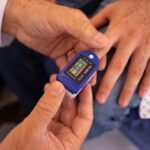
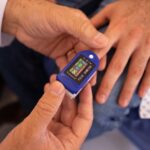
A pulse oximeter clips onto your finger and estimates oxygen saturation. It is a useful tool, but it has limits. Nail polish, cold hands, poor circulation, and motion can all affect the reading. A single low number is not a diagnosis.
If you have a chronic lung condition and your doctor has given you a target oxygen range, follow that guidance. Do not adjust oxygen flow on your own. In some people with COPD, too much supplemental oxygen can reduce the drive to breathe and raise carbon dioxide levels. This is a real risk and one reason oxygen therapy is prescribed and monitored by clinicians.
Frequently Asked Questions
Can I increase my blood oxygen by breathing deeply?
No. In healthy people, hemoglobin is already 95% to 100% saturated, so deep breathing cannot raise it further. Breathing exercises can help you feel calmer and improve breathing muscle function, but they do not increase oxygen saturation.
Does exercise increase oxygen in your blood?
Exercise does not raise resting oxygen saturation in healthy people. It does improve how efficiently your heart, lungs, and muscles use oxygen over time, which supports the whole delivery system.
Do oxygen bars or canned oxygen work?
There is no clinical evidence that they raise blood oxygen in healthy people or provide any health benefit. If your oxygen level is genuinely low, you need medical evaluation and prescribed oxygen therapy, not a retail product.
What foods increase blood oxygen?
No food directly increases blood oxygen in a healthy person. Iron, vitamin B12, and folate are needed to make healthy red blood cells, so correcting a deficiency in any of these can improve oxygen-carrying capacity.
