
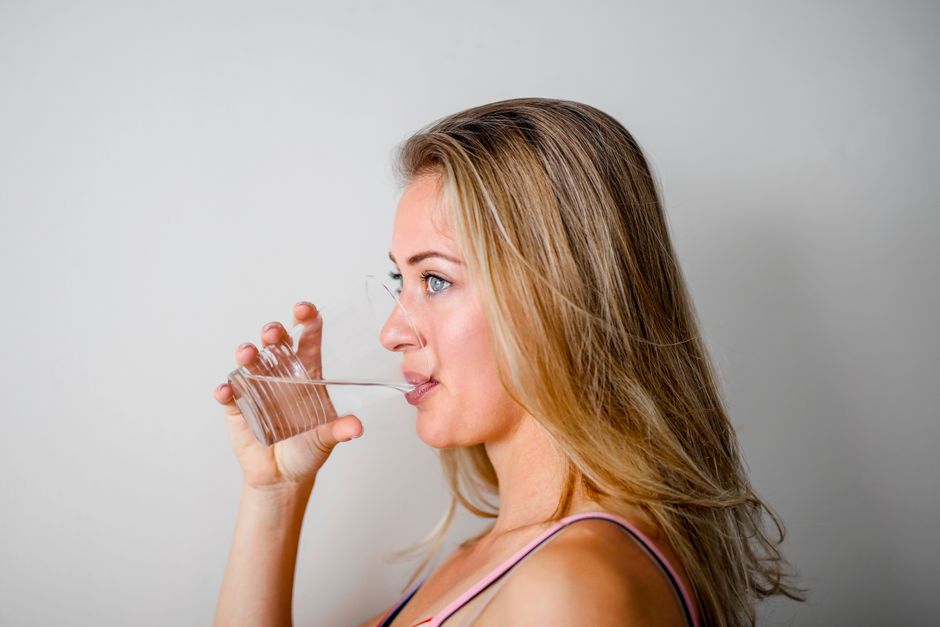
Clean drinking water is something most Americans expect when they turn on the tap. The question of how we can improve water quality at home and beyond has two honest answers: at home, you can filter, test, and store water more carefully; beyond your home, improvement depends on source protection, aging infrastructure, and public systems that individuals cannot fix alone. Both matter, and understanding where your water comes from is the first real step.
Where Does Your Tap Water Actually Come From?
Most Americans get water from a public system. A smaller share — roughly one in eight households, according to U.S. Geological Survey estimates — relies on private wells. That distinction matters because the rules, testing responsibilities, and risks are different.
Public water systems in the U.S. are regulated under the Safe Drinking Water Act. The Environmental Protection Agency sets legal limits for more than 90 contaminants, and utilities must test regularly and publish results in an annual Consumer Confidence Report. You can request yours from your water supplier or find it online.
Private wells are not regulated by the EPA. If you own a well, the responsibility for testing and treatment is entirely yours. The CDC recommends testing private wells at least once a year for bacteria, nitrates, and pH, and more often if you notice changes in taste, color, or smell.
Water travels through pipes, treatment plants, storage tanks, and the service lines under your street before it reaches your kitchen. Contamination can enter at any point along that path — not just at the source.
What Contaminants Should You Actually Worry About?
Not every contaminant in water is a health threat at the levels found. But some are worth understanding.
Lead is the one most people should take seriously. It usually enters water not from the source but from old pipes and plumbing fixtures, especially in homes built before 1986. There is no safe blood lead level in children, according to the CDC. If your home was built before that year, or if you live in an area with known lead service lines, testing your water is worthwhile.
Nitrates come mainly from fertilizer and agricultural runoff. They are a particular concern for infants under six months, where high levels can cause a condition called methemoglobinemia. The EPA limit for nitrate in drinking water is 10 mg/L.
Disinfection byproducts form when chlorine or chloramine reacts with organic matter in water. They are regulated, and utilities work to keep them below legal limits. Long-term exposure at high levels has been linked to some health concerns, but the evidence at typical household levels is not clear-cut.
PFAS — per- and polyfluoroalkyl substances — are a newer area of concern. These chemicals have been used in firefighting foam, nonstick coatings, and food packaging. Some PFAS persist in the environment and the human body. The EPA has moved to regulate certain PFAS in drinking water, and the science on health effects is still developing. If you live near a military base, airport, or industrial site, your local water authority may have specific information.
Microorganisms like bacteria, viruses, and parasites are largely controlled by public treatment. Private wells and older plumbing can still harbor them. Boil-water advisories exist precisely because treatment failures happen.
How Do You Test Your Water at Home?
Testing is the only way to know what is in your water. Guessing based on taste or appearance does not work — many contaminants have no smell, color, or taste.
For private wells, the CDC and state health departments recommend annual testing for total coliform bacteria, nitrates, and pH. Additional testing for arsenic, radon, lead, and other contaminants depends on your region. Your state or county health department can tell you what is common locally.
For public water, your utility’s annual report already covers regulated contaminants. If you want to check for lead specifically — which utilities may not test at your individual tap — you can order a certified lab test. The EPA maintains a list of certified laboratories.
Home test kits sold online vary widely in accuracy. Some are useful for screening pH or chlorine. Others make broad claims without independent validation. A certified laboratory test is the more reliable option when you need real numbers.




What Water Filters Actually Remove
No single filter removes everything. The right choice depends on what you are trying to remove.
- Activated carbon filters (pitchers, faucet mounts, refrigerator filters) reduce chlorine, some disinfection byproducts, and many organic chemicals. They generally do not remove lead, nitrate, or most microorganisms unless specifically certified for those.
- Reverse osmosis systems push water through a semipermeable membrane. They remove a broad range of contaminants including lead, arsenic, nitrate, and many PFAS. They also strip beneficial minerals, and they waste some water in the process.
- Ion exchange (water softeners) primarily removes calcium and magnesium — the minerals that make water “hard.” They do not remove most health-related contaminants.
- Distillation boils water and collects the steam. It removes most contaminants but is slow and energy-intensive.
- UV treatment uses ultraviolet light to inactivate bacteria and viruses. It does not remove chemicals or metals.
When buying a filter, look for certification from NSF International or the Water Quality Association. Certification means the product was tested against specific standards for specific contaminants. A filter that claims to “improve taste” is not the same as one certified to remove lead.
Change filters on schedule. A saturated filter can stop working or, in some cases, release what it captured.
Does Boiling Water Make It Safer?
Boiling kills bacteria, viruses, and parasites. It does not remove lead, nitrate, PFAS, arsenic, or most chemical contaminants. In fact, boiling concentrates them slightly because some water evaporates.
If a boil-water advisory is issued, boiling is the correct response for biological contamination. If your concern is lead or chemicals, boiling will not help and may make things marginally worse.
Bottled water is not automatically safer than tap water. The FDA regulates bottled water, but standards are not identical to EPA tap water rules. Some bottled water is simply treated municipal water.
What Can You Do Beyond Your Own Home?
Individual action has limits. The biggest gains in water quality come from protecting sources and maintaining infrastructure.
Source water protection means keeping pollutants out of rivers, lakes, and aquifers in the first place. This involves land-use decisions, agricultural practices, and industrial regulation — areas where individual households have limited direct influence.
Aging infrastructure is a major factor. Many U.S. water systems were built decades ago, and lead service lines still exist in many cities. Replacement is expensive and slow. Some communities have programs to help homeowners replace lead lines on their property.
At a community level, you can:
- Attend local water board or city council meetings where infrastructure decisions are made
- Support funding for water system upgrades
- Report water quality concerns to your utility or state drinking water program
- Participate in public comment periods when permits or rate changes are proposed
These actions do not produce immediate results. They influence the systems that determine what comes out of everyone’s tap.
Does Water Quality Differ Between Cities and Rural Areas?
Yes, and the differences are often about scale and resources rather than simple geography.
Large cities generally have more sophisticated treatment and more frequent testing. They also have older infrastructure in many cases. Smaller systems and rural areas may have fewer resources for monitoring and upgrades, and private wells fall entirely outside public oversight.
Agricultural regions may face higher nitrate and pesticide runoff. Industrial areas may have legacy contamination. Coastal areas may deal with saltwater intrusion into aquifers. The specific risks depend on local conditions, not a single national pattern.
If you want to know about your area, your utility’s annual report and your state health department are the most direct sources.
What About Microplastics and Emerging Contaminants?
Microplastics have been found in tap water, bottled water, and bottled beverages. Research is ongoing, and the health effects of ingesting microplastics at typical levels are not yet well understood. No regulatory limits currently exist for microplastics in drinking water in the U.S.
Pharmaceutical residues and personal care products can also be detected at very low concentrations in some water sources. Treatment plants are not designed to remove all of them. The concentrations are generally very low, and the health significance is an active area of study.
The honest position: these are real areas of scientific interest, and the evidence is not yet sufficient to say what, if anything, people should do differently based on microplastics or trace pharmaceuticals alone.
Frequently Asked Questions
Is tap water safe to drink in the United States?
For most people served by public water systems, tap water meets federal safety standards and is safe to drink. Private well owners and homes with lead plumbing may face risks that require testing to identify.
Does a water filter remove lead?
Only filters certified for lead removal will reduce it — typically reverse osmosis systems or carbon filters specifically rated for lead. A standard pitcher filter not certified for lead will not remove it.
How often should I test my well water?
The CDC recommends testing private wells at least once a year for bacteria, nitrates, and pH. Additional testing depends on local conditions and any changes in taste, odor, or appearance.
Can boiling water remove chemicals or lead?
No. Boiling kills microorganisms but does not remove lead, nitrate, PFAS, or other chemicals, and it can slightly concentrate them as water evaporates.
