
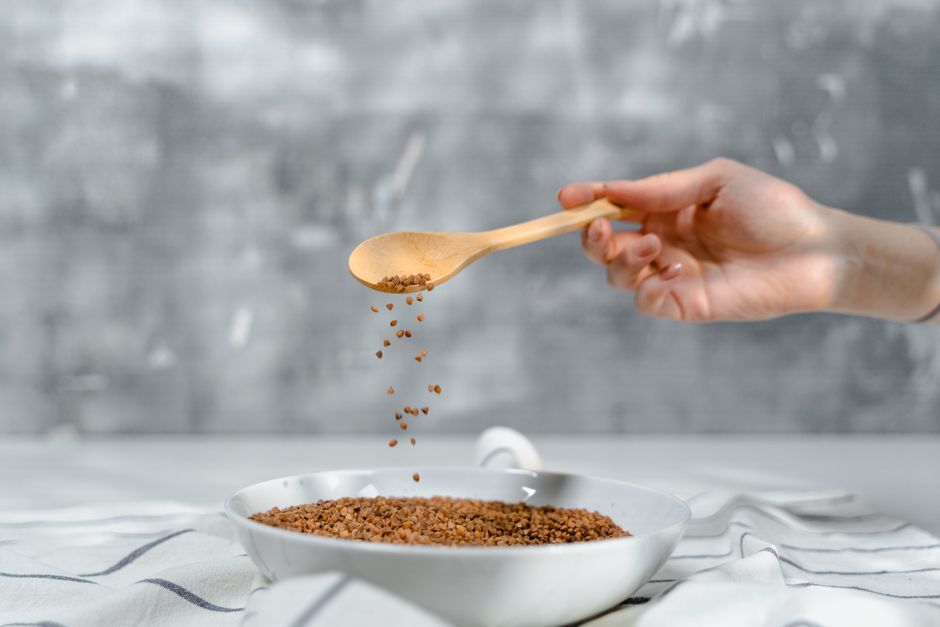
Flaxseed is one of the most versatile foods you can add to your diet. You can eat it ground, whole, or as oil, and it works in everything from smoothies to baked goods. The most important rule is simple: grind whole flaxseeds before eating them so your body can absorb the nutrients. Here is exactly how to eat flaxseed every day without it taking over your kitchen routine.
Why Do You Need to Grind Flaxseed?
Whole flaxseeds pass through your digestive system mostly intact. That means you miss out on the omega-3 fats, fiber, and lignans inside them. Your body cannot break through the tough outer shell of the seed.
Ground flaxseed, sometimes called flax meal, unlocks those nutrients. You can buy it pre-ground or grind it yourself in a coffee grinder. A cheap electric grinder does the job in about ten seconds.
One exception exists. If you eat flaxseed for constipation relief, whole seeds can still help. They add bulk to your stool even when they pass through undigested. But for nutrition, ground is the way to go.
Ground flaxseed goes rancid quickly. Keep it in an airtight container in the refrigerator or freezer. Buy whole seeds and grind small batches weekly for the freshest taste.
How Much Flaxseed Should You Eat Per Day?
Most research on flaxseed uses about one to two tablespoons of ground flaxseed per day. That amount provides a meaningful dose of alpha-linolenic acid (ALA), the plant-based omega-3 fat found in flaxseed.
One tablespoon of ground flaxseed contains roughly 37 calories, 2 grams of polyunsaturated fat, and about 2 grams of fiber. It also delivers a concentrated dose of lignans, which are plant compounds with antioxidant properties.
Start with one teaspoon daily if you are new to flaxseed. Gradually work up to one or two tablespoons over a week or two. This helps your digestive system adjust to the extra fiber.
Drink plenty of water when you increase your flaxseed intake. The soluble fiber in flaxseed absorbs water, and without enough fluid you may feel bloated or constipated.
How Can We Eat Flaxseed in Everyday Meals?
Ground flaxseed has a mild, nutty flavor that disappears into most foods. You barely notice it in a smoothie or oatmeal. Here are the simplest ways to use it daily.
Smoothies. Add one tablespoon of ground flaxseed to your morning smoothie. Blend it with the other ingredients and you will not taste it. The fiber also helps thicken the smoothie slightly.
Oatmeal and cereal. Stir ground flaxseed into hot oatmeal after cooking. Sprinkle it over cold cereal or yogurt. It adds a subtle crunch and a nutty note.
Baked goods. Replace up to one-quarter of the flour in muffins, pancakes, or bread with ground flaxseed. This works in most recipes without changing the texture much. It also adds moisture, so you may need to reduce other liquids slightly.
Egg replacement. Mix one tablespoon of ground flaxseed with three tablespoons of water. Let it sit for five minutes until it becomes gel-like. This mixture replaces one egg in vegan baking recipes.
Salads and dressings. Sprinkle a teaspoon of ground flaxseed over salads. You can also whisk it into homemade salad dressings to add thickness and nutrition.
Peanut butter or jam. Stir ground flaxseed into peanut butter before spreading it on toast. The fiber and healthy fats make the spread more filling.
Can You Eat Raw Flaxseed?
Yes, you can eat raw flaxseed. In fact, most people eat it raw because cooking is not required. Raw ground flaxseed is safe and nutritious.
Whole raw flaxseeds are also safe to eat, but again, they will not release their nutrients unless you chew them thoroughly. If you chew whole seeds well enough to break them apart, you absorb some nutrients. Most people do not chew them that thoroughly.
Do not eat unripe or green flaxseed. Only mature, dried flaxseed is meant for human consumption. Commercial flaxseed sold for food is always mature and safe.
Flaxseed oil is another raw option. It is pressed from the seeds and contains concentrated ALA. Use it in salad dressings or drizzle it over cooked vegetables. Do not heat flaxseed oil, because high temperatures damage the delicate fats.
Does Cooking Flaxseed Destroy Its Nutrients?
Mild heat does not destroy the main nutrients in flaxseed. The fiber, lignans, and most of the omega-3 fats survive baking and cooking.
Research suggests that baking ground flaxseed into muffins or bread keeps most of its nutritional value intact. The lignans are particularly heat-stable. The ALA fat is more sensitive but still largely survives normal baking temperatures.
Very high heat, like deep frying, can damage the fats in flaxseed. Stick to baking, sautéing, or adding flaxseed to dishes after cooking to be safe.
Flaxseed oil is the exception. Never cook with flaxseed oil. Its fats break down quickly when heated and can form harmful compounds. Use flaxseed oil only in cold dishes.
What About Flaxseed Water or Flaxseed Gel?
Flaxseed gel has become popular on social media. You make it by soaking whole or ground flaxseed in water until it forms a thick, gelatinous mixture. Some people drink it for digestion or use it in skincare routines.
Drinking flaxseed water is safe. The gel contains soluble fiber, which can help with digestion and regularity. There is nothing harmful about it.
That said, flaxseed gel does not provide more benefits than simply eating ground flaxseed in food. The fiber is the same fiber. You are just consuming it in liquid form.
If you enjoy the texture and it helps you eat flaxseed consistently, drink it. If not, you are getting the same benefits from a tablespoon in your oatmeal.
Are There Any Risks or Side Effects?
Flaxseed is safe for most people when eaten in food amounts. Side effects are usually mild and digestive in nature. Bloating, gas, and stomach cramps can happen, especially if you start with too much too quickly.
People with a history of bowel obstruction should avoid flaxseed. The fiber can worsen the condition. Talk to your doctor first if you have any intestinal issues.
Flaxseed contains compounds called cyanogenic glycosides. In very large amounts, these can be toxic. But the amounts in normal food servings are far below any danger level. You would need to eat an unrealistic quantity of raw flaxseed to experience harm.
If you take blood-thinning medication, talk to your doctor before eating large amounts of flaxseed. The omega-3 fats in flaxseed can have a mild blood-thinning effect. Normal food amounts are generally fine, but high doses may interact with medication.
Pregnant and breastfeeding women can eat flaxseed in normal food amounts. No established guidelines exist for high-dose flaxseed supplements during pregnancy, so stick to culinary amounts.
Whole Seeds vs. Ground vs. Oil: Which Is Best?
| Form | Best For | Nutrient Absorption | Shelf Life |
|---|---|---|---|
| Whole seeds | Constipation relief, baking decoration | Poor unless thoroughly chewed | Longest when stored properly |
| Ground seeds | Daily nutrition, smoothies, baking | Excellent | Short; refrigerate or freeze |
| Flaxseed oil | Salad dressings, cold dishes | Excellent for ALA fats | Short; refrigerate |
Ground flaxseed is the best choice for most people. It offers the full range of nutrients — fiber, lignans, and omega-3 fats — in a form your body can actually use.
Whole seeds are useful if you specifically need help with constipation. The insoluble fiber in whole seeds adds bulk to stool.
Flaxseed oil is the most concentrated source of ALA but lacks the fiber and lignans. It also spoils fastest. Use it within a few weeks of opening.
How to Store Flaxseed Properly
Flaxseed contains polyunsaturated fats that oxidize quickly. Oxygen, light, and heat all speed up spoilage. Proper storage keeps your flaxseed fresh and safe.
Keep whole flaxseed in an airtight container in a cool, dark place. It can last up to a year this way. Ground flaxseed should go in the refrigerator or freezer in an airtight container. It stays fresh for about three months refrigerated.
Flaxseed oil is the most fragile. Keep it in the refrigerator at all times. Discard it if it develops a bitter or paint-like smell, which signals rancidity.
Buying whole seeds and grinding them yourself is the best way to guarantee freshness. A small coffee grinder dedicated to flaxseed costs little and pays for itself in reduced waste.
Frequently Asked Questions
Can I eat flaxseed without grinding it?
Yes, but your body will not absorb most of the nutrients from whole seeds. Grinding is necessary to access the omega-3 fats, fiber, and lignans inside.
What is the best time of day to eat flaxseed?
There is no best time. Eat flaxseed whenever it fits into a meal, whether that is breakfast oatmeal or a dinner salad.
Can I eat flaxseed every day?
Yes, one to two tablespoons of ground flaxseed daily is safe for most healthy adults. Start with a smaller amount and increase gradually.
Does flaxseed help with weight loss?
Some research suggests flaxseed may help with appetite control due to its fiber content. The evidence is modest, and flaxseed is not a weight loss miracle.
