
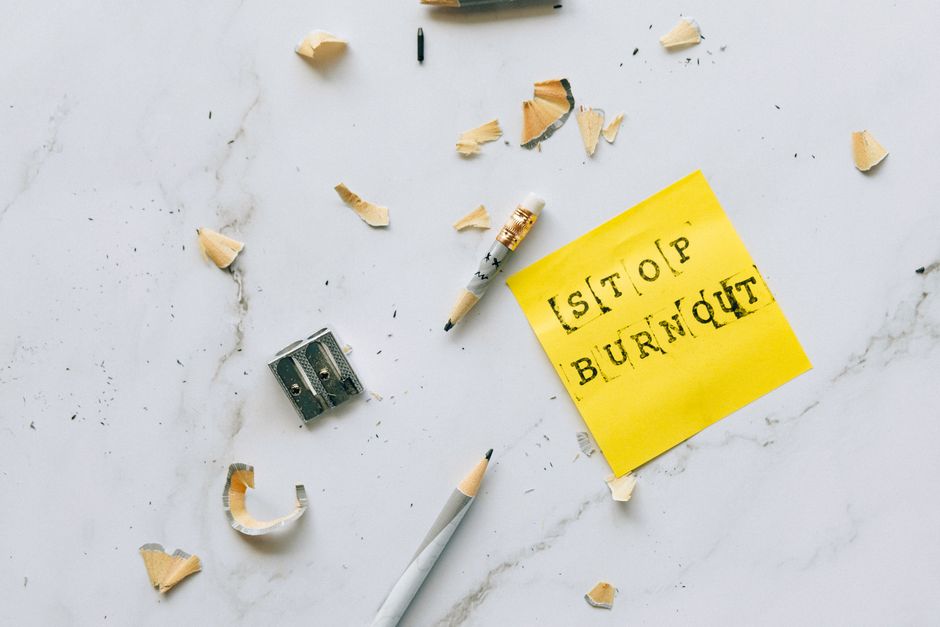
Stress changes how you treat other people, and it changes how they treat you back. That two-way loop is what makes stress and social health so tightly connected. When stress runs high, people tend to withdraw, read neutral faces as hostile, and snap at the people closest to them. Over time, those small shifts can thin out friendships, strain marriages, and leave someone feeling isolated even when help is nearby.
How Can Stress Affect Your Social Health?
Stress affects social health in two directions at once. It changes your behavior toward others, and it changes how your body responds to being around others.
The behavior side is easier to see. Under stress, the brain shifts resources toward immediate threat response and away from the slower work of reading social cues, tolerating small annoyances, and planning kind responses. People become more reactive and less patient. A text goes unanswered. A comment lands harder than intended. Plans get canceled. None of these is dramatic on its own. Repeated over weeks, they add up.
The biology side is less obvious but well documented. Social connection appears to buffer the body’s stress response, and social isolation appears to amplify it. Research on loneliness has found that people who report feeling chronically lonely show different patterns of stress hormone activity and inflammatory markers than people who feel well connected. That does not mean loneliness causes disease on its own. It means the two systems talk to each other.
There is a detail here that often gets missed. The number of people around you matters less than whether you feel supported by them. Someone can be surrounded by coworkers and family and still be socially isolated in the way that affects health. The felt sense of connection is the variable that shows up most consistently in the research.
What Happens in the Body When Stress Becomes Chronic?
Acute stress is normal and useful. The sympathetic nervous system fires, cortisol and adrenaline rise, heart rate and blood pressure climb, and the body prepares to act. When the threat passes, the parasympathetic nervous system brings things back down. That cycle is healthy.
Chronic stress is a different state. The threat does not pass, so the system stays partly activated. Cortisol patterns flatten or shift. Inflammatory signaling tends to rise. Sleep gets worse, which makes the next day’s stress response more reactive. This is not a metaphor — it shows up in measurable changes in hormone rhythms, immune markers, and cardiovascular measures.
What this means for social life is practical. A body that is already on alert has less room for the patience and flexibility that relationships require. Irritability increases. The threshold for feeling criticized drops. Small conflicts escalate faster. People under chronic stress often describe themselves as “not themselves,” and socially, that is often literally what is happening.
Why Does Stress Make People Withdraw From Others?
Withdrawal under stress is common, and it is not a character flaw. It is a predictable response.
When the brain is managing a perceived threat, social engagement requires energy that feels unavailable. Declining an invitation feels easier than showing up and pretending to be fine. Canceling plans avoids the risk of saying something wrong. Avoiding a difficult conversation avoids a confrontation the nervous system is already braced for.
There is also a cognitive piece. Under stress, people tend to interpret ambiguous social information more negatively. A short reply reads as coldness. A delayed response reads as rejection. This is sometimes called a negativity bias, and it is well described in the stress literature. It means stressed people often misread situations in ways that push others away, and then read the resulting distance as confirmation that they are being pushed away.
The trap is that withdrawal removes the exact thing that would help. Social support is one of the more reliable buffers against stress. Pulling away from it makes the stress worse, which makes withdrawal more likely. That loop is worth naming out loud because seeing it is often the first step to interrupting it.





Can Stress Damage Existing Relationships?
Yes, and the mechanism is usually not one big event. It is accumulation.
Chronic stress tends to reduce what researchers call empathic accuracy — the ability to correctly read what another person is feeling. It also reduces patience for repair after conflict. Couples under sustained stress argue more about smaller things and recover more slowly afterward. The arguments themselves are often less important than the slowed recovery.
Several patterns tend to show up:
- More criticism and defensiveness in ordinary conversations
- Less time spent on shared activities that used to maintain the bond
- Fewer repairs after disagreements — apologies come later or not at all
- Increased withdrawal during conflict rather than engagement
- More assuming of bad intent in ambiguous situations
None of these is unique to stress. They also appear in depression, burnout, and sleep deprivation, which often travel alongside chronic stress and can be hard to separate from it. That overlap matters, because treating only the stress while missing an underlying mood or sleep problem tends to produce partial results.
Does Social Isolation Make Stress Worse?
Social isolation and stress reinforce each other. Isolation tends to increase the body’s stress response, and a heightened stress response tends to increase isolation.
Research on perceived social isolation has found associations with higher resting stress hormone levels, altered immune function, and poorer cardiovascular outcomes. These are associations, not proof of cause and effect in every case. But the pattern is consistent enough across studies that the relationship is generally accepted.
One clarification worth making: living alone is not the same as being socially isolated. Some people who live alone have rich social lives and strong support networks. Some people who live with others feel profoundly alone. The research points to the felt quality of connection, not the physical presence of people, as the more meaningful factor.
What Actually Helps? What the Evidence Supports
Approaches that target both the stress response and the social connection tend to work better than approaches that target only one. This is the practical takeaway from the research, and it is where most people get stuck.
Prioritize sleep. Sleep and stress are tightly linked. Poor sleep makes the next day’s stress response more reactive, and chronic stress makes sleep harder. Addressing sleep is not a side issue — it is often the most direct lever available.
Protect a small number of relationships rather than many. Quality appears to matter more than quantity in the research. A few relationships where someone feels genuinely known tend to do more for stress buffering than a wide network of casual contacts.
Reach out before you feel like it. Because stress reduces the impulse to connect, the moment when reaching out feels hardest is often the moment it would help most. This is not a cure, but it interrupts the withdrawal loop.
Name what is happening to the people close to you. Saying “I am under a lot of stress right now and I know I have been short with you” does something specific. It shifts the other person’s interpretation of your behavior from personal to situational, which reduces the chance of a defensive spiral.
Consider structured support. Therapy, support groups, and structured programs have reasonable evidence for reducing stress and improving social functioning in many populations. Which approach fits depends on the person and the situation. No single method is proven to work for everyone.
What does not have strong evidence: passive social media use as a substitute for direct connection. Some studies suggest that passive scrolling can increase feelings of isolation rather than reduce them, though the research here is mixed and the effects are not large.
What to Watch For
Stress that has been running for months and has started to noticeably change how you treat people is worth taking seriously. If you are canceling on friends more, snapping at family, or feeling more alone than you did a year ago, those are signals, not personality changes.
If the changes are significant, or if they come with persistent low mood, loss of interest in things you used to enjoy, or sleep that does not recover, it is worth talking to a clinician. Chronic stress, depression, and anxiety overlap heavily, and a professional can help sort out what is driving what. No article can do that.
Frequently Asked Questions
Can stress actually cause social isolation?
Yes. Chronic stress tends to reduce patience, increase negative interpretations of social cues, and lower the drive to connect, all of which push people away over time. The isolation then feeds back and makes the stress worse.
How long does it take for chronic stress to affect relationships?
There is no fixed timeline, and it varies widely between people and situations. The changes are usually gradual — small shifts in patience and connection that accumulate over weeks or months rather than appearing suddenly.
Is loneliness the same as social isolation?
No. Loneliness is the felt sense of being disconnected, while social isolation is an objective lack of contact. Someone can be socially isolated without feeling lonely, or feel deeply lonely while surrounded by people.
Does social connection actually reduce stress, or does it just feel that way?
Research consistently links perceived social support to lower stress markers and better health outcomes. The effect is about how supported someone feels, not simply how many people are around them.
