
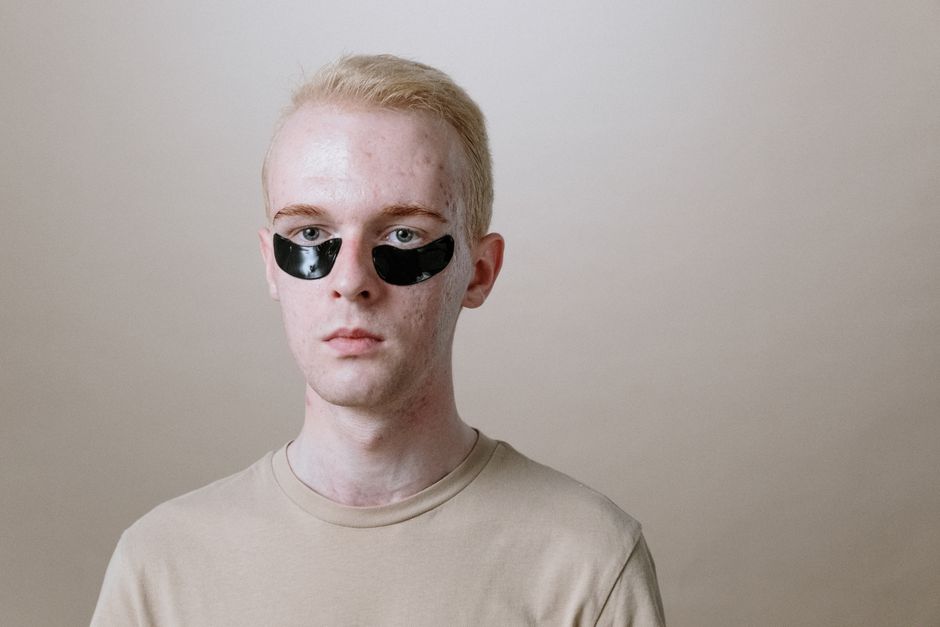
You cannot remove a pimple instantly, but you can shrink it faster and reduce the risk of scarring by using proven treatments and leaving it alone. The fastest reliable options are benzoyl peroxide, salicylic acid, or a spot treatment containing both, applied soon after a pimple appears. For a large inflamed pimple, a dermatologist can inject it with a corticosteroid, which often flattens it within a day or two.
A pimple forms when a hair follicle gets blocked by oil and dead skin cells. Bacteria that normally live on skin, mainly Cutibacterium acnes, multiply in the blocked pore, and the body responds with inflammation. That inflammation is what makes a pimple red, raised, and tender. Understanding this helps explain why some removal methods work and others make things worse.
What actually makes a pimple go away faster?
Benzoyl peroxide is the best-supported over-the-counter ingredient for inflamed pimples. It kills C. acnes bacteria and reduces inflammation. Salicylic acid helps by loosening the plug of dead skin and oil inside the pore, which is more useful for blackheads and whiteheads than for deep, tender pimples.
For a single inflamed pimple, some dermatologists recommend a hydrocolloid patch overnight. These patches absorb fluid and keep you from picking at the spot. Evidence for their effect on inflammation itself is limited, but they do protect the area and reduce the urge to squeeze.
Prescription options exist for pimples that do not respond to over-the-counter products. These include topical retinoids, topical antibiotics, and in some cases oral medications. A dermatologist can match treatment to the type and severity of your acne.
Should you pop a pimple?
No. Popping a pimple pushes bacteria and inflammatory material deeper into the skin. That raises the risk of a larger infection, longer healing time, and permanent scarring.
Squeezing also damages the follicle wall. When that wall breaks, the contents spill into surrounding tissue and trigger a bigger inflammatory response. This is why a popped pimple often looks worse the next day, not better.
There is one exception worth knowing about. A whitehead that has formed a clear, visible head and sits right at the surface can sometimes be gently extracted with clean hands and a sterile tool. Even then, the risk of scarring is real, and most dermatologists advise against doing it yourself. If a pimple is deep, painful, or has no visible head, do not attempt to pop it.
What about home remedies for pimples?
Most home remedies for pimples have little or no clinical evidence behind them. Some are harmless. Others can irritate skin or make acne worse.
Tea tree oil has some supporting evidence for mild acne. A small number of studies suggest it may reduce pimple count, though it appears less effective than benzoyl peroxide. It can cause irritation and allergic reactions in some people, so patch testing first is sensible.
Ice wrapped in a cloth applied for a few minutes may reduce swelling and redness temporarily. It does not treat the underlying cause and should not be left on skin for long periods.
Toothpaste, lemon juice, and baking soda are commonly suggested online. None have evidence supporting them for acne, and all can irritate or damage the skin barrier. Lemon juice in particular can cause a phototoxic reaction when skin is exposed to sunlight.
How long does a pimple take to heal?
A typical pimple heals in about three to seven days with proper care. Larger, deeper pimples, sometimes called nodules or cysts, can take weeks and are more likely to leave marks.
Healing time depends on the type of pimple, how inflamed it is, and whether you pick at it. Picking reliably extends healing and increases the chance of a dark spot or scar.
Dark marks left after a pimple fades are not scars. They are post-inflammatory hyperpigmentation, caused by excess melanin produced during inflammation. These marks can take months to fade on their own, and sun protection helps prevent them from darkening.
When should you see a doctor about a pimple?
See a doctor if a pimple is large, deep, and painful, or if it keeps coming back in the same spot. These can be signs of a cyst or a more stubborn form of acne that benefits from prescription treatment.
Seek care promptly if a pimple becomes rapidly swollen, hot, and tender, or if you develop fever or spreading redness. These can signal a deeper skin infection that needs medical treatment.
You should also see a dermatologist if acne is leaving scars, affecting your confidence, or not improving after several weeks of over-the-counter treatment. Acne is treatable, and earlier treatment reduces the risk of permanent scarring.
How can you prevent new pimples?
Consistent skincare reduces new pimples more reliably than treating them one at a time. Wash your face twice daily with a gentle cleanser. Avoid harsh scrubs and alcohol-based toners, which irritate skin and can trigger more oil production.
Use non-comedogenic moisturizer and sunscreen. Products labeled non-comedogenic are formulated not to clog pores. Skipping moisturizer can dry out skin and prompt it to produce more oil.
Keep your hands off your face. Touching transfers bacteria and oil, and picking at existing spots worsens them. Change pillowcases regularly and clean items that contact your face, like phone screens and helmets.
Diet plays a smaller role than many people assume. Some research suggests high-glycemic diets and dairy may worsen acne in some people, but the evidence is not strong enough to recommend specific dietary changes for everyone. If you notice a pattern, it is reasonable to discuss it with a doctor.
What makes some pimples worse than others?
Hormones, genetics, and skin type all influence how severe a pimple becomes. Hormonal fluctuations, such as those around menstruation, can trigger deeper and more inflamed pimples. Some people are simply more prone to blocked follicles.
Certain medications, including some corticosteroids and lithium, can cause or worsen acne. If acne started after beginning a new medication, mention it to your doctor.
Stress is often blamed for breakouts, and the link is plausible but not fully established. Some studies suggest stress may worsen acne, though the evidence is not definitive. Sleep and overall health habits are reasonable to support regardless.
Frequently Asked Questions
How can I remove a pimple overnight?
You cannot fully remove a pimple overnight, but benzoyl peroxide or a hydrocolloid patch applied before bed can reduce redness and size by morning. A dermatologist-injected corticosteroid can flatten a large pimple faster, usually within a day or two.
Does toothpaste remove pimples?
No, toothpaste is not an effective or safe pimple treatment. It can irritate skin and worsen redness, and no clinical evidence supports it for acne.
How long does a pimple last?
A typical pimple heals in about three to seven days with proper care. Deep, inflamed pimples can take weeks and are more likely to leave marks.
Can popping a pimple cause scarring?
Yes, popping a pimple can cause permanent scarring and raises the risk of infection. It also extends healing time and increases the chance of dark spots.
