
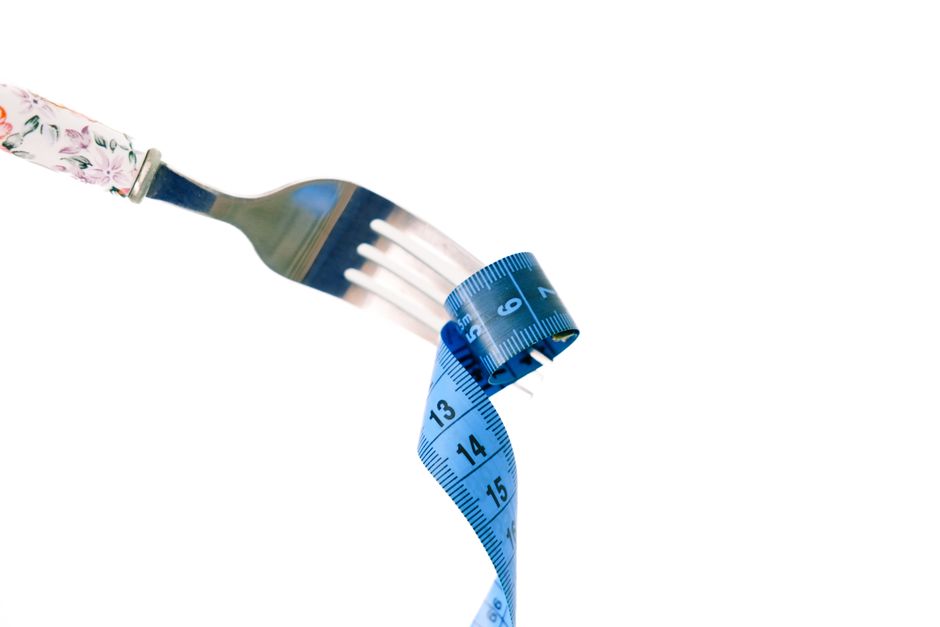
Reducing weight comes down to one reliable principle: you need to take in fewer calories than your body uses, consistently, over a long stretch of time. How you create that gap matters far less than whether you can keep doing it. The habits that survive busy weeks, holidays, and stress are the ones that produce lasting weight loss.
That is the honest, evidence-based answer. The rest of this article explains how the body actually loses fat, which strategies have real research behind them, and where popular advice goes wrong.
How Does Weight Loss Actually Work?
Body weight is set by energy balance. When you consume fewer calories than you burn, the body draws on stored energy, mostly fat, to make up the difference. When you consume more than you burn, the surplus is stored, primarily as fat.
This is not a metaphor. It is basic physiology, and it holds for nearly everyone over time. The complications come from how the body responds to that gap. When you eat less, metabolism can slow slightly, hunger hormones rise, and the body defends its existing weight. This is why weight often comes back after a diet ends. It is not a failure of willpower. It is biology working as designed.
Fat tissue itself is not passive storage. It releases hormones that influence appetite, inflammation, and how the body uses insulin. Losing fat changes those signals, which is one reason weight loss can improve blood pressure, blood sugar, and joint pain.
What Is the Best Way to Reduce Weight?
There is no single best diet. What the research consistently shows is that total calorie intake matters more than the specific mix of carbohydrates, fat, and protein. Low-carb, low-fat, Mediterranean, and plant-based diets have all produced similar weight loss when calories are matched.
What differs is how easy each approach is to stick with. A diet you can follow for a year beats a stricter one you abandon in three weeks.
A few approaches have stronger long-term evidence than others:
- Reducing added sugar and refined grains tends to lower calorie intake without deliberate counting, because these foods are calorie-dense and easy to overeat.
- Eating more protein and fiber increases fullness. Protein also helps preserve muscle during weight loss.
- Tracking what you eat, even briefly, raises awareness. People consistently underestimate how much they eat.
- Structured programs with regular check-ins produce better results than going it alone in many studies.
Some clinicians also recommend very low-calorie diets or medically supervised programs for people with obesity-related conditions. These can produce rapid loss but require medical oversight because of risks like nutrient deficiency, gallstones, and muscle loss.
How Many Calories Should You Eat to Lose Weight?
A common clinical starting point is a deficit of about 500 calories per day, which tends to produce roughly one pound of loss per week. This is a widely used estimate, not a precise rule. Actual loss varies with body size, activity, genetics, and how the body adapts.
The number of calories a person needs depends on age, sex, weight, height, and activity level. Rather than guessing, many people find it more useful to track intake for a week or two and then reduce it modestly. Aggressive cuts below about 1,200 calories per day for women or 1,500 for men are difficult to sustain and can lead to nutrient shortfalls without medical supervision.
No clinical guidelines currently exist for calorie targets in pregnancy, breastfeeding, or in children without medical oversight. Anyone in those groups should work with a clinician rather than follow general diet advice.





Does Exercise Help You Lose Weight?
Exercise burns calories, but it is a weaker weight-loss tool than most people expect. A hard workout might burn a few hundred calories, which is easily offset by a snack or a larger portion at dinner. Studies that compare diet alone with diet plus exercise generally find the diet does most of the work.
Where exercise matters is in keeping weight off. People who maintain significant weight loss over years tend to be physically active. Exercise also preserves muscle during weight loss, which keeps metabolism from dropping as much.
Strength training is particularly useful here. Muscle burns more calories at rest than fat, and preserving it protects your ability to function as you age. Aim for a mix of aerobic activity and resistance training rather than relying on cardio alone.
Why Is It So Hard to Keep Weight Off?
The body resists weight loss. When you lose fat, levels of the hunger hormone ghrelin rise and levels of leptin, which signals fullness, fall. Metabolism slows slightly. These changes can persist for months or longer after the diet ends.
This is not a character flaw. It is an evolved response to protect against starvation. Understanding it changes how you approach maintenance.
People who keep weight off long-term tend to share a few habits. They weigh themselves regularly. They eat breakfast. They stay active. They catch small regains early rather than waiting until they have gained back everything. None of these is a guarantee, but the pattern shows up repeatedly in long-term studies of weight-loss maintainers.
What Weight Loss Methods Do Not Work?
Many popular approaches either lack evidence or are actively misleading. It is worth knowing which is which.
- Detox teas and cleanses do not remove fat. Any weight lost is water or stool, and it returns quickly.
- Fat-burning supplements have not been shown to produce meaningful, lasting weight loss in large human trials. Some carry real risks, including liver injury and elevated heart rate.
- Spot reduction is not possible. You cannot lose fat from your belly by doing crunches.
- Eating after a certain hour does not cause weight gain by itself. Total calories matter more than timing for most people.
- Apple cider vinegar, lemon water, and similar rituals have no clinical evidence supporting weight loss.
That said, some widely dismissed ideas do have modest support. Intermittent fasting, for example, produces similar weight loss to standard calorie restriction in most trials. It works mainly because it reduces how much people eat, not because of any special metabolic effect.
When Should You Talk to a Doctor?
Weight loss is not always a simple matter of eating less. Some people have medical conditions that make it harder, including an underactive thyroid, polycystic ovary syndrome, and certain medications such as some antidepressants and steroids.
See a clinician if you have tried reasonable approaches without success, if you have gained weight rapidly without a clear cause, or if you have other symptoms like fatigue, hair loss, or changes in your menstrual cycle.
For people with obesity, defined as a BMI of 30 or higher, medical options exist. Prescription medications and, in some cases, bariatric surgery can produce significant weight loss when lifestyle changes alone have not worked. These are clinical decisions, not quick fixes, and they require ongoing medical care.
What Actually Works Long-Term?
The strategies with the strongest evidence are unglamorous. Eat slightly less than you burn. Prioritize protein, vegetables, and fiber. Move your body most days. Track your weight so you notice regains early. Sleep enough, because poor sleep raises hunger and cravings.
Slow, steady loss of about one to two pounds per week is the rate most clinical guidelines recommend. Faster loss is possible but harder to maintain and carries more risk of muscle loss and nutrient deficiency.
The goal is not a perfect diet. It is a set of habits you can live with for years. That is the difference between losing weight and keeping it off.
Frequently Asked Questions
How can I reduce weight fast?
Rapid weight loss is possible with very low-calorie diets, but it usually requires medical supervision and often leads to muscle loss and rebound weight gain. Sustainable loss of one to two pounds per week is the rate most clinical guidelines recommend.
What is the fastest way to lose belly fat?
There is no way to target belly fat specifically. Fat is lost from the whole body when you are in a calorie deficit, and where it comes off first is largely determined by genetics.
Do I need to exercise to lose weight?
No. Diet changes produce most of the weight loss in studies comparing diet alone with diet plus exercise. Exercise matters more for keeping the weight off and preserving muscle.
Why am I not losing weight even though I eat less?
People commonly underestimate how many calories they eat, and metabolism slows somewhat during weight loss. Tracking intake accurately for a week often reveals the gap.
