
Your liver does more than 500 jobs in your body, and most of them happen without any input from you. It filters toxins from your blood, makes bile to digest fat, stores glucose for later use, and builds proteins your body depends on. The most effective way to help it function better is to avoid the things that damage it: excess alcohol, unnecessary medications, and a diet heavy in refined sugar and saturated fat. Beyond that, regular exercise, adequate sleep, and maintaining a healthy weight are the habits with the strongest evidence behind them.
What Does the Liver Actually Do?
Your liver is the largest internal organ in your body, weighing about 3 pounds in an average adult. It sits in the upper right side of your abdomen, tucked under your ribs. Every drop of blood that leaves your stomach and intestines passes through it before reaching the rest of your body.
That position makes it a checkpoint. The liver processes nutrients, breaks down drugs and alcohol, and removes waste products from blood. It also produces bile, a fluid that helps your small intestine absorb fat and fat-soluble vitamins. Without bile, you cannot properly absorb vitamins A, D, E, and K.
The liver stores glucose as glycogen and releases it when blood sugar drops. It builds albumin, a protein that keeps fluid from leaking out of your blood vessels. It also makes clotting factors that let your blood stop bleeding after a cut. These functions happen continuously, not only when you “detox” or follow a special diet.
One thing worth understanding: the liver does not need help detoxing. It is the detox organ. No juice cleanse, tea, or supplement makes it filter blood more effectively. In fact, some herbal products marketed for liver health can cause liver injury. The evidence on this point is clear and consistent.
How Can I Help My Liver Function Better?
The single most impactful step depends on what is currently stressing your liver. For most people, that means reducing alcohol intake, avoiding unnecessary medications and supplements, and losing excess weight if it applies. Each of these has strong evidence behind it.
Alcohol is the leading cause of liver-related death in the United States. The liver breaks down alcohol into acetaldehyde, a compound that damages liver cells. Heavy drinking over time leads to fatty liver, then inflammation, then scarring, and eventually cirrhosis. There is no universally “safe” amount of alcohol for liver health. If you already have liver disease, the safest approach is to avoid alcohol entirely.
Medications matter more than most people realize. Acetaminophen (Tylenol) is safe at recommended doses but can cause severe liver damage in overdose. Some people accidentally exceed the recommended dose by taking multiple products that contain acetaminophen without realizing it. Always read labels on cold and flu remedies, which often contain it. Other drugs, including certain antibiotics, anti-seizure medications, and pain relievers, can stress the liver, especially when combined with alcohol.
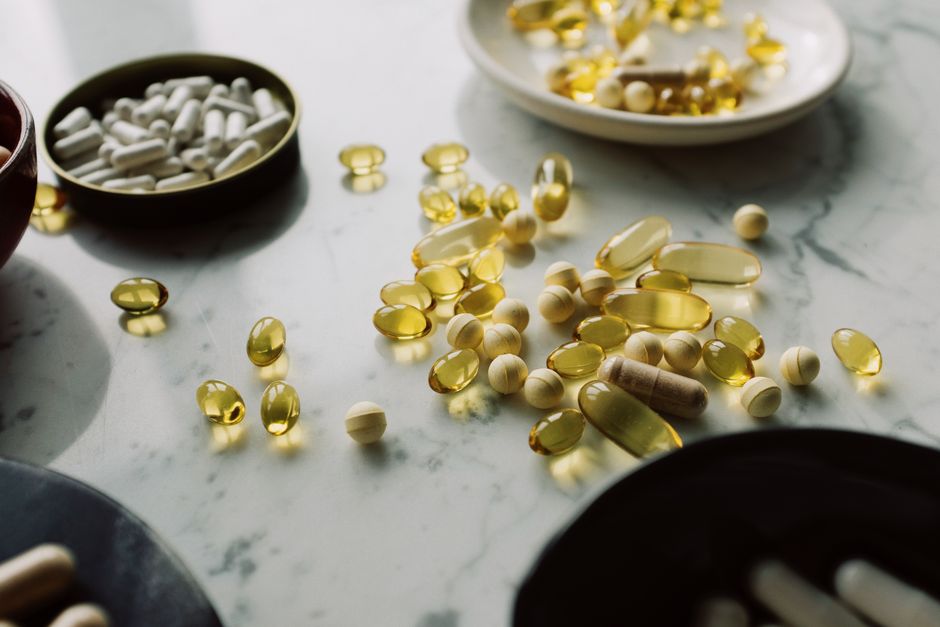
Supplements deserve caution. Herbal and dietary supplements are a growing cause of liver injury in the United States. Some products marketed as natural or liver-supporting have been linked to liver damage. The FDA does not review supplements for safety before they reach the market. If you take supplements, tell your doctor, especially before surgery or if you notice symptoms like fatigue or yellowing of the skin.
Weight is a major factor. Excess body fat, particularly around the abdomen, contributes to nonalcoholic fatty liver disease (NAFLD), now more commonly called metabolic dysfunction-associated steatotic liver disease (MASLD). This condition affects roughly 1 in 4 adults worldwide. Losing even a modest amount of weight can reduce liver fat and improve liver enzymes. Research suggests that losing 5% to 10% of body weight can meaningfully improve liver health in people with fatty liver disease, though individual results vary.
What Foods and Drinks Support Liver Health?
No single food repairs the liver. What matters more is the overall pattern of what you eat and drink. A diet built around vegetables, fruits, whole grains, legumes, and lean proteins supports liver function by reducing the fat and inflammation that stress it.
Coffee deserves a specific mention. Research published in journals including Hepatology and the Journal of Hepatology has found associations between regular coffee consumption and lower risk of liver scarring and liver cancer, particularly in people with existing liver disease. The evidence is observational, meaning it shows a link rather than proof of cause. Still, for most adults, moderate coffee intake appears to be at least neutral and possibly beneficial for the liver.
What to limit or avoid:
- Added sugar and high-fructose corn syrup. The liver metabolizes fructose differently than glucose. High intakes of added sugar are linked to fat buildup in the liver.
- Saturated and trans fats. These contribute to fatty liver and insulin resistance.
- Alcohol. Even moderate drinking can worsen existing liver disease.
- Excess salt. High sodium intake can worsen fluid retention in people with advanced liver disease.
There is no food or drink that “cleans” the liver. The liver cleans itself. What you can do is stop adding to its workload.
Does Exercise Help Your Liver?
Yes. Exercise reduces liver fat independently of weight loss. Studies have found that regular physical activity improves liver enzymes and reduces fat accumulation in the liver, even when the scale does not move much.
Both aerobic exercise and resistance training appear to help. The general recommendation for adults is at least 150 minutes of moderate-intensity activity per week, such as brisk walking, plus muscle-strengthening activities on two or more days per week. That is the standard public health guideline, and it applies to liver health as well.
You do not need to run marathons. A daily walk, taking stairs, or cycling to work all count. The key is consistency rather than intensity.
How Does Sleep Affect Liver Function?
Poor sleep is linked to worse liver outcomes, though the relationship is complex. People with chronic sleep deprivation tend to have higher rates of fatty liver disease and insulin resistance. Some research suggests that sleep apnea, a condition that disrupts breathing during sleep, is associated with more severe liver disease in people who have it.
Whether improving sleep directly improves liver function is less clear. What is clear is that sleep affects metabolism, hormones, and inflammation throughout the body. Getting 7 to 9 hours of sleep per night is a reasonable target for most adults, consistent with general sleep recommendations.
What Are the Warning Signs of Liver Problems?
Early liver disease often causes no symptoms at all. That is why it is often called a silent condition. When symptoms do appear, they can include:
- Fatigue that does not improve with rest
- Yellowing of the skin or eyes (jaundice)
- Dark urine or pale stools
- Swelling in the abdomen or legs
- Easy bruising or bleeding
- Persistent itching
- Loss of appetite or unexplained weight loss
These symptoms can have many causes, not just liver disease. If you notice any of them, especially jaundice or abdominal swelling, see a doctor promptly. Blood tests including liver enzymes (ALT, AST, alkaline phosphatase) and imaging can help identify whether the liver is involved.
Routine screening matters for people at higher risk. If you have obesity, type 2 diabetes, heavy alcohol use, or a family history of liver disease, talk to your doctor about whether liver tests are appropriate for you.
What About Liver Detox Products?
Liver detox products do not work as claimed. The liver already neutralizes and removes toxins through a complex system of enzymes. No supplement, tea, or cleanse has been shown in clinical trials to improve this process in healthy people.
More concerning, some detox products have caused liver injury. The National Institutes of Health and other health agencies have documented cases of liver damage linked to herbal supplements, including certain green tea extracts and products containing comfrey or kava. The risk is real, even for products labeled natural.
If you want to support your liver, spend your money on vegetables and walking shoes, not detox kits.
When Should You See a Doctor About Your Liver?
See a doctor if you have symptoms of liver disease, if you drink heavily, or if you have conditions that raise your risk, such as diabetes or obesity. A simple blood test can check your liver enzymes and give you a baseline.
There is no vaccine for all liver diseases, but there are vaccines for hepatitis A and hepatitis B, both of which can damage the liver. The Centers for Disease Control and Prevention recommends hepatitis B vaccination for all adults, and hepatitis A vaccination for certain groups. If you are unsure of your vaccination status, ask your doctor.
Frequently Asked Questions
Can you reverse liver damage?
Some liver damage can be reversed, especially in its early stages. Fatty liver and mild inflammation can improve with lifestyle changes, but advanced scarring (cirrhosis) is generally permanent.
What is the fastest way to improve liver health?
Stop drinking alcohol and avoid unnecessary medications and supplements. These steps remove ongoing stress on the liver and give it the best chance to recover.
Is coffee good for your liver?
Observational studies link regular coffee drinking to lower risk of liver scarring and liver cancer, particularly in people with existing liver disease. The evidence shows an association, not proof of cause.
Do liver detox supplements work?
No clinical trials have shown that detox supplements improve liver function in healthy people. Some herbal products have actually been linked to liver injury.
