
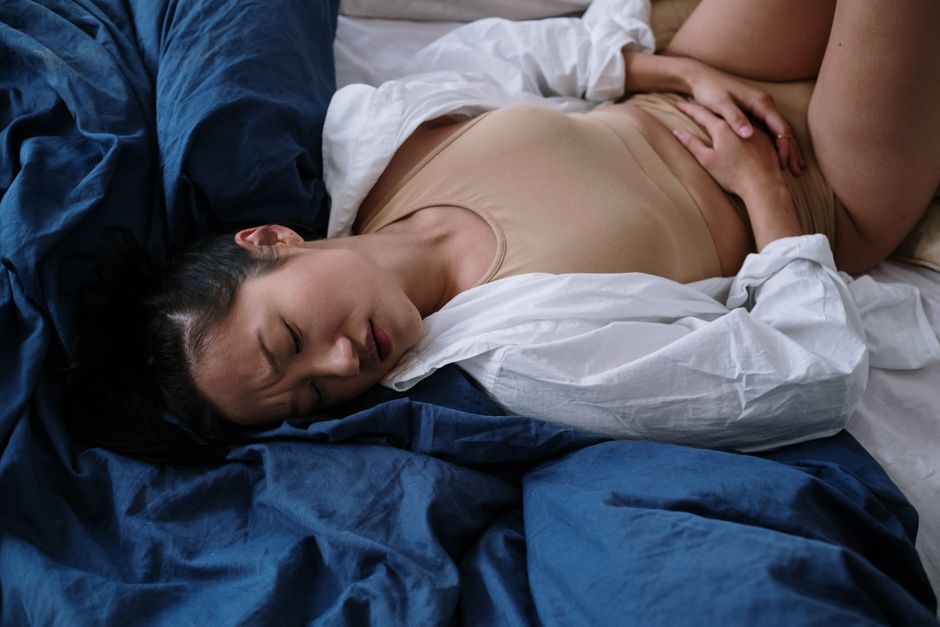
You can have diarrhea without eating because your gut does not need new food to produce stool. The intestines constantly secrete fluid and electrolytes during normal digestion, and they reabsorb most of it before it leaves the body. When something irritates the gut, speeds up transit, or disrupts that reabsorption, the result is watery stool made largely of your own body fluids. Food is not the raw material here. Your intestinal lining is.
That is why diarrhea can show up during a stomach bug, a course of antibiotics, or a stressful morning when your last meal was many hours ago. The triggers are often things other than food: infections, medications, hormones, and even the nervous system itself.
This article explains where that fluid comes from, the most common causes of diarrhea when you have not eaten, and when the pattern deserves a doctor’s attention.
Where Does Diarrhea Fluid Come From If You Havent Eaten?
Your digestive tract produces a large volume of fluid every day, independent of what you eat. Saliva, stomach acid, bile, pancreatic juice, and intestinal secretions add up to several liters daily. In a healthy gut, almost all of that fluid is reabsorbed in the small intestine and colon before it becomes stool. Only a small fraction of the original volume leaves the body.
Diarrhea happens when that balance tips. Either the gut secretes more fluid than usual, absorbs less, or moves contents through too quickly for absorption to keep up. None of these require a recent meal.
Two mechanisms account for most cases:
- Secretory diarrhea: the intestinal lining actively pumps fluid and electrolytes into the gut, often in response to a bacterial toxin, bile acid, or hormone. This type can continue even when you are not eating.
- Osmotic and motility-related diarrhea: undigested substances pull water into the gut, or transit speeds up so fast that there is no time to absorb fluid. This is common with certain sugars, medications, and rapid gut movement.
Because the fluid is coming from your own body rather than from food, you can keep producing watery stool long after your last meal.
What Causes Diarrhea When You Havent Eaten?
The causes overlap with diarrhea in general, but a few stand out when food is not the obvious trigger.
Infection. Viral gastroenteritis is the most common cause of acute diarrhea. Rotavirus and norovirus are well-known examples. Bacterial infections from contaminated food or water can also cause it, though the symptoms may start after the food has already moved through your system. The infection itself, not the meal, drives the fluid loss.
Medications. Antibiotics are a frequent culprit because they disrupt the normal bacteria in your colon. Other common offenders include certain acid reducers, some blood pressure drugs, and laxatives. Antibiotic-associated diarrhea can begin days after starting a medication and may persist after you stop eating normally.
Food intolerance and malabsorption. Lactose intolerance is a classic example. If you cannot digest lactose, it travels to the colon where it draws in water and gets fermented by bacteria. The result can be diarrhea even if the offending food was hours earlier. Celiac disease and other malabsorption conditions can cause similar patterns.
Stress and the nervous system. The gut has its own extensive network of nerve cells, sometimes called the enteric nervous system, and it communicates constantly with the brain. Acute stress, anxiety, and even the anticipation of a stressful event can speed up gut motility. This is why some people get diarrhea before an exam, an interview, or a flight.
Underlying conditions. Irritable bowel syndrome, inflammatory bowel disease, and bile acid malabsorption can all cause diarrhea that is not tied to a recent meal. In these cases the gut itself is behaving abnormally, and food is only one of many inputs.
Hormonal and other causes. Thyroid problems, diabetes-related nerve damage, and some tumors that secrete hormones can also produce diarrhea. These are less common but worth knowing about if the pattern is persistent.
Why Does Diarrhea Sometimes Get Worse After Not Eating?
For some people, symptoms seem to intensify when they skip meals. There are a few reasons this can happen.
When you do not eat, your stomach and intestines still go through periodic waves of movement, known as the migrating motor complex. This is a normal housekeeping rhythm that clears residual contents between meals. If your gut is already irritated, those waves can trigger urgency and loose stool.
Skipping meals can also concentrate bile and stomach acid, which may irritate an already sensitive lining. And if you are not eating because you feel nauseated, the underlying illness driving both symptoms is still active.
That said, the relationship between fasting and diarrhea is not the same for everyone. Some people notice no difference. Others feel better when they eat small amounts. There is no single rule here, and it depends heavily on the cause.


When Should You Worry About Diarrhea Without Eating?
Most short bouts of diarrhea, with or without eating, resolve on their own. Certain signs suggest something more serious and warrant medical attention.
Seek care if you have:
- Blood or black, tarry stool
- Signs of dehydration such as dizziness, very dark urine, or a rapid heart rate
- Diarrhea lasting more than a few days in an adult, or more than about a day in a young child
- High fever or severe abdominal pain
- Diarrhea that starts after recent antibiotic use or hospitalization
- Unintentional weight loss or symptoms that keep coming back
Dehydration is the main concern with any prolonged diarrhea, because you are losing water and electrolytes that your body needs. Watch for dry mouth, reduced urination, and fatigue.
In older adults and people with weakened immune systems, even a routine infection can become more serious. Do not wait if symptoms are severe.
How Is Diarrhea Without Eating Treated?
Treatment depends on the cause. For most acute cases, the focus is on replacing fluids and electrolytes and letting the gut recover.
Oral rehydration solutions are the standard for replacing water and salts lost through diarrhea. They are designed to match the body’s needs better than plain water or sports drinks. For mild cases, sipping clear fluids throughout the day helps. Avoid very sugary drinks, which can pull more water into the gut and worsen diarrhea.
Over-the-counter anti-diarrheal medications can reduce symptoms in some situations, but they are not appropriate for everyone. They should generally be avoided if you have bloody diarrhea or a high fever, because slowing the gut can trap an infection. Some clinicians recommend them for non-infectious causes and advise against them when infection is suspected. If you are unsure, ask a pharmacist or doctor.
If a medication is the cause, your doctor may adjust or change it. If an underlying condition like celiac disease or irritable bowel syndrome is responsible, treatment targets that condition specifically.
There is no single diet that works for everyone during a bout of diarrhea. Some people do better with bland foods, while others find that eating lightly helps. The evidence for specific diets during acute diarrhea is limited, so it is reasonable to follow what your body tolerates and prioritize fluids.
Does Not Eating Make Diarrhea Better or Worse?
Fasting does not reliably stop diarrhea, and in some cases it can make you feel worse. Your gut keeps producing and moving fluid whether or not you eat.
What fasting can do is reduce the bulk of stool, since there is less undigested material to pass. That may make episodes less frequent, but it does not address the underlying cause. It can also leave you weaker, especially if you are already losing fluids and electrolytes.
For most people with mild diarrhea, continuing to eat small amounts of food that sit well is reasonable and may help maintain energy. The exception is if eating clearly triggers severe symptoms, in which case smaller, more frequent meals may be easier to tolerate.
If you are not eating because of nausea or pain, that is a sign to check in with a clinician rather than push through it.
What Does Diarrhea Without Eating Tell You About Your Gut?
It tells you the problem is not simply what you ate. The gut is an active organ that secretes, absorbs, and moves contents on its own schedule. When diarrhea happens without recent food, the trigger is more likely to be an infection, a medication, a hormonal signal, or a nervous system response.
That distinction matters for how you respond. If you assume food is the cause, you may cut out foods unnecessarily or miss a medication side effect. If you recognize that the gut can produce diarrhea on its own, you are better positioned to look for the real driver.
Most episodes are short and self-limited. Persistent or recurring diarrhea without an obvious food trigger is worth investigating, because it can point to a condition that needs specific treatment.
Frequently Asked Questions
Can you have diarrhea if you have not eaten in 24 hours?
Yes. Your intestines continuously secrete and reabsorb fluid, so diarrhea can occur even with an empty stomach. The fluid in the stool comes from your own body, not from food.
Why do I get diarrhea when I skip meals?
Skipping meals can trigger normal gut contractions that move residual contents and fluid through faster. If your gut is already irritated, this can cause urgency and loose stool.
Should I eat if I have diarrhea but no appetite?
Try small amounts of food that sit well, and focus first on replacing fluids and electrolytes. If nausea or pain keeps you from eating, check with a doctor.
When should I see a doctor for diarrhea without eating?
See a doctor if you have blood in your stool, signs of dehydration, a high fever, severe pain, or diarrhea lasting more than a few days. Persistent or recurring symptoms also deserve evaluation.
