
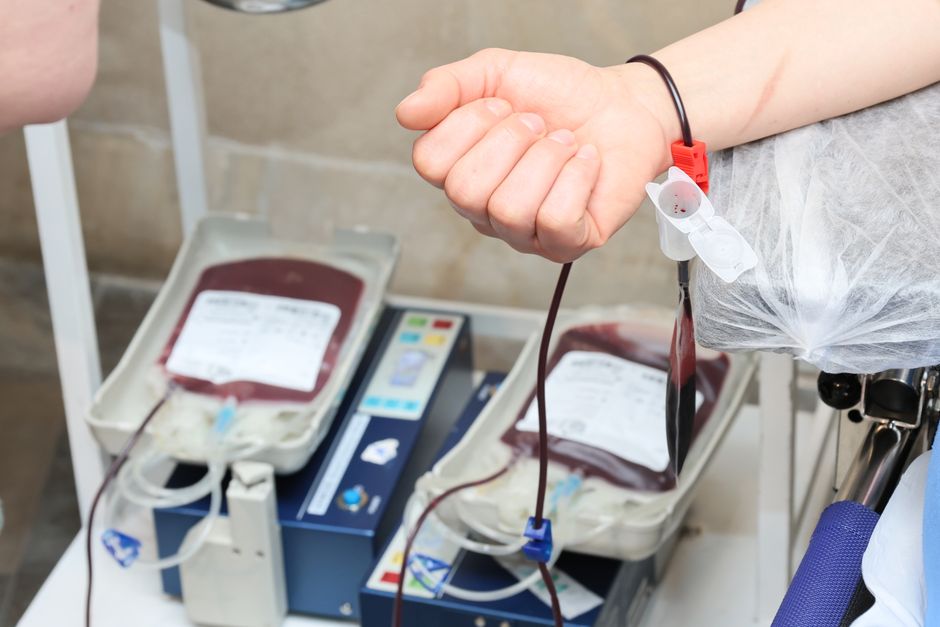
Blood is a living tissue, and once it leaves the body it begins to change almost immediately. To preserve it for transfusion, blood banks cool it, add chemical solutions that keep red cells alive and functioning, and test and store each unit under strict conditions. Different blood components — red cells, plasma, and platelets — are preserved in different ways because each one has different needs and different shelf lives.
The short version: red blood cells are typically stored for up to 42 days at about 39.2°F (4°C), plasma is frozen and can last about a year, and platelets are stored at room temperature and last only about 5 to 7 days. Each of those numbers comes from established blood banking standards, not guesswork.
Why Does Blood Need to Be Preserved at All?
Blood outside the body starts to deteriorate within hours. Red cells are the main reason preservation matters, because they carry oxygen and are the component most often transfused.
Once blood is collected, red cells continue consuming glucose and producing waste. Without intervention, they lose energy, their membranes stiffen, and they begin to break down. Preserving blood means slowing that process enough that the cells still work when they reach a patient.
The goal is not to keep blood exactly as it was inside the body. It is to keep enough red cells alive and functioning to restore oxygen-carrying capacity in someone who needs it. That distinction matters. Stored blood is not identical to fresh blood, and the changes that happen during storage are well documented.
How Blood Is Preserved For Transfusions Using Cold Storage
Cold is the foundation of blood preservation. Refrigeration slows the chemical reactions that break down red cells, which extends their usable life from hours to weeks.
Red blood cells are stored between about 33.8°F and 42.8°F (1°C to 6°C). This range is cold enough to slow metabolism but not so cold that the cells freeze and rupture. The temperature is monitored continuously, because even small deviations can affect how well the cells survive.
Cold storage has limits. It slows deterioration but does not stop it. Over time, red cells undergo what blood bankers call the “storage lesion” — a collection of changes that includes loss of some membrane flexibility, a drop in a molecule called 2,3-DPG that helps release oxygen to tissues, and a rise in potassium leaking out of the cells. These changes are largely reversed in the body after transfusion, which is why stored blood still works.
What Preservative Solutions Are Added to Blood?
Refrigeration alone is not enough. Blood banks add preservative solutions that feed the red cells and stabilize them during storage.
These solutions contain nutrients and chemicals that serve specific purposes:
- Dextrose gives red cells a fuel source so they keep producing energy.
- Citrate prevents clotting by binding calcium, which clotting depends on.
- Phosphate helps maintain the cell’s energy metabolism.
- Adenine supports the molecule that red cells use to store energy, which extends shelf life.
The most common solutions used today are known by abbreviations like CPDA-1, AS-1, AS-3, and AS-5. The “AS” stands for additive solution. Adding these solutions to red cells is what allows storage for up to 42 days under standard conditions. Before additive solutions, storage times were shorter.
This is one of the less obvious points about blood banking: the shelf life of red cells is not a natural limit. It is a limit set by how well the preservative solution and storage conditions keep the cells viable, balanced against how well those cells perform after transfusion.
How Are Plasma and Platelets Preserved Differently?
Plasma and platelets cannot be stored the same way as red cells. Their biology is different, so their preservation is different too.
Plasma is the liquid part of blood. It contains clotting factors and other proteins. It is frozen quickly after collection and stored at around -18°F (-30°C) or colder. Frozen plasma can be kept for about a year, depending on the facility and the specific product. Once thawed, it must be used within a limited window, generally within 24 hours.
Platelets are the trickiest component. They are stored at room temperature — typically around 68°F to 75°F (20°C to 24°C) — because cold causes them to activate and lose function. Room temperature storage allows bacterial growth, so platelets have the shortest shelf life of all, usually about 5 to 7 days. They are also kept gently agitated to prevent them from clumping.
Here is a simple comparison:
| Component | Storage Temperature | Typical Shelf Life |
|---|---|---|
| Red blood cells | 33.8°F to 42.8°F (1°C to 6°C) | Up to 42 days |
| Plasma | About -18°F (-30°C) or colder | About 1 year frozen |
| Platelets | 68°F to 75°F (20°C to 24°C) | About 5 to 7 days |
How Long Can Blood Really Be Stored?
Red blood cells can be stored for up to 42 days under standard conditions. That is the widely used limit in the United States and many other countries, based on how well the cells survive and function after transfusion.
But shelf life is not the same as quality. Research has looked at whether older stored blood performs as well as fresher blood. Some studies suggest that transfusing older blood is not associated with worse outcomes in most patients, while other research has raised questions about specific groups. The evidence is mixed, and the question of optimal storage age for particular patients remains an area of ongoing study.
What is clear is that the 42-day limit is a regulatory and clinical standard, not a claim that blood at day 41 is identical to blood at day 1. The standard exists because stored blood within that window has been shown to work safely and effectively for the patients who need it.
What Testing Happens Before Blood Is Stored?
Preservation includes more than temperature and chemicals. Every unit of donated blood is tested before it is stored for transfusion.
Blood banks screen for infectious diseases, including HIV, hepatitis B and C, and other pathogens, using laboratory tests. They also determine the donor’s blood type and Rh factor so the unit can be matched to a compatible recipient.
Testing does not stop at the donor. The unit is labeled with its type, its components, and its expiration date. Throughout storage, blood banks track temperature and monitor for any signs of contamination or spoilage. Platelets, because they are stored at room temperature, get extra attention for bacterial contamination, which is a recognized risk with room-temperature storage.
What Happens to Blood When It Is Transfused?
Stored blood does not stay changed forever. Once transfused, many of the storage-related changes reverse.
Red cells that lost some 2,3-DPG during storage regain it in the bloodstream, which restores their ability to release oxygen to tissues. Potassium that leaked out during storage moves back into the cells. The cells that survived storage continue circulating and functioning.
Not every stored cell survives. Some red cells are lost during storage and after transfusion, which is part of why the shelf life is limited. But the cells that do survive are enough to help a patient who needs them. This is the practical bottom line of blood preservation: it is not about keeping every cell perfect. It is about keeping enough of them working long enough to help.
Why Does Blood Preservation Matter for Patients?
Blood preservation is what makes modern transfusion possible. Without it, blood could only be used within hours of donation, and most transfusions would be impossible to plan.
Preservation allows blood banks to collect, test, store, and distribute blood across regions and over time. It allows hospitals to keep units on hand for emergencies, surgeries, and patients with conditions like anemia or blood loss. It also allows blood to be separated into components so that one donation can help more than one person.
The system is not perfect. Platelets expire quickly, which creates constant pressure on supply. Red cells have a fixed shelf life that requires steady donation. And storage itself causes changes that researchers continue to study. But the core methods — cold, preservative solutions, and careful testing — are well established and form the backbone of blood banking worldwide.
Frequently Asked Questions
How long can donated blood be stored?
Red blood cells can be stored for up to 42 days at refrigerated temperatures. Plasma can be frozen for about a year, while platelets last only about 5 to 7 days because they are stored at room temperature.
What temperature is blood stored at for transfusion?
Red blood cells are stored between about 33.8°F and 42.8°F (1°C to 6°C). Plasma is frozen at around -18°F (-30°C) or colder, and platelets are kept at room temperature, roughly 68°F to 75°F (20°C to 24°C).
What is added to blood to preserve it?
Preservative solutions contain dextrose for energy, citrate to prevent clotting, phosphate, and adenine to extend shelf life. These additive solutions are what allow red cells to be stored for up to 42 days.
Does stored blood still work as well as fresh blood?
Stored blood within its approved shelf life works safely and effectively for most patients. Some changes happen during storage, but many reverse after transfusion, and research on whether fresher blood improves outcomes has shown mixed results.
