
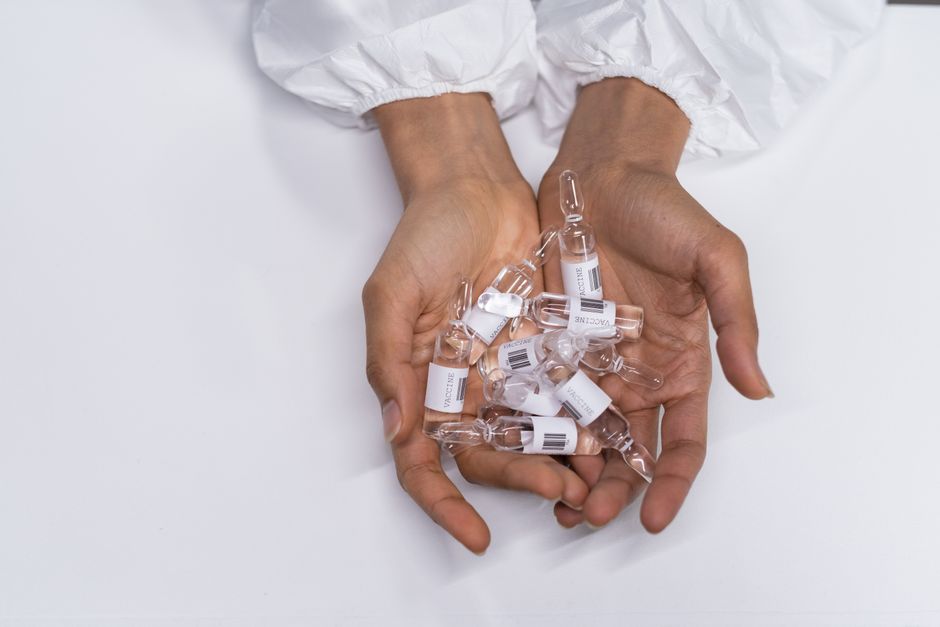
Biotechnology is the use of living systems, cells, or biological molecules to make products and solve problems. It is already part of daily life in the United States — in the insulin some people inject, the mRNA vaccines that reshaped how quickly vaccines can be developed, the cotton in a T-shirt, and the enzymes that make some laundry detergents work at low temperatures. How biotechnology is shaping society comes down to a simple fact: it has moved from the laboratory into medicine, agriculture, manufacturing, and law, and the decisions it forces on us are no longer only scientific. They are also ethical, economic, and personal.
What Is Biotechnology, Exactly?
Biotechnology is any use of biological systems to create a product or service. That definition is deliberately broad, because the field is broad.
People often assume biotechnology began with gene editing. It did not. Humans have used living organisms to make useful things for thousands of years. Yeast rising bread and bacteria turning milk into yogurt are biotechnology in its oldest form. What changed in the twentieth century was the ability to manipulate biology deliberately rather than simply harness it.
The field is commonly divided into a few overlapping areas:
- Medical biotechnology — medicines, vaccines, diagnostic tests, and gene-based therapies.
- Agricultural biotechnology — crops engineered for traits such as pest resistance or drought tolerance.
- Industrial biotechnology — enzymes, biofuels, and chemicals made using microbes instead of petroleum.
- Environmental biotechnology — using organisms to clean up pollution or treat waste.
These categories matter because the evidence behind them is not equally strong. Medical biotechnology rests on decades of clinical trials. Some industrial applications are well established; others are still scaling up. It helps to judge each area on its own record rather than treating “biotechnology” as one thing.
How Is Biotechnology Changing Medicine?
Medicine is where biotechnology has had the clearest and most measurable impact. Insulin produced by genetically modified bacteria replaced insulin extracted from animal pancreases starting in the 1980s, and it remains the standard today. This was one of the first major commercial successes of modern genetic engineering.
The same basic approach — inserting a human gene into a microbe or cell so it produces a human protein — now underlies a large share of modern medicines, including certain hormones, blood-clotting factors, and monoclonal antibodies used in cancer and autoimmune treatment.
Vaccines are a second major shift. Some newer vaccines use mRNA, a molecule that instructs cells to make a specific protein so the immune system can learn to recognize it. This platform allows much faster design than traditional methods, which is why it drew so much attention during the COVID-19 pandemic. The technology itself had been studied for years before that.
Gene-based medicine is the most debated frontier. A small number of gene therapies have been approved for specific rare diseases, and some have shown real benefit in patients with few other options. But the field is young. Long-term durability, cost, and access remain open problems, and it would be inaccurate to describe gene therapy as a general solution for common diseases.
How Does Biotechnology Affect Food and Farming?
Agricultural biotechnology is where public opinion is most divided, even though the science is relatively well studied.
Some crops have been modified to resist specific insects or tolerate certain herbicides. Others have been modified for traits like slower browning or resistance to plant viruses. In the United States, these crops have been part of the food supply for decades, and major scientific bodies have concluded that approved genetically engineered foods are as safe to eat as their conventional counterparts.
That safety conclusion is not the same as saying the technology has no broader effects. Questions about herbicide use, seed costs for farmers, and concentration in the seed industry are legitimate and are still debated. They are economic and environmental questions, not primarily questions about whether the food itself is safe.
One clarification worth making: “genetically modified” and “gene-edited” are not identical. Older techniques insert genes from other species. Newer editing tools can make precise changes to a plant’s own DNA without adding foreign genes. Regulators in different countries treat these categories differently, and that gap is a live policy issue.
What About Industrial and Environmental Uses?
Less visible but commercially significant, industrial biotechnology uses microbes and enzymes to make products that were once made from petroleum.
Enzymes are added to some detergents so they can clean effectively at lower temperatures, which reduces energy use. Microbes are used to produce certain chemicals, plastics precursors, and biofuels. Some of these processes are cheaper and cleaner than the petrochemical routes they replace. Others are not yet cost-competitive at scale, and that gap is real.
Environmental applications include using bacteria and plants to break down or absorb pollutants. This is a genuine area of research, but the evidence for large-scale field success is mixed. Lab results do not always translate to contaminated sites with complex conditions.
What Are the Ethical Concerns?
The ethical questions are not side issues. They are central to how biotechnology shapes society.
Gene editing in human embryos is the most closely watched. Scientific bodies have broadly called for a halt to editing that would be inherited by future generations, on the grounds that the safety and ethical questions are unresolved. Editing of non-inherited cells in a consenting patient for a serious disease is a different category, and some of those therapies are approved.
Other concerns are more immediate:
- Privacy — genetic data reveals information about relatives who never consented to testing.
- Access — many advanced therapies are extremely expensive, raising questions about who benefits.
- Equity — if enhancements become available only to those who can pay, existing inequalities could widen.
- Consent — people may not fully understand what a genetic test or therapy involves.
These are not hypothetical. Genetic privacy laws in the United States are uneven, and the cost of some gene therapies runs into the millions of dollars per patient. Whether insurance should cover them is an active debate.
How Is Biotechnology Regulated?
Regulation in the United States is split across several agencies rather than handled by one body. The Food and Drug Administration oversees medicines, vaccines, and most medical devices. The Environmental Protection Agency regulates certain genetically engineered organisms released into the environment. The Department of Agriculture oversees agricultural crops.
This split has been criticized as slow and inconsistent, particularly as gene-editing tools blur the lines between categories. Some newer products do not fit neatly into the older rules, and agencies have had to adapt.
Internationally, rules vary widely. Some countries restrict genetically engineered crops heavily; others permit them. This means the same product can be legal in one country and not another, which complicates trade and makes it hard to generalize about “global” policy.
What Should the Public Understand?
Biotechnology is neither a single breakthrough nor a single threat. It is a set of tools, and their value depends entirely on what they are used for and how well they are tested.
Two things are worth keeping separate in your mind. The first is whether a specific technique works and is safe — a scientific question with evidence. The second is whether using it is wise, fair, or desirable — a values question that science alone cannot answer. Confusing the two is the source of much of the public argument.
Marketing language often blurs this line. Claims that a product is “natural” or “engineered” say nothing about whether it is safe or effective. The reverse is also true. A technology being new does not make it dangerous, and it does not make it good.
The most reliable approach is to ask three questions about any biotech claim: What is the specific product? What does the evidence show? Who benefits, and who carries the risk? Those questions cut through most of the noise.
Frequently Asked Questions
Is biotechnology the same as genetic engineering?
No. Genetic engineering is one part of biotechnology, which also includes older methods like using yeast and bacteria to make food and medicine. Biotechnology is the broader category.
Are genetically modified foods safe to eat?
Major scientific bodies have concluded that approved genetically engineered foods are as safe to eat as conventional foods. Questions about farming economics and herbicide use are separate from food safety.
Has gene therapy been proven to cure diseases?
A small number of gene therapies have been approved for specific rare diseases and have shown benefit in some patients. It is not a proven general cure for common diseases, and long-term results are still being studied.
Who regulates biotechnology in the United States?
Several agencies share the role, including the FDA for medicines and vaccines, the EPA for certain environmental releases, and the USDA for agricultural crops. Rules differ by country.
