
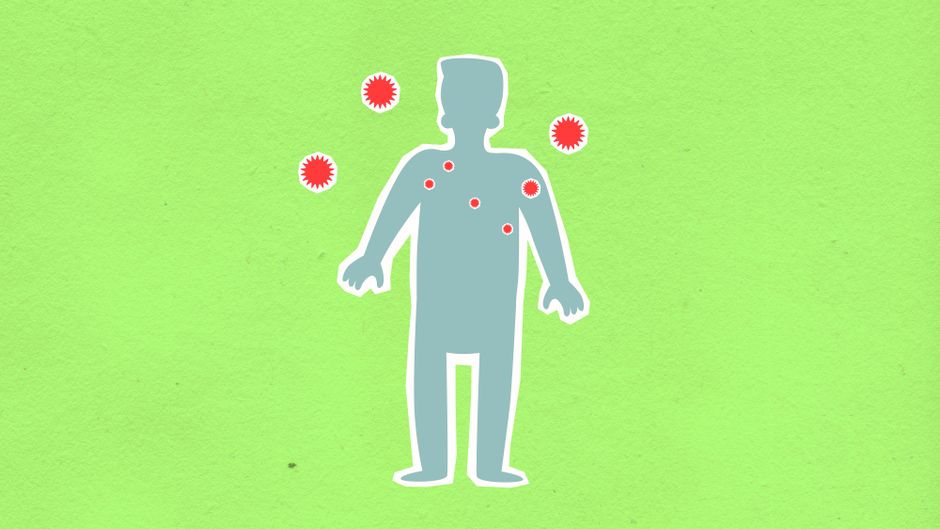
Staph infections spread mainly through direct skin-to-skin contact, and through contact with contaminated hands, surfaces, or objects. The bacteria behind most of these infections, Staphylococcus aureus, lives harmlessly on the skin or in the nose of roughly 30% of people at any given time. Those carriers can pass the bacteria to others without ever being sick themselves. That quiet carriage is a big part of why staph infections are so common and so hard to avoid entirely.
How Are Staph Infections Contagious?
Staph bacteria move from person to person in three main ways: direct touch, contact with contaminated objects, and exposure to infected wounds or drainage.
The most common route is skin-to-skin contact. This is why staph spreads easily in settings where people touch a lot or share equipment — contact sports like wrestling, gyms, locker rooms, and households where someone has an active infection. The bacteria get into the body through a break in the skin: a cut, scrape, insect bite, or even a tiny crack you cannot see.
The second route is indirect. Staph bacteria can survive on dry surfaces for days to weeks, depending on the surface and conditions. Towels, razors, sheets, gym mats, and shared athletic gear can all carry the bacteria. Touching those objects and then touching your own skin — especially broken skin — can start an infection.
The third route involves wound drainage. Pus or fluid from an infected sore is loaded with bacteria. It can contaminate hands, clothing, and surfaces. This is why covering an infected wound matters, both for the person who has it and for everyone around them.
One detail people often miss: S. aureus is not spread through the air the way a cold virus is. You do not catch a staph skin infection by sitting near someone who has one. It needs a route in — usually hands, skin contact, or a contaminated object.
Can You Catch Staph From Someone Who Has No Symptoms?
Yes. This is one of the most important facts about staph, and one of the least understood.
A large share of people carry S. aureus on their skin or in their nose without any infection at all. This is called colonization. Colonized people are not sick and often have no idea they carry the bacteria. But they can still pass it to others through the same routes — touch, shared objects, and close contact.
Carriage is not permanent for everyone. Some people carry staph for a period and then clear it. Others carry it long term. The bacteria can also live in the nose, armpits, groin, and other skin folds, which is why some infection-prevention approaches focus on those areas.
This is where a lot of confusion comes from. People assume staph only spreads when someone is visibly infected. In reality, a person with no symptoms and no wound can be the source of someone else’s infection.
Which Settings Make Staph Spread More Likely?
Staph spreads wherever people are in close contact, share equipment, or have skin-to-skin exposure. Certain environments concentrate those conditions.
- Contact sports. Wrestling, football, rugby, and other sports with skin contact and shared gear are well-documented settings for staph skin infections.
- Gyms and locker rooms. Shared benches, mats, and equipment, combined with sweat and small skin breaks, create opportunity for spread.
- Households. When one person has an active infection, family members face higher risk through shared towels, bedding, and close contact.
- Healthcare settings. Hospitals and clinics are a major setting for staph infections, including serious antibiotic-resistant strains. This is a well-established concern in infection control.
- Correctional facilities, military barracks, and dormitories. Crowded living with shared facilities has been linked to outbreaks of skin infections.
In each case, the mechanism is the same: close contact, shared items, and skin that gives the bacteria an entry point.




What Makes Some Staph Infections More Serious?
Most staph skin infections stay on the skin and cause boils, abscesses, or redness around a wound. Some become invasive, meaning the bacteria get deeper into the body — into the bloodstream, joints, bones, or organs. Invasive staph infections can be life-threatening and require prompt medical care.
The single biggest factor that changed staph infections in recent decades is antibiotic resistance. Methicillin-resistant Staphylococcus aureus, known as MRSA, is resistant to several common antibiotics. MRSA can cause skin infections in otherwise healthy people, and it can also cause serious invasive infections, especially in healthcare settings.
Certain factors raise the risk of a more serious course, including a weakened immune system, recent surgery, implanted medical devices, and hospitalization. These are general risk categories, not a prediction for any one person.
What matters for readers is this: a staph skin infection that is spreading, getting worse quickly, or accompanied by fever needs medical attention. That is not a reason to panic — it is a reason to be seen.
How Do You Reduce the Spread of Staph?
Hand hygiene is the single most effective step. Washing with soap and water, or using an alcohol-based hand sanitizer when soap is not available, removes or kills bacteria picked up from surfaces and other people.
Beyond handwashing, several practical steps reduce spread:
- Keep cuts, scrapes, and wounds clean and covered with a bandage until healed.
- Do not share towels, razors, clothing, or athletic equipment.
- Shower after contact sports and gym sessions.
- Wipe down shared gym equipment before and after use.
- Wash bedding and towels regularly, especially if someone in the home has an infection.
- Avoid touching other people’s wounds or drainage.
If someone in a household has an active staph infection, these steps matter more, not less. Some clinicians also recommend specific decolonization approaches — such as nasal ointment or special soaps — for people with recurrent infections. That is a clinical decision, and it should be made with a healthcare provider rather than self-prescribed.
When Should You See a Doctor?
See a healthcare provider for a skin infection that is spreading, getting worse, or not improving. Also seek care if you develop a fever with a skin infection, or if redness spreads quickly.
Some signs warrant urgent care: a wound that is rapidly expanding, severe pain, a high fever, or feeling generally very unwell. Staph can move from a skin problem to a serious infection, and early treatment makes a real difference.
Do not try to drain a boil or abscess at home. Squeezing or cutting into an infected area can push bacteria deeper and spread the infection. Drainage of an abscess is a procedure that should be done by a healthcare professional.
One more point on antibiotics: they do not treat viral infections, and using them when they are not needed contributes to resistance. When a provider does prescribe antibiotics for a staph infection, finishing the course as directed matters.
Frequently Asked Questions
Can you catch a staph infection from a toilet seat?
Staph bacteria can survive on surfaces, but the risk from a toilet seat is low because the bacteria need a break in the skin to cause infection. Normal handwashing after using the bathroom is the practical protection.
Is a staph infection contagious before symptoms appear?
Yes. People who carry staph on their skin or in their nose without symptoms can still pass the bacteria to others. That is one reason staph spreads even when no one appears sick.
How long is a staph infection contagious?
A person can spread staph as long as they carry the bacteria, which for some people is ongoing even after an infection clears. There is no fixed contagious period that applies to everyone.
Can you get a staph infection from a gym?
Yes, gyms are a recognized setting for staph skin infections because of shared equipment, sweat, and small skin breaks. Wiping down equipment and showering after workouts reduce the risk.
