
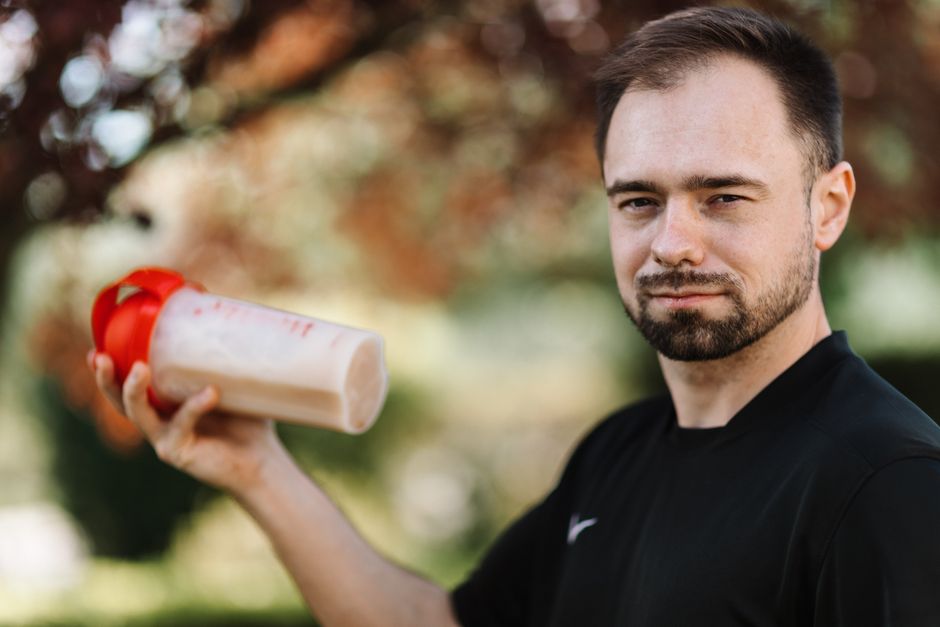
Protein shakes start as milk or plants, get filtered to concentrate the protein, then get dried into a powder, mixed with flavor and additives, and sealed into a tub or bottle. The exact path depends on the source — dairy, soy, pea, or rice — but every method follows the same basic idea: separate protein from everything else, dry it, and package it. What ends up in the scoop is not just protein. It is a formulated food product with dozens of decisions behind it.
Where Does the Protein in Protein Shakes Actually Come From?
Most protein powders begin with one of two raw materials: cow’s milk or a plant. Whey and casein come from milk. Soy, pea, rice, and hemp come from plants. The source determines almost everything that follows — the filtering method, the taste, the texture, and the amino acid profile.
Milk is the starting point for the majority of protein powders sold in the US. When cheese is made, milk separates into curds and a watery liquid called whey. For decades that whey was treated as waste. Today it is the raw material for whey protein concentrate and isolate. Casein, the other milk protein, is what remains in the curd and can also be extracted and dried.
Plant proteins take a different route. Pea protein comes from yellow split peas. Soy protein comes from defatted soy flakes left after soybean oil is extracted. Rice protein comes from brown rice. Each plant source has a different amino acid profile, which matters because the human body needs all nine essential amino acids in adequate amounts to build muscle.
One clarification worth making: “plant protein” is not automatically “complete protein.” Soy is a complete protein. Pea is close but lower in methionine. Rice is low in lysine. That is why many plant-based powders blend two or more sources — the combination fills in the gaps.
How Is Whey Protein Extracted and Processed?
Whey arrives at the processing plant as a dilute liquid — roughly 90 to 95 percent water. The job of the plant is to remove that water and concentrate the protein.
The first step is usually filtration. Large-scale producers use a method called ultrafiltration, which pushes the liquid through membranes with pores small enough to hold back protein while letting water, lactose, and minerals pass through. What stays behind is a concentrated protein solution.
From there, the protein is dried. Spray drying is the standard method. The concentrated liquid is forced through a nozzle into a tall chamber of hot air. Water evaporates almost instantly, and the protein falls to the bottom as a fine powder. The whole process takes seconds.
Two main whey products come out of this:
- Whey protein concentrate — typically 70 to 80 percent protein by weight, with some lactose and fat remaining
- Whey protein isolate — processed further to reach 90 percent protein or higher, with most lactose and fat removed
Isolate costs more because it takes more processing. People who are lactose intolerant often tolerate isolate better than concentrate, though this varies. Neither is “better” in a universal sense — the difference is purity and price, not a difference in how the protein builds muscle.
How Are Plant Proteins Turned Into Powder?
Plant protein processing starts with a flour or meal. For pea protein, dried yellow peas are ground, and the starch and fiber are separated out using water, screens, and sometimes centrifuge equipment. What remains is a protein-rich fraction that gets dried into powder.
Soy protein is usually made by removing oil from soybeans, then treating the remaining flakes with water or mild acid to isolate the protein. The result is soy protein isolate or soy protein concentrate.
Rice protein is made by treating brown rice with enzymes that break down starch, then filtering and drying what is left.
Plant proteins are harder to work with than whey in some ways. They tend to be grittier, absorb water differently, and have a stronger natural flavor. That is a manufacturing problem, not a nutrition problem — and it is one reason plant powders often contain more flavoring and texture agents than whey powders do.





What Else Goes Into the Tub?
A tub labeled “protein powder” is rarely just protein. The ingredient list on the back tells the real story.
Common additions include:
- Flavorings — natural or artificial, often a blend of several compounds to mimic vanilla, chocolate, or fruit
- Sweeteners — sugar, sucralose, stevia, monk fruit, or others
- Lecithin — usually sunflower or soy lecithin, added so the powder mixes into liquid instead of clumping
- Gums and thickeners — xanthan gum, cellulose gum, or carrageenan to improve texture
- Added amino acids — sometimes extra leucine or a full amino acid blend
- Vitamins and minerals — added to some products for marketing or to replace what was lost in processing
Some products also contain digestive enzymes or probiotics. The evidence for these additions is mixed. Some small studies suggest certain enzymes may reduce bloating in some people, but results vary and the effect is not consistently reproduced.
What you will not find in most protein powders is a meaningful amount of anything else. Protein powder is a processed food. That is not a criticism — it is just accurate.
How Does the Powder Get Into the Bottle or Tub?
After the protein is dried and blended with additives, it moves to a filling line. Large blenders mix thousands of pounds at a time. The finished blend is tested for protein content, moisture, and microbial safety before packaging.
Filling machines measure powder by weight into tubs, pouches, or single-serve packets. A metal detector and sometimes an X-ray scanner check each container for foreign objects. Tubs are then sealed, labeled, and palletized for shipping.
Ready-to-drink protein shakes — the kind sold in bottles — follow a different path. The protein is dissolved in water, flavored, homogenized, and then heat-treated to kill bacteria. That heat treatment is why bottled shakes can sit on a shelf for months without refrigeration. The trade-off is that heat can slightly change the texture and taste compared to powder you mix yourself.
Does Processing Change How the Protein Works in Your Body?
For the most part, no — but there are real differences worth knowing.
Whey protein is absorbed quickly. Casein is absorbed slowly and forms a gel in the stomach. That difference is well established and is why some people use whey after exercise and casein before bed. Whether that timing matters for real-world results is debated. Total daily protein intake appears to matter more than timing for most people.
Plant proteins generally digest at a rate between whey and casein. Their amino acid profiles differ, which is why blends are common. A pea-rice blend can provide a complete amino acid profile even though neither source is complete alone.
Processing does reduce some naturally occurring compounds. Whey concentrate retains more of the minor milk components than isolate. Whether those components provide meaningful benefits in humans is not well established. Claims about immune support or gut health from specific protein fractions are mostly based on early research, not confirmed outcomes.
What is well established: protein powder is a convenient way to add protein to your diet. It is not a requirement for muscle growth. Whole foods can do the same job. Powder is simply easier to carry, store, and mix.
What Should You Look For on a Label?
The label tells you more than the front of the tub. A few things are worth checking.
Protein per serving is the first number. A scoop might say 30 grams of protein, but the scoop size can vary widely between brands — some are 30 grams of powder, some are 40. Check the serving size against the protein number.
Third-party testing matters more than most marketing claims. Protein powders are regulated as dietary supplements in the US, not as drugs. That means they do not need FDA approval before being sold. Independent testing programs verify that what is on the label is in the tub and that heavy metals or other contaminants are below certain limits. Not every brand participates.
Added sugars and sugar alcohols are worth noting if you are watching either. Some powders contain several grams of added sugar per scoop. Others use sugar alcohols that can cause digestive discomfort in some people at higher doses.
None of this makes protein powder unsafe. It makes it a product worth reading before you buy.
Frequently Asked Questions
Is protein powder made from real milk?
Whey and casein protein powders are made from cow’s milk, specifically the liquid left over during cheese production. Plant-based powders are made from peas, soy, rice, or other plants instead.
How is whey protein turned into powder?
Whey liquid is filtered to concentrate the protein, then spray-dried into a fine powder. The powder is blended with flavorings and other ingredients before packaging.
Is protein powder heavily processed?
Yes — protein powder is a processed food, and most products go through multiple steps of filtering, drying, and blending. That does not make it unhealthy, but it does mean the ingredient list is worth reading.
Do protein shakes work as well as whole food protein?
For total daily protein intake, protein powder can contribute to meeting your needs similarly to whole foods. Whole foods also provide other nutrients that powder does not, so most guidance suggests using powder as a supplement, not a replacement.
