
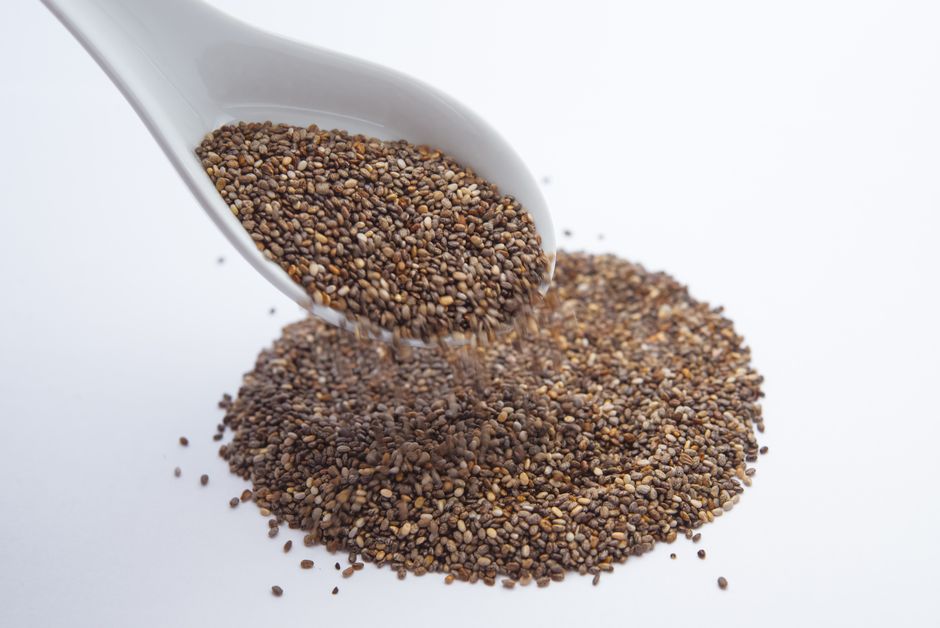
Chia seeds are small black or white seeds from the Salvia hispanica plant, and they earn their reputation mostly through three things: fiber, alpha-linolenic acid (a plant omega-3), and a long list of minerals. A single ounce — about two tablespoons — delivers roughly 10 grams of fiber, 5 grams of plant omega-3, 5 grams of protein, and meaningful amounts of calcium, magnesium, and phosphorus. Those are real numbers from USDA nutrient data, not marketing copy. What they mean for your health is more specific than most people realize, and worth getting right.
What Nutrients Do Chia Seeds Actually Contain?
The nutrition profile is the foundation of every health claim made about chia. According to USDA FoodData Central, one ounce (28 grams) of dry chia seeds contains about 138 calories, 10 grams of fiber, 5 grams of protein, 9 grams of fat, and 12 grams of carbohydrate. Most of that fat is polyunsaturated, and the majority of it is alpha-linolenic acid (ALA).
That ounce also provides roughly 179 mg of calcium, 95 mg of magnesium, 244 mg of phosphorus, and smaller amounts of iron, zinc, and potassium. For context, a cup of milk has around 300 mg of calcium, so chia is a meaningful plant source but not an equivalent one.
The fiber deserves attention because it is unusual. Chia is roughly 34 percent fiber by weight, which is high even among seeds. About three-quarters of that fiber is insoluble and the rest is soluble. When chia meets liquid, the soluble fiber forms a gel that can hold many times the seed’s weight in water. That gel behavior explains most of chia’s practical effects in the body.
How Are Chia Seeds Healthy for Digestion and Blood Sugar?
The fiber in chia does two things at once. Insoluble fiber adds bulk and helps move material through the colon. Soluble fiber slows the rate at which food leaves the stomach and how quickly glucose enters the bloodstream.
Several small human studies have found that adding chia to a meal or a glucose drink blunts the post-meal blood sugar rise compared with the same meal without chia. The effect is modest and not consistent across every study. Chia is not a treatment for diabetes and does not replace medication, but it is a reasonable fiber source for people watching blood sugar.
On digestion, the picture is mixed. Fiber helps many people stay regular, but chia can also cause bloating, gas, or constipation if you eat a lot of it without enough fluid. Dry chia absorbs water from whatever it touches. If you eat a large dry spoonful and drink nothing, it can pull moisture from your digestive tract and make things worse, not better. Always eat chia with liquid or let it hydrate first.
Does Chia Lower Cholesterol or Help the Heart?
This is where claims often outrun evidence. Chia contains ALA, a plant omega-3 fat. The body converts ALA to EPA and DHA — the omega-3s found in fish — but the conversion rate is low, generally estimated in the single digits to low double digits as a percentage. So chia is not a substitute for fatty fish or fish oil when it comes to EPA and DHA.
Some controlled trials have looked at chia and blood lipids. Results have been mixed. A few found small reductions in triglycerides or LDL cholesterol; others found no meaningful change. The evidence does not support the idea that chia meaningfully lowers cholesterol on its own.
What is well established is that a diet high in soluble fiber is associated with lower cardiovascular risk. Chia contributes to that fiber intake, which is a real benefit. It is not a standalone heart remedy.

Is Chia Good for Weight Management?
Chia absorbs water and expands, which can increase a feeling of fullness. That is the logic behind most weight-loss claims. The clinical evidence is weaker than the logic suggests.
A small number of trials have tested chia for weight loss. Most found no significant difference in body weight compared with a control group, even when chia was added to the diet. Some participants reported feeling fuller, but that did not reliably translate into eating less or losing weight over the study period.
Chia can still fit into a weight-management eating pattern. It adds fiber and protein, both of which support satiety, and it works well in yogurt, oatmeal, or smoothies in place of less nutritious toppings. It is a useful ingredient, not a weight-loss tool.
What About Omega-3s and Inflammation?
ALA is an essential fatty acid, meaning the body cannot make it and it must come from food. Chia is one of the richest plant sources. Getting enough ALA is associated with general cardiovascular health in observational research.
Whether chia specifically reduces inflammation in humans is less clear. Some studies show markers of inflammation improving with chia intake, others show no change. The evidence is not strong enough to claim chia is anti-inflammatory in a clinical sense.
If your goal is omega-3 intake for heart or joint health, the more direct route is EPA and DHA from fish or algae-based supplements, where the evidence base is larger. Chia is a good addition to overall fat quality in the diet, not a replacement for those sources.
How Should You Eat Chia Seeds?
Chia can be eaten raw, soaked, or ground. Whole seeds pass through the digestive tract partly intact, so grinding them can improve absorption of some nutrients. That said, whole chia still delivers fiber and much of its fat, so either form works.
A common starting point is one to two tablespoons per day. That is within the range used in most studies and provides a meaningful fiber boost without overwhelming the gut. If you currently eat very little fiber, start smaller — a teaspoon — and increase over a week or two. Jumping straight to a large daily dose is the most common reason people report digestive discomfort.
Hydration matters. For every tablespoon of dry chia, drink a glass of water or mix the seeds into a wet food like yogurt, soup, or a smoothie. Let them sit for at least 10 to 15 minutes if you want them fully gelled. Chia pudding, made by soaking seeds in milk or a plant beverage overnight, is one of the easiest ways to get the gel texture without the dryness.
Chia is generally well tolerated. People with dysphagia — difficulty swallowing — should be cautious, because dry chia can clump and pose a choking risk. Anyone on blood thinners or with a bleeding disorder should talk to a clinician before adding large amounts, since ALA can affect platelet function at high intakes, though the effect at typical food amounts is small.
Are There Downsides or Limits?
Chia is not a superfood in the sense the word is usually used. It is a nutrient-dense seed with a good fiber and fat profile. It does not cure anything, and no large trial has shown it prevents a specific disease.
The main practical limits are digestive. Too much too fast causes bloating and gas. Too little fluid causes constipation. And because chia is calorie-dense — about 138 calories per ounce — it is easy to add more than you intend if you are tracking intake.
There is also a texture and prep issue. Dry chia is gritty and sticks to the mouth. Soaked chia is gelatinous. Some people love it, some do not. If you dislike the texture, grinding the seeds into a flour and adding them to baked goods or oatmeal hides it well.
Frequently Asked Questions
How much chia should I eat per day?
One to two tablespoons per day is a common and well-tolerated amount, and it is within the range used in most research. Start with a teaspoon if your current fiber intake is low, and increase slowly.
Do chia seeds need to be soaked before eating?
No, they can be eaten dry, but soaking improves texture and reduces the risk of digestive discomfort. Always pair dry chia with plenty of fluid.
Can chia seeds replace fish oil for omega-3s?
No. Chia provides ALA, which the body converts to EPA and DHA at a low rate, so it is not an equivalent substitute for fish or algae-based omega-3 sources.
Do chia seeds help with weight loss?
Most controlled trials have not found that chia causes meaningful weight loss on its own. It can support a healthy eating pattern by adding fiber and protein, which help with fullness.
