
Blackheads form when a pore becomes blocked by a mix of dead skin cells and sebum, the oily substance your skin produces to keep itself lubricated. The blocked material stays open to the air, and oxygen in the air reacts with melanin in the debris, turning it dark. That dark color is not dirt, and it is not a sign of poor hygiene. Prevention centers on keeping dead skin cells from piling up inside pores, which is why ingredients like salicylic acid and retinoids are used far more often than scrubbing or harsh cleansers.
What Actually Happens Inside a Pore
A pore is the opening of a hair follicle. Inside each follicle sits a sebaceous gland that releases sebum. Sebum travels up the follicle and out onto the skin surface, where it helps form a barrier that holds in moisture.
That system works well until the lining of the follicle sheds cells faster than usual. Skin cells are constantly turning over, and in some people the dead cells do not separate cleanly from each other. They clump, mix with sebum, and form a plug.
If the plug stays below the surface, covered by a thin layer of skin, it appears as a whitehead. If the pore opening stays wide enough to expose the plug to air, it darkens into a blackhead. Dermatologists call this an open comedo. The darkening is oxidation, similar to how a cut apple browns. It is a chemical reaction, not accumulated grime.
Why Do Some People Get More Blackheads Than Others?
Sebum production is largely driven by hormones. Androgens, which are present in both men and women, signal the sebaceous glands to produce more oil. This is why blackheads and acne in general tend to appear during puberty, and why they can flare around menstrual cycles or with conditions that raise androgen levels.
Genetics also matter. Follicle size, the rate at which skin cells shed, and how much sebum you produce all have a heritable component. If a parent had persistent acne, you are more likely to as well.
Several other factors can contribute:
- Cosmetics and skincare that block pores. Heavy creams, some sunscreens, and certain makeup formulas can trap debris in follicles. Products labeled non-comedogenic are formulated with this in mind, though the term is not tightly regulated.
- Humidity and sweat. Sweat itself does not cause blackheads, but it can change the skin surface and interact with oil and dead cells.
- Friction and occlusion. Helmets, tight collars, and chin straps can push material into pores and irritate follicles.
- Medications. Some drugs, including certain steroids and lithium, are associated with acne flares.
One thing that does not cause blackheads is dirt. Washing more aggressively does not clear them and can make things worse by stripping the skin barrier.
Does Diet Play a Role?
The evidence on diet and acne is real but modest. Some studies suggest that diets with a high glycemic load, meaning lots of rapidly digested carbohydrates, are associated with more acne. Other research has looked at dairy, particularly skim milk, with mixed results. The associations are not strong enough to say that any specific food causes blackheads in a given person.
What is reasonable: if you notice a consistent pattern between a food and your breakouts, it is not unreasonable to test that observation. What is not supported: the idea that sugar or dairy is the root cause for most people. Acne is primarily a hormonal and genetic condition with a follicular component. Diet can influence it at the margins.





How Are Blackheads Treated?
Treatment works by addressing one of the three things that create a blackhead: excess sebum, retained dead skin cells, or the plug itself.
Salicylic acid is a beta-hydroxy acid that is oil-soluble, meaning it can penetrate into the pore. It helps loosen the bonds between dead skin cells so they shed instead of clumping. It is available over the counter in concentrations typically ranging from 0.5% to 2%. It is one of the better-supported over-the-counter options for blackheads specifically.
Retinoids are vitamin A derivatives that normalize how follicle cells turn over. Adapalene, available over the counter in the US at 0.1%, is a synthetic retinoid with a reasonable evidence base for comedonal acne. Prescription retinoids like tretinoin are also used. Retinoids take time to work, often several weeks to a few months, and can cause irritation and sun sensitivity early on.
Benzoyl peroxide is primarily antibacterial and is more useful for inflammatory acne than for blackheads alone, though it is often combined with other treatments.
Physical extraction by a dermatologist or trained esthetician can remove a blackhead. Doing this at home with fingernails or improvised tools risks pushing debris deeper, breaking the follicle wall, and causing inflammation or scarring.
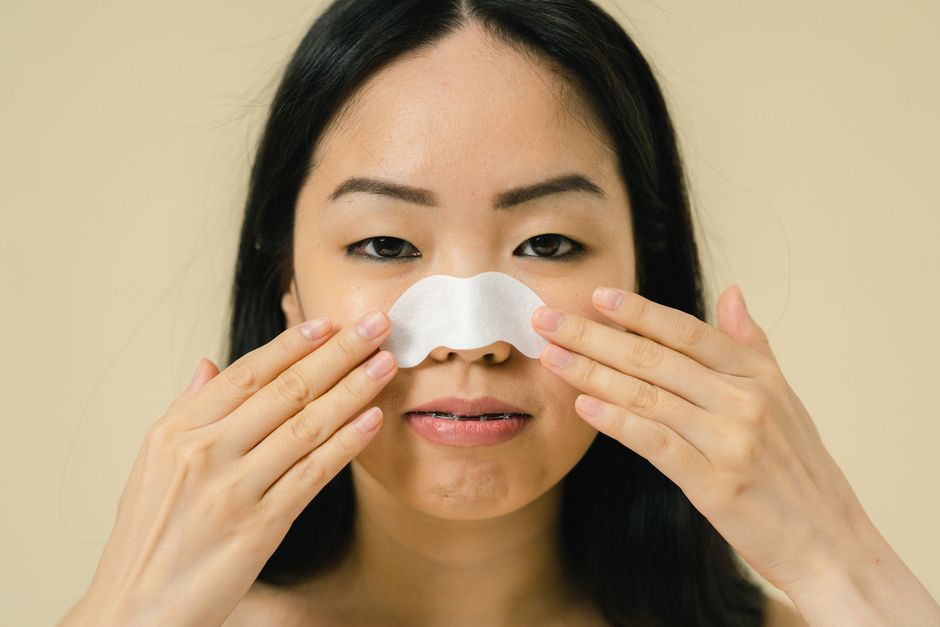
Pore strips remove some surface material and can be satisfying, but they do not address the underlying process. The blackhead typically returns.
How Are Blackheads Caused And How To Prevent Them?
Prevention is not about scrubbing harder. It is about keeping the follicle from clogging in the first place. The strategies below are the ones with the most consistent support.
Use a salicylic acid product regularly. A cleanser or leave-on product containing salicylic acid can help maintain normal shedding inside the pore. Consistency matters more than strength.
Consider a retinoid. For people with recurring blackheads, a retinoid used several nights a week can reduce how often plugs form. Start slowly to limit irritation.
Choose non-comedogenic products. This applies to moisturizers, sunscreens, and makeup. It does not guarantee you will not break out, but it reduces one contributing factor.
Wash gently twice a day. Harsh scrubs, hot water, and frequent washing strip the skin barrier. A damaged barrier can trigger more oil production and more irritation.
Remove makeup and sunscreen before bed. Leaving occlusive products on overnight gives debris more time to accumulate.
Do not pick. This is the hardest rule to follow and the most important. Picking turns a manageable blackhead into a possible infection, dark mark, or scar.
Manage oil where you can. If you sweat heavily, rinse and change out of damp clothing when practical. Shower after workouts.
What does not work: lemon juice, baking soda scrubs, toothpaste, and harsh alcohol toners. These irritate the skin and can damage the barrier without clearing pores.
When to See a Dermatologist
Over-the-counter approaches handle many cases of blackheads. A dermatologist is worth seeing if blackheads are widespread, if they are accompanied by inflamed cysts or nodules, if over-the-counter treatment for a few months has not helped, or if you are developing scars or dark marks that bother you.
Prescription options include stronger retinoids, topical antibiotics, and in some cases oral medications. A dermatologist can also perform safe extraction or recommend procedures like chemical peels, though evidence for peels specifically for blackheads is more limited than for topical retinoids.
One clarification worth making: blackheads and sebaceous filaments are often confused. Sebaceous filaments are normal, thin strands of sebum and cells inside the pore that appear as small gray or yellowish dots, especially on the nose. They are not blackheads, they do not respond the same way to treatment, and they are a normal feature of skin. Trying to eliminate them entirely is not realistic. Many people who think they have blackheads on their nose are actually looking at sebaceous filaments.
Does Prevention Actually Work Long-Term?
For many people, yes, with consistent effort. Blackheads are a chronic tendency in the sense that the underlying factors, oil production and cell turnover, do not disappear. Prevention is maintenance, not a one-time fix.
That means a routine that works needs to be sustainable. A gentle cleanser, a salicylic acid product, a non-comedogenic moisturizer, and sunscreen most days is a reasonable baseline for many people. Adding a retinoid a few nights a week can help if blackheads keep returning. The goal is not perfect skin. It is fewer plugs, less inflammation, and no scarring from picking.
If a routine is causing redness, peeling, or stinging, it is too aggressive. Back off, simplify, and rebuild. Skin that is irritated produces more problems, not fewer.
Frequently Asked Questions
Are blackheads caused by dirty skin?
No. Blackheads form from dead skin cells and sebum plugging a pore, and the dark color comes from oxidation of melanin, not dirt. Overwashing can irritate skin and make the problem worse.
What is the fastest way to get rid of blackheads?
There is no fast, safe fix. Salicylic acid and retinoids are the best-supported options, but they typically take several weeks to show results. Extraction by a professional removes a blackhead immediately, but it does not prevent new ones.
Can I prevent blackheads without medication?
Often yes. Gentle cleansing twice daily, non-comedogenic products, regular use of salicylic acid, and not picking can reduce how often blackheads form for many people. If those steps are not enough, a retinoid or a dermatologist visit is the next step.
Why do blackheads keep coming back?
Because the factors that create them, oil production and the way follicle cells shed, do not go away. Prevention works only while you keep doing it. Stopping treatment usually means blackheads return.
