
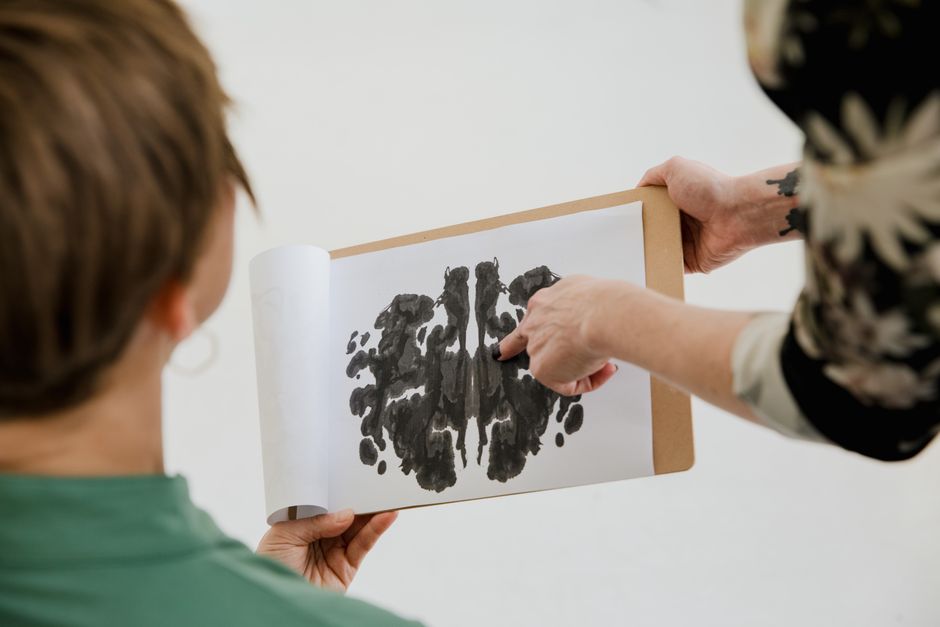
Beliefs are formed through a mix of childhood learning, personal experience, social influence, and emotional need. Your brain builds beliefs as shortcuts to help you make sense of the world quickly. Once a belief forms, it shapes what you notice, remember, and accept as true.
How Are Beliefs Formed The Psychology Of Belief
Belief formation starts early. Children absorb beliefs from parents, teachers, and their cultural environment before they have the reasoning skills to question them. These early beliefs often become the foundation for later thinking.
As you grow, personal experience adds another layer. When something happens to you directly, it carries more weight than something you merely hear about. A person who gets bitten by a dog may form a lasting belief that dogs are dangerous, even if most dogs are friendly.
Emotion also plays a major role. Beliefs that feel comforting or reduce anxiety tend to stick. People often hold onto beliefs because they provide a sense of control, safety, or belonging — not because the evidence is strong.
What Role Does Social Influence Play in Belief Formation?
Humans are social creatures. We look to others to decide what is true, especially when we are uncertain. This is called social proof, and it is one of the strongest forces in belief formation.
Family is the first social influence. Political views, religious beliefs, and even food preferences often come from the household you grew up in. Studies consistently show that most people retain the political and religious affiliations of their parents.
Friends and peers matter too. People adjust their stated beliefs to fit in with their social group. This is not always conscious. The brain rewards agreement with others, making it feel good to share the group’s views.
Media and the internet now play a massive role. When you see the same message repeated across different sources, it starts to feel true. This is known as the illusory truth effect — repetition alone can make a claim seem more credible.
How Does the Brain Process New Information Against Existing Beliefs?
The brain does not process new information neutrally. It filters everything through what you already believe. This is called confirmation bias.
Confirmation bias means you pay more attention to information that supports your beliefs and ignore or dismiss information that challenges them. A person who believes a certain diet works will notice success stories and overlook failures.
When strong evidence contradicts a deeply held belief, the brain can respond with discomfort. This feeling is called cognitive dissonance. To reduce that discomfort, people often rationalize, twist the evidence, or reject the source entirely rather than change their belief.
This is not a character flaw — it is how the brain is wired. Processing every piece of information from scratch would be exhausting. The brain uses shortcuts to save energy, and existing beliefs are among the most powerful shortcuts.





Why Do Some Beliefs Change While Others Stay Fixed?
Not all beliefs are equal. Some are held loosely and can shift with new evidence. Others are deeply tied to identity and resist change.
Beliefs tied to social identity are the hardest to change. If a belief connects to your sense of who you are — your group, your values, your community — challenging that belief feels like an attack on you personally.
Beliefs that were formed through strong emotion are also resistant. Emotional memories are stored differently in the brain and feel more real than factual information. This is why logical arguments often fail to change emotionally charged beliefs.
However, belief change does happen. It usually requires repeated exposure to new information, trusted messengers, and time. A single conversation rarely changes a mind. Gradual shifts are more common than sudden reversals.
What Is the Difference Between Belief and Knowledge?
Knowledge is information supported by evidence that can be verified. Belief is what you accept as true, whether or not the evidence supports it.
You can hold a belief without knowledge. You can also have knowledge that contradicts your belief. For example, someone may know that vaccines are safe based on decades of research, yet still believe they are harmful because of stories they heard online.
This distinction matters because people often treat beliefs as facts. When someone says “I believe climate change is real,” they are usually expressing a conviction, not a statement of evidence. When someone says “climate change is real,” they are making a factual claim.
Understanding this difference helps in everyday life. It explains why debates about politics, health, and religion often go nowhere — the two sides are operating on different standards of evidence.
Can Critical Thinking Reduce False Beliefs?
Critical thinking helps, but it is not a complete defense. Even highly educated people hold false beliefs. Intelligence does not automatically protect against misinformation.
One reason is that critical thinking takes effort. The brain prefers to go with the familiar and the comfortable. Questioning every belief is mentally tiring, so people pick and choose which beliefs to examine.
Another reason is that some false beliefs are socially rewarding. Believing what your group believes brings acceptance. Challenging those beliefs risks rejection. The social cost can outweigh the intellectual benefit.
Some strategies do help. Learning to recognize confirmation bias in yourself is a start. Seeking out information from sources you disagree with can expose you to alternative views. Asking what evidence would change your mind is a useful test of how open you really are.
These strategies work best when practiced regularly. Like any skill, critical thinking improves with use.
How Do Beliefs Affect Health Decisions?
Beliefs directly influence health behaviors. What you believe about medicine, nutrition, and your own body shapes the choices you make.
People who believe in the effectiveness of medical treatments are more likely to follow doctor’s advice. People who distrust the medical system may delay care or avoid it entirely. These patterns have real consequences for health outcomes.
Placebo effects show how powerful belief can be. When people believe a treatment will work, they sometimes experience real improvement even when the treatment has no active ingredient. The belief itself triggers physiological changes in the body.
The opposite also happens. The nocebo effect occurs when negative beliefs produce negative outcomes. People who expect side effects from a medication may experience them even when taking a sugar pill.
Health beliefs are often formed through a combination of personal experience, family stories, and media exposure. A person whose grandmother recovered using a home remedy may trust that remedy more than clinical evidence. This is not irrational from their perspective — their personal history supports the belief.
Frequently Asked Questions
Can people change deeply held beliefs?
Yes, but it usually takes time and repeated exposure to new information. Beliefs tied to identity or strong emotions are the most resistant to change.
Why do intelligent people believe false things?
Intelligence helps with reasoning but does not override social pressure, emotion, or confirmation bias. Everyone has blind spots, and intelligence does not make a person immune to misinformation.
Are beliefs always based on evidence?
No. Many beliefs form through social influence, emotional experiences, and repetition without any supporting evidence. Evidence is only one pathway to belief.
How long does it take to form a new belief?
There is no fixed timeline. Some beliefs form after a single emotional event, while others develop gradually over years of repeated exposure and reinforcement.
