
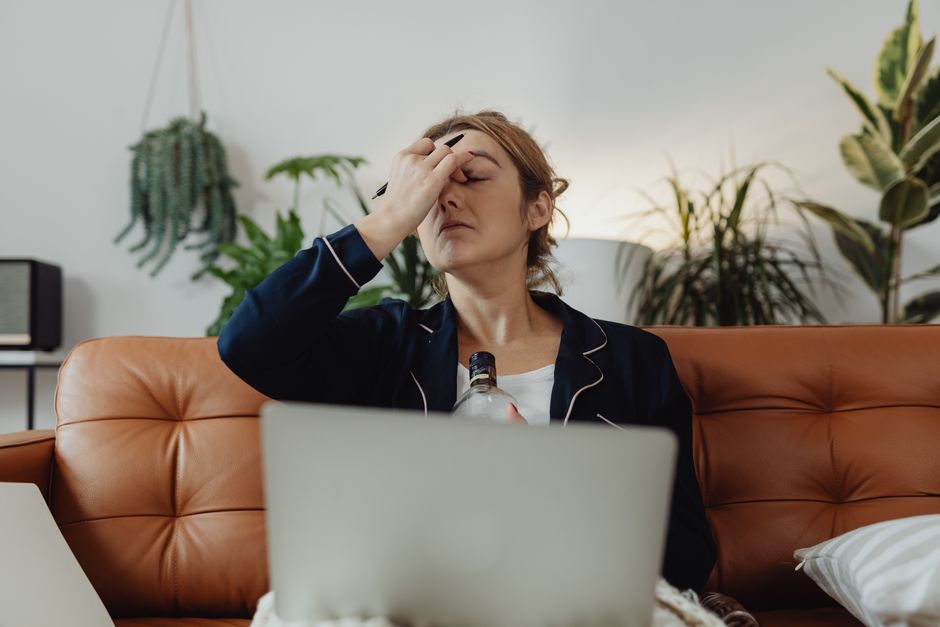
Alcohol does not simply relax you. It triggers a measurable hormonal stress response in the body, and the main hormone involved is cortisol. Within roughly 30 to 60 minutes of drinking, blood alcohol levels rise and the body releases extra cortisol — the same hormone your body uses during physical or psychological stress. The more you drink, the larger that response tends to be. And the effect does not stop when the drink is finished. Alcohol can keep cortisol elevated for hours afterward, which is one reason heavy drinking and the day after it often feel the way they do.
What Is Cortisol And What Does It Normally Do?
Cortisol is a steroid hormone made by the adrenal glands, which sit on top of the kidneys. It is often called the body’s main stress hormone, but that label undersells it. Cortisol helps regulate blood sugar, blood pressure, immune activity, and the sleep-wake cycle. You need it to live.
Under normal conditions, cortisol follows a daily rhythm. It peaks shortly after you wake up and gradually falls through the day, reaching its lowest point around midnight. This pattern is called the diurnal curve, and it matters. When cortisol stays high at the wrong times — late at night, for example — sleep, mood, and metabolism can be affected.
The body controls cortisol through a feedback loop called the HPA axis. That stands for hypothalamic-pituitary-adrenal axis. The hypothalamus and pituitary gland in the brain signal the adrenal glands to release cortisol. When cortisol rises, it signals back to the brain to slow production. This loop keeps levels in a healthy range most of the time.
Alcohol interferes with this loop. That interference is where most of the downstream effects begin.
How Does Alcohol Raise Cortisol Levels?
Alcohol activates the HPA axis directly. When ethanol reaches the brain, it stimulates the hypothalamus to release corticotropin-releasing hormone, or CRH. That signals the pituitary gland, which signals the adrenal glands to produce more cortisol. The result is a genuine hormonal stress response — not a subjective feeling, but a measurable change in blood hormone levels.
Research published in the journal Alcohol has documented this effect across multiple study designs. Cortisol rises during drinking and can remain elevated for hours. The size of the rise generally tracks with how much alcohol is consumed and how quickly.
There is a detail here that surprises many people. Alcohol is often used to reduce anxiety or unwind, and it does produce short-term sedation. But at the same time it is pushing the stress system into higher gear. Those two things happen together. The relaxation people feel is real, but it is not the same as a calmer stress response. Physiologically, the opposite is happening underneath.
Some research also suggests that alcohol disrupts the negative feedback part of the loop — the signal that normally tells the brain to stop producing cortisol. If that brake is weakened, cortisol can stay elevated longer than it otherwise would.
How Long Does Alcohol Keep Cortisol Elevated?
Cortisol typically stays elevated for several hours after drinking. In some studies, levels were still higher than baseline the morning after heavy drinking. The exact duration depends on how much was consumed, how fast the body metabolizes alcohol, and individual factors like age, liver health, and regular drinking patterns.
This matters for sleep. Cortisol normally drops to its lowest point overnight, which supports deep sleep. If alcohol keeps it higher than usual, that natural dip is blunted. Many people notice this as waking up around 3 or 4 a.m. after drinking, or sleeping through the night but not feeling restored.
The morning-after effect is not only about dehydration or poor sleep quality. Elevated cortisol is part of the picture, and it can contribute to feeling anxious, jittery, or foggy the next day.





Does Regular Drinking Change The Stress Response Over Time?
Yes, and the changes are not in a helpful direction. With repeated heavy drinking, the HPA axis can become dysregulated. Some studies show that people who drink heavily on a regular basis have an altered cortisol rhythm — a flatter curve rather than the normal high-morning, low-evening pattern.
There is also a phenomenon called withdrawal-related cortisol spikes. When someone who drinks heavily stops, cortisol can surge during the withdrawal period. This is part of why withdrawal can feel so uncomfortable and, in severe cases, dangerous. It is also why medical supervision matters for people who drink heavily and want to stop.
Chronic alcohol use is associated with changes in how the brain responds to stress. Some of this involves CRH and the same circuits that regulate anxiety. Over time, the stress system can become both overactive at baseline and less able to mount a normal response when it is actually needed. The evidence here is strongest for heavy, long-term drinking.
What About Moderate Drinking?
The picture for moderate drinking is less clear. Some studies find small, short-lived cortisol increases after moderate alcohol intake. Others find minimal changes in people who drink occasionally and do not have a history of heavy use.
What the research does not support is the idea that moderate drinking improves stress regulation. There is no good evidence that alcohol makes the stress system work better. At best, occasional light drinking appears to cause a brief, modest cortisol bump in people without other risk factors.
It is also hard to study moderate drinking cleanly. People who drink moderately differ from people who do not drink in many ways — income, health habits, social factors — and those differences can affect results. This is a known limitation in alcohol research and a reason to be cautious about any strong claim in either direction.
How Does Alcohol Affect Sleep And The Stress Cycle?
Alcohol and sleep have a complicated relationship. A drink before bed can help you fall asleep faster. That part is well documented. But it changes sleep architecture in ways that reduce restoration.
Alcohol suppresses REM sleep early in the night and causes more awakenings later. Combined with elevated cortisol, the result is often a night that feels shorter and less refreshing than the hours suggest. Poor sleep, in turn, raises cortisol the next day. That is a loop, and alcohol can feed it.
The cycle is worth naming clearly:
- Drinking raises cortisol and disrupts sleep
- Poor sleep raises cortisol further
- Higher cortisol can increase next-day anxiety and irritability
- Those feelings can make another drink feel appealing
None of this means one night of drinking ruins your stress system. It means the pattern matters more than any single occasion.
What Does This Mean For People Trying To Manage Stress?
If you are using alcohol to manage stress, the physiology works against you. The short-term calming effect is real, but it comes with a hormonal cost that can leave you feeling more stressed later. That is not a moral judgment — it is how the system works.
For people who drink lightly and occasionally, the cortisol effect is likely small and short-lived. For people who drink heavily or daily, the effects on the stress system are more significant and better documented. Anyone who drinks heavily and wants to cut back should talk to a doctor first, because withdrawal can be medically serious.
If you are trying to lower baseline stress, the tools with the strongest evidence are not exotic. Regular sleep schedules, aerobic movement, and time outdoors all have support. So does talking to a professional if stress feels unmanageable. None of these raise cortisol the way alcohol does.
Frequently Asked Questions
How quickly does alcohol raise cortisol?
Cortisol typically begins to rise within 30 to 60 minutes of drinking as blood alcohol levels climb. The size of the rise generally depends on how much and how fast you drink.
Does one drink raise cortisol?
A single drink can cause a small, brief cortisol increase in some people, though the effect is usually modest. The response is larger and longer-lasting with heavier drinking.
Does alcohol raise cortisol the next day?
Yes, cortisol can remain elevated into the next morning after heavy drinking. This is one reason the day after drinking often involves anxiety, poor focus, and disrupted sleep.
Can quitting alcohol lower cortisol levels?
For people who drink heavily, reducing or stopping alcohol is associated with gradual normalization of cortisol patterns over time. Withdrawal itself can cause temporary cortisol spikes, so medical guidance is important for heavy drinkers.
