
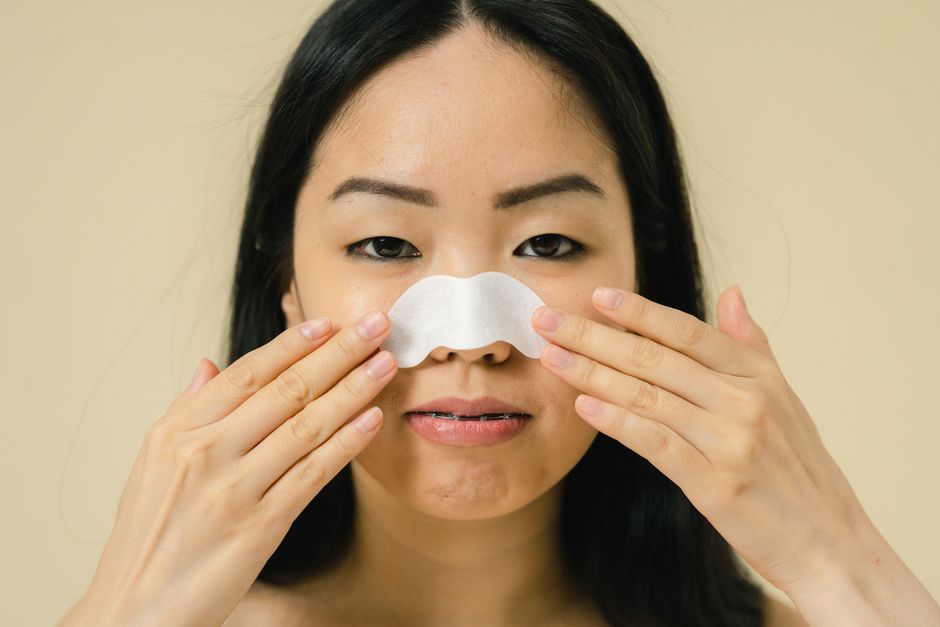
Accutane does not shrink the cartilage or bone in your nose. The visible change in nose size comes from reduced oil gland activity and thinning of the skin itself. The underlying structure stays the same, but the skin covering it becomes less swollen and less thick.
Many people notice their nose looks smaller while taking isotretinoin, the generic name for Accutane. This effect is temporary. Once the medication stops, oil production returns and the skin often plumps back to its previous state.
Why Does Accutane Change the Way Your Nose Looks?
Accutane shrinks the sebaceous glands in your skin. These are the glands that produce oil. When they shrink, they produce less oil. Less oil means less surface shine and less debris trapped in pores.
The nose has a high concentration of sebaceous glands compared to other parts of the face. That is why the nose often looks shinier and has larger pores than other areas. When Accutane shrinks these glands, the skin on the nose becomes thinner and less puffy.
This is not a structural change. The cartilage that shapes your nose and the bone beneath it do not change. The difference is entirely in the soft tissue and skin layer.
How Accutane Shrinks Your Nose Skin Not Structure
The key distinction is between skin and structure. Accutane works on the skin layer, not the framework beneath it.
Your nose is made of bone at the top and cartilage at the lower two-thirds. These tissues define the shape and size of your nose. Accutane does not act on bone or cartilage. There is no mechanism by which the drug could remodel these tissues.
What changes is the dermis, the middle layer of skin. Accutane reduces the size of sebaceous glands and decreases the amount of oil they produce. This makes the skin appear less thick and less swollen.
Some dermatologists describe this as a “de-swelling” effect. The skin was not truly swollen in a medical sense, but it had more volume due to active oil glands and trapped sebum. When that volume decreases, the nose looks smaller and more defined.
Is the Nose Change Permanent?
No, the change is not permanent for most people. Once you finish your Accutane course, your sebaceous glands gradually return to their normal size. Oil production resumes.
The timeline varies from person to person. Some people notice their nose returning to its pre-Accutane appearance within a few months. Others maintain the effect for a year or longer. There is no reliable way to predict how long the change will last for any individual.
This temporary nature is actually a strong piece of evidence that the change is not structural. If Accutane were remodeling cartilage or bone, the effect would be permanent. A temporary change in appearance points to temporary changes in the skin and glands.





What Else Causes the Nose to Look Different on Accutane?
Reduced inflammation plays a role. Accutane has strong anti-inflammatory effects. If you have inflammatory acne on or around your nose, the swelling from those lesions can make the nose look larger. Clearing that inflammation can make the nose appear smaller.
Changes in skin hydration also matter. Accutane dries out the skin significantly. Dry skin is flatter and less plump than well-hydrated skin. This flattening effect can make the nose look slimmer and more angular.
Some people also lose weight while on Accutane. Weight loss in the face can make the nose appear relatively larger or more prominent, but this is a separate effect from the medication itself.
Why Some People Think Accutane Permanently Changes the Nose
Social media posts and online forums often claim that Accutane permanently reshapes the nose. These claims are not supported by clinical evidence. No study has demonstrated permanent structural changes to the nose from Accutane use.
The confusion likely comes from the temporary skin changes. Someone who takes Accutane for six months sees their nose look different during that time. If the effect lingers for several months after stopping, it is easy to believe the change is permanent.
Another factor is that some people take Accutane during their late teens or early twenties. This is a time when facial features are still maturing. Natural changes in facial structure during this period can be mistakenly attributed to the medication.
Does Accutane Affect Skin Thickness Anywhere Else?
Yes, the thinning effect is not limited to the nose. Accutane affects sebaceous glands across the entire body. However, the visible effects are most noticeable on the face because that is where the glands are most concentrated.
The cheeks, forehead, and chin can also look slightly different while on Accutane. These areas have fewer sebaceous glands than the nose, so the change is usually less dramatic.
Some people report that their skin feels thinner while on Accutane. This is consistent with reduced gland size and decreased oil production. The skin is not actually losing layers, but it is less plump than before.
What to Expect After Stopping Accutane
Your skin will gradually return to its normal state after you stop taking Accutane. Oil production resumes, and the skin regains its previous thickness and texture.
This return to baseline is gradual. It typically takes several weeks to a few months for sebaceous glands to return to their full size. During this transition period, your nose may still look slightly different than it did before you started.
If you are considering Accutane for acne treatment, the temporary effect on your nose should not be a deciding factor. The medication is prescribed for acne, not for cosmetic changes to facial features. Any change in nose appearance is a side effect, not a treatment goal.
Frequently Asked Questions
Will my nose go back to normal after Accutane?
Yes, for most people the nose returns to its previous appearance within a few months after stopping the medication. The change is temporary because it affects skin and glands, not cartilage or bone.
Can Accutane permanently shrink your nose?
No clinical evidence shows that Accutane permanently changes nose structure. The visible change comes from reduced oil gland size and skin thickness, both of which reverse after treatment ends.
Does Accutane reduce nose size or just skin oil?
Accutane reduces oil production by shrinking sebaceous glands, which can make the nose look smaller. The underlying bone and cartilage do not change.
How long does the nose change last after Accutane?
The duration varies by person. Some people see their nose return to baseline within a few months, while others notice the effect for up to a year after stopping.
