

A stomach aneurysm causes death by rupturing and releasing blood into the abdominal cavity faster than the body can compensate. The most common type, an abdominal aortic aneurysm, can bleed so rapidly that blood pressure collapses within minutes. When that happens, the heart and brain are starved of oxygen, and death can follow before emergency surgery is even possible.
The word “stomach” is a little misleading here. The condition almost always involves the aorta, the body’s largest artery, in the part that runs down the abdomen near the stomach. Understanding why a rupture is so dangerous comes down to anatomy, pressure, and time.
What Is a Stomach Aneurysm, Exactly?
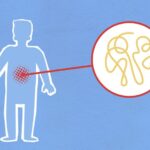
A stomach aneurysm is a weakened, bulging section of the abdominal aorta, the main blood vessel carrying blood from the heart to the lower body. It is not a growth or a clot. It is a spot where the artery wall has lost strength and stretches outward like a worn spot in a tire.
Doctors call this an abdominal aortic aneurysm, or AAA. The aorta normally measures about 2 centimeters across in the abdomen. A section is considered an aneurysm when it reaches 3 centimeters or larger. Most people who have one do not know it, because an aneurysm that has not ruptured usually causes no symptoms at all.
This is a key point that surprises many people. A stomach aneurysm is silent until something goes wrong. It is often found by chance during an imaging test done for an unrelated reason, such as a CT scan or ultrasound.
How A Stomach Aneurysm Causes Death
Death from a stomach aneurysm happens through blood loss and the collapse of circulation. When the weakened wall finally gives way, blood pours out of the artery into the space behind the abdominal organs or directly into the belly.
The aorta carries a huge volume of blood under high pressure. A rupture is not a slow leak. It is closer to a pipe bursting. Because the pressure inside the artery is high, blood escapes quickly, and the body loses the blood volume it needs to keep the heart and brain supplied.
As blood volume drops, blood pressure falls. The heart speeds up to try to compensate, but it cannot keep up with the loss. Organs begin to fail from lack of oxygen. If the bleeding cannot be stopped, this leads to shock and then death. In some cases, the process unfolds over minutes. In others, it can take longer, depending on where the rupture occurs and whether the bleeding is temporarily contained by surrounding tissue.
This is why a ruptured abdominal aortic aneurysm is a medical emergency with a very high death rate. Many people do not survive long enough to reach an operating room.
Why Some Ruptures Bleed Faster Than Others
Not every rupture behaves the same way. The location and the size of the aneurysm matter a great deal.
A rupture that bleeds freely into the abdominal cavity tends to be the most catastrophic, because nothing holds the blood in. Sometimes, though, the bleeding is initially limited by the tissues around the artery. This can slow the blood loss and buy a little time, but it is not a safe situation. The bleeding can restart or worsen at any moment.
Size is one of the strongest predictors of rupture risk. Larger aneurysms are more likely to rupture than smaller ones. This is why doctors monitor aneurysms over time and may recommend repair before they reach a dangerous size.




What Raises the Risk of a Rupture?
Several factors make an aneurysm more likely to form and more likely to rupture. Smoking is the single biggest risk factor. It damages the artery wall directly and speeds up the weakening process.
Other factors include:
- High blood pressure, which puts constant extra force on the artery wall
- Age, with risk rising after 60
- Being male, since abdominal aortic aneurysms are more common in men
- A family history of aneurysm
- Conditions that weaken connective tissue, such as Marfan syndrome or Ehlers-Danlos syndrome
High blood pressure deserves special mention. It does not just help an aneurysm form. It also increases the force pushing against a weakened wall, which raises the chance it will tear.
What Are the Warning Signs Before a Rupture?
Most aneurysms give no warning. That is the difficult part. A person can carry one for years without a single symptom.
When symptoms do appear, they often mean the aneurysm is growing or starting to leak. Signs can include:
- A pulsing feeling in the abdomen
- Deep, steady pain in the belly or lower back
- Pain that does not go away with rest or position changes
A sudden, severe pain in the abdomen or back, often described as tearing, along with clammy skin, a rapid pulse, and fainting, points to a rupture. These symptoms require calling emergency services immediately. There is no home remedy and no waiting to see if it improves.
How Is a Stomach Aneurysm Detected and Treated?
Detection usually happens through imaging. An ultrasound is the standard first test because it is quick and does not use radiation. CT scans give more detail and are often used to plan treatment.
Screening is available for certain groups. Guidelines in the United States have recommended a one-time ultrasound screening for men aged 65 to 75 who have ever smoked. This is one of the few situations where a screening test can catch a silent, life-threatening condition before it ruptures.
Treatment depends on size and symptoms. Small aneurysms are usually watched with regular imaging. Larger ones may be repaired with surgery or with a less invasive procedure that places a fabric and metal tube called a stent graft inside the artery. The goal of repair is to keep blood flowing through the artery without pressing on the weakened wall.
It is worth being clear about what is not established. No diet, supplement, or exercise routine has been shown to reverse an aneurysm. Lifestyle changes like quitting smoking and controlling blood pressure can lower the risk of growth and rupture, but they do not repair the artery. Anyone who claims otherwise is selling something the evidence does not support.
Why Time Is the Deciding Factor
The reason a stomach aneurysm is so deadly comes down to how fast things move. A ruptured aorta can drain a person’s blood volume in a short window, and the body has no way to replace it on its own.
Survival depends on speed. Getting to a hospital, being diagnosed, and reaching surgery quickly are the factors that matter most. This is why recognizing the warning signs and acting without delay can be the difference between life and death.
For people with a known aneurysm, the value of regular monitoring is real. It allows doctors to act before a rupture happens, rather than after. That is the part of this condition that can be controlled.
Frequently Asked Questions
How quickly can a stomach aneurysm kill you?
A ruptured abdominal aortic aneurysm can cause death within minutes to hours, depending on how fast the bleeding is and whether it can be controlled. Many people do not survive long enough to reach surgery.
Can you survive a ruptured stomach aneurysm?
Some people do survive, but only if the bleeding is stopped quickly through emergency surgery or a stent procedure. Survival depends heavily on how fast treatment is received.
What does a stomach aneurysm feel like before it bursts?
Most cause no symptoms at all before they rupture. When symptoms do appear, they may include a pulsing feeling in the belly or steady pain in the abdomen or lower back.
Who should be screened for a stomach aneurysm?
Screening has been recommended for men aged 65 to 75 who have smoked, using a one-time ultrasound. People with a family history should talk with a doctor about whether screening is right for them.
