
A hole in the wall of the intestine lets bacteria and digestive contents spill into the abdominal cavity. This sets off a rapid chain of infection, inflammation, and organ failure that can become fatal within hours to days if it is not treated. A ruptured intestine kills through sepsis and septic shock, not through the hole itself.
The intestine normally holds trillions of bacteria and harsh digestive fluids. Its wall keeps them contained. When that wall breaks, the body’s defense systems are overwhelmed by an infection they were never meant to face in open tissue. Blood pressure can fall, organs can shut down one after another, and the timeline is measured in hours, not weeks.
What Actually Happens When an Intestine Ruptures?
A rupture means the full thickness of the intestinal wall has opened. Contents that belong inside the gut — bacteria, stomach acid, bile, digestive enzymes — move into the peritoneal cavity, the space that holds the abdominal organs.
The peritoneum is a large, well-supplied membrane. Once bacteria reach it, inflammation spreads across a wide surface fast. This is called peritonitis. The body responds with a massive inflammatory reaction, and that reaction is what drives the damage.
There are two problems running at once. The first is infection: bacteria entering the bloodstream and the abdominal cavity. The second is chemical. Digestive enzymes and acid that leak from the upper gut irritate tissue directly, even before bacteria multiply. A rupture in the stomach or upper small intestine can cause severe chemical peritonitis within hours.
The location matters. A perforation in the colon tends to spill a heavy bacterial load. A perforation in the stomach or duodenum spills highly acidic or enzyme-rich fluid. Both are emergencies, but the early damage looks different.
How Does a Rupture Lead to Sepsis and Septic Shock?
Sepsis is the body’s extreme response to infection — widespread inflammation that injures its own tissues and organs. When bacteria from a ruptured intestine enter the bloodstream or flood the abdominal cavity, sepsis can develop quickly.
In sepsis, blood vessels dilate and become leaky. Fluid shifts out of the circulation and into surrounding tissue. Blood pressure drops. The heart tries to compensate by beating faster, but if the drop continues, it cannot keep up.
Septic shock is sepsis plus a dangerous drop in blood pressure that does not respond to simple fluid replacement. At that point, blood flow to the brain, kidneys, liver, and lungs becomes inadequate. Cells switch to anaerobic metabolism, lactic acid builds up, and organ injury accelerates.
This is the core reason a ruptured intestine can be fatal. The infection is not the direct killer. The body’s overwhelming response to it is. Research consistently shows that the speed of treatment in septic shock strongly affects survival — which is why source control, meaning repairing or removing the perforated segment, is treated as urgent.
How A Ruptured Intestine Can Lead To Death: The Organ Failure Chain
Death from a ruptured intestine usually comes through multiple organ failure. The organs do not fail all at once. They fail in a cascade, and each failure makes the next more likely.
The kidneys are often early casualties. Poor blood flow and inflammation reduce urine output and allow waste products to accumulate. The lungs can fill with inflammatory fluid, a condition called acute respiratory distress syndrome, which makes oxygen exchange difficult even with supplemental oxygen.
The cardiovascular system is already struggling to maintain blood pressure. The liver, which processes toxins and produces clotting factors, can begin to fail. When the liver fails, bleeding risk rises because clotting proteins are no longer made properly.
Disseminated intravascular coagulation is another serious complication. The widespread inflammation triggers abnormal clotting throughout the body. Clotting factors get used up, and paradoxically, the patient can begin to bleed. This is a well-documented feature of severe sepsis and a marker of how far the process has advanced.
Each of these steps is treatable in isolation. The danger is that they happen together and quickly, and treatment for one can complicate another.
What Causes the Intestine to Rupture in the First Place?
Most ruptures have a clear cause. Some are sudden. Others develop from a problem that was building for days.
- Perforated ulcer. An untreated peptic ulcer can erode through the stomach or duodenal wall. This is one of the more common causes of upper gut perforation.
- Diverticulitis. Infected or inflamed pouches in the colon wall can perforate, especially in older adults.
- Bowel obstruction. A blockage causes pressure to build behind it. The wall can stretch and eventually tear. Causes include scar tissue, hernias, tumors, and twisting of the bowel.
- Ischemia. When blood supply to a section of bowel is cut off, the tissue dies and the wall gives way. This is often the most dangerous scenario because it can progress silently.
- Trauma. Blunt or penetrating injury to the abdomen can tear the intestine.
- Medical procedures. Endoscopy or surgery can, in rare cases, perforate the bowel. This is a known risk that clinicians watch for afterward.
- Severe infection or inflammation. Conditions such as inflammatory bowel disease, typhoid, or tuberculosis can, in some cases, weaken the wall enough to perforate.
Age and frailty raise the risk of a worse outcome, largely because older adults often have less reserve and may not mount a strong early response. Some people, particularly older adults and those on corticosteroids or with diabetes, can have a perforation with less dramatic early symptoms — which can delay diagnosis.
What Are the Warning Signs of a Ruptured Intestine?
Sudden, severe abdominal pain is the classic sign. Many people describe it as the worst pain they have felt. The abdomen often becomes rigid and tender to the touch, a sign clinicians call guarding or board-like rigidity.
Other signs include:
- Pain that worsens with movement or coughing
- Fever, or sometimes a low temperature in severe cases
- Rapid heart rate and rapid breathing
- Nausea and vomiting
- Bloating and an inability to pass gas or stool
- Feeling faint, confused, or unusually sleepy
- Low urine output as shock develops
Confusion or drowsiness in an unwell person with abdominal pain is a red flag. It can signal that sepsis is already affecting the brain. These symptoms are not specific to a rupture — many abdominal conditions cause pain and fever — which is why imaging and examination are needed to sort it out.
How Is a Ruptured Intestine Treated?
Treatment is surgical and urgent. The two goals are to control the source of infection and to support the body through sepsis.
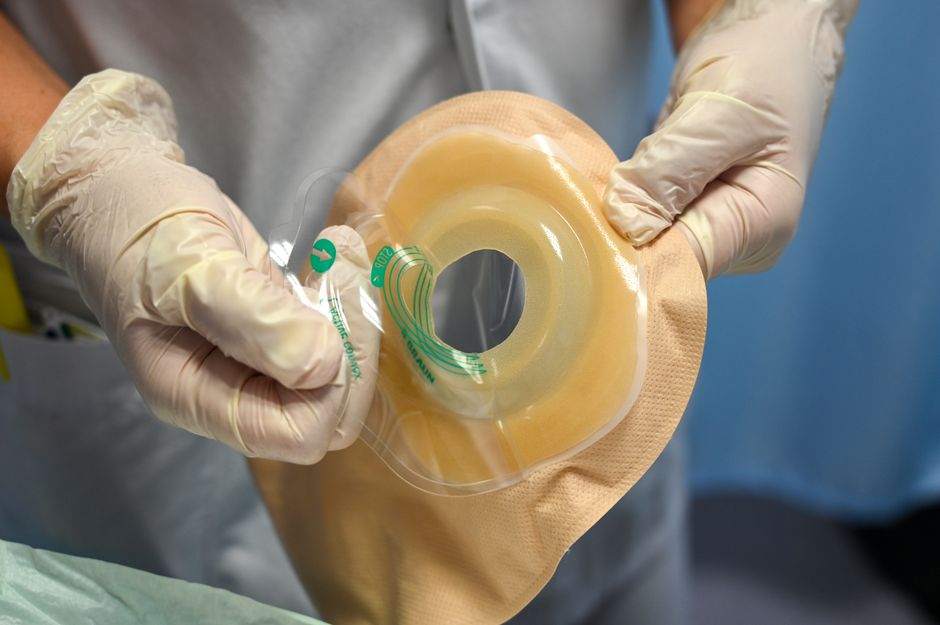
Source control means closing or removing the perforated section of bowel. Depending on the location and the condition of the tissue, a surgeon may repair the hole directly, remove a segment and reconnect the bowel, or create a temporary stoma. The choice depends on how sick the patient is and how damaged the tissue is.
Broad-spectrum intravenous antibiotics are started as early as possible. Fluid resuscitation and, in septic shock, medications to raise blood pressure are used to support circulation. Some patients need breathing support or dialysis if the lungs or kidneys fail.
Recovery depends on how quickly treatment begins, the patient’s underlying health, and how much organ damage occurred before surgery. This is why the timing of care matters so much — delay is the main factor that turns a treatable problem into a fatal one.
No clinical guidelines set a single universal time window that applies to every case. What is well established is that earlier source control and antibiotics are associated with better outcomes in sepsis from a perforated bowel.
Can a Ruptured Intestine Be Prevented?
Not every rupture can be prevented, but several causes can be caught earlier. People with persistent or severe abdominal pain, especially with fever or a rigid abdomen, should seek emergency care rather than wait.
Managing conditions that raise risk matters. That includes treating peptic ulcers and testing for the bacterium that commonly causes them when indicated, managing diverticular disease as advised by a clinician, and getting hernias and bowel symptoms evaluated rather than ignoring them.
For anyone on long-term corticosteroid therapy or with diabetes, it is worth knowing that early symptoms of a perforation can be muted. A lower level of pain does not rule out a serious problem in these groups.
There is no home remedy or supplement that prevents or treats a ruptured intestine. This is a surgical emergency, and the only effective response is prompt medical care.
Frequently Asked Questions
How long does it take to die from a ruptured intestine?
It can progress over hours to a few days, depending on the location of the rupture and the person’s health. Without treatment, sepsis and organ failure can become fatal within a short time, so this is always an emergency.
Can you survive a ruptured intestine?
Yes, many people survive when surgery and antibiotics are started quickly. Survival depends heavily on how fast treatment begins and how much organ damage has occurred.
What does a ruptured intestine feel like?
It usually causes sudden, severe abdominal pain, often with a rigid, tender belly. Fever, rapid heartbeat, vomiting, and confusion can follow as infection spreads.
Is a ruptured intestine always fatal?
No. It is life-threatening but not always fatal, and prompt surgery plus antibiotics save many patients. Delay in treatment is the main factor that raises the risk of death.
