
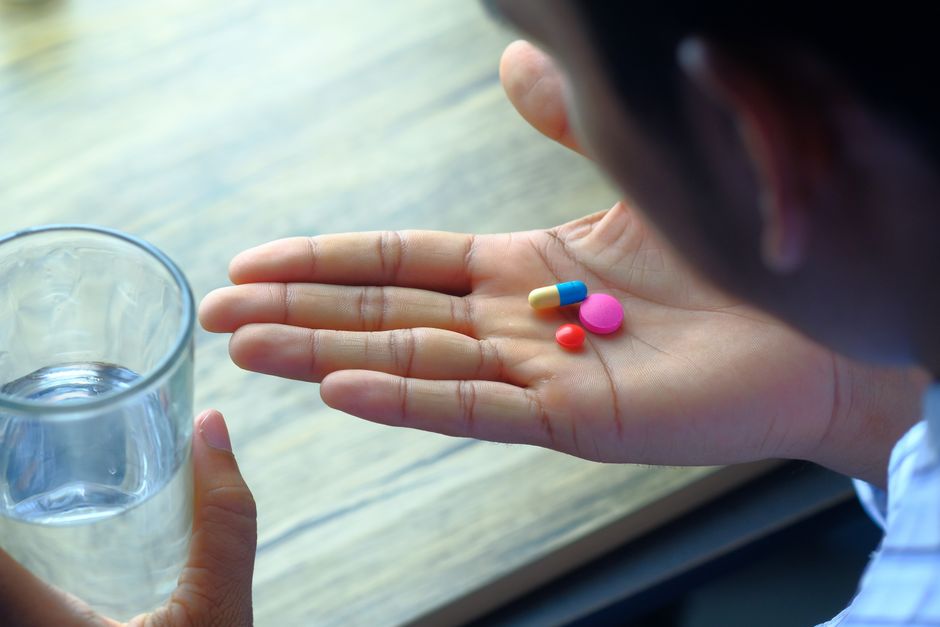
Taking doxycycline with food can reduce stomach upset, but it may also lower how much of the medication your body absorbs. The short answer is that you should take doxycycline with a full glass of water and food if it upsets your stomach, but you should avoid dairy, antacids, and iron supplements within a few hours. This balance between comfort and effectiveness is what most people need to understand, and the research gives us clear guidance on how to do it right.
Does Taking Doxycycline With Food Reduce Its Effectiveness?
Yes, it can, but the effect is smaller than most people think. Studies have found that taking doxycycline with food can reduce absorption by about 20% compared to taking it on an empty stomach. That sounds concerning, but the key question is whether that reduction matters for treating your infection.
Research published in journals like Antimicrobial Agents and Chemotherapy shows that even with this reduced absorption, doxycycline levels in the blood still remain above the minimum needed to kill most common bacteria. For standard infections like acne, respiratory infections, or tick-borne illnesses, taking it with food is generally fine. The exception is serious infections where every bit of medication matters, such as certain types of pneumonia or anthrax exposure. In those cases, doctors typically insist on an empty stomach.
The trade-off is real. If you cannot keep the medication down because of nausea, the reduced absorption from food is better than vomiting it up entirely. A 20% drop in absorption beats a 100% loss.
What Foods Should You Avoid When Taking Doxycycline?
This is where the evidence is clearest and most people get it wrong. Dairy products are the biggest problem. Calcium binds to doxycycline in the stomach and prevents it from being absorbed into your bloodstream. The same goes for antacids that contain calcium, magnesium, or aluminum, and for iron supplements or multivitamins containing minerals.
The CDC and the FDA both advise separating doxycycline from these substances by at least two hours. If you take doxycycline with a glass of milk, you might absorb less than half of the dose. That is not a small reduction. That is a failed treatment.
Foods and supplements to avoid within 2 hours of doxycycline:
- Milk, yogurt, cheese, and ice cream
- Calcium-fortified orange juice or plant milks
- Antacids like Tums, Rolaids, or Maalox
- Iron supplements and multivitamins with minerals
- Magnesium supplements or laxatives
- Bismuth subsalicylate (Pepto-Bismol)
Some people think that a small amount of dairy is fine. It is not. Even a single glass of milk can cut absorption significantly. If you want to eat dairy, have it at least two hours before or after your dose.
What Is the Best Way to Take Doxycycline to Minimize Side Effects?
Nausea and heartburn are the most common complaints. Doxycycline is acidic and can irritate the lining of the esophagus and stomach. The single most important thing you can do is take it with a full 8-ounce glass of water. Not a sip. Not a gulp. A full glass.
Do not lie down for at least 30 minutes after taking it. The pill can get stuck in the esophagus and cause a painful ulcer. This is rare but serious, and it is completely preventable by staying upright.
If you have a sensitive stomach, the best food to take with doxycycline is something bland and low in fat. Toast, crackers, applesauce, or a small portion of plain rice work well. Fatty meals slow down stomach emptying and may reduce absorption more than lighter foods. Some studies suggest that a low-fat meal causes less interference than a high-fat one.
Comparison of food timing options:
| Option | Absorption | Stomach comfort | Best for |
|---|---|---|---|
| Empty stomach with water | Highest | May cause nausea | Serious infections |
| With bland, low-fat food | Slightly reduced | Good | Most common infections |
| With dairy or high-fat meal | Significantly reduced | Variable | Avoid this combination |



What Does Research on Doxycycline and Food Timing Actually Show?
A well-known study published in the Journal of Antimicrobial Chemotherapy compared doxycycline absorption in people who took it on an empty stomach versus with a standardized breakfast. The breakfast group had about 20% lower peak blood levels. However, the total amount of drug absorbed over time was only 12% lower. That gap is small enough that for most infections, the clinical outcome does not change.
Another study looked specifically at doxycycline for acne treatment. Patients who took it with food had similar rates of skin improvement compared to those who took it on an empty stomach. The food group had fewer dropouts due to nausea. That is a meaningful finding because sticking with treatment matters more than perfect absorption.
Some researchers argue that the 20% reduction is overblown in clinical practice. They point out that doxycycline dosing already includes a safety margin. Doctors prescribe doses higher than the minimum needed precisely because they know absorption varies from person to person.
The bottom line from the evidence is clear: taking doxycycline with food is acceptable for most people. The bigger risk is not the food. It is skipping doses because of side effects or taking it with dairy.
Common Misconceptions About Doxycycline and Food
One of the most persistent myths is that you cannot eat anything at all when taking doxycycline. That is not true. You can eat. You just need to be smart about what you eat and when.
Another myth is that all food affects doxycycline the same way. They do not. Dairy and mineral-rich foods are the real problems. A plain turkey sandwich or a bowl of oatmeal is unlikely to cause issues. A cheese omelet with a glass of milk is a bad idea.
Some people believe that taking doxycycline with food completely cancels out the medication. That is false. Even with food, most of the drug is still absorbed. The reduction is partial, not total.
There is also a misconception that you must wait exactly two hours after eating to take doxycycline. The two-hour rule applies to dairy and supplements. For regular food, you can take it with a meal as long as the meal is low in calcium and minerals. The key is consistency. Take it the same way each time so your blood levels stay steady.
What to Avoid When Taking Doxycycline Beyond Food
Food is not the only thing that interferes with doxycycline. Alcohol does not directly block absorption, but it can worsen stomach irritation and make nausea harder to tolerate. It is best to avoid alcohol during treatment.
Sun exposure is another concern. Doxycycline makes your skin more sensitive to UV light. You can get a severe sunburn much faster than normal. This is not a food issue, but it is worth mentioning because many people do not realize it until they are already burned. Wear sunscreen and avoid tanning beds.
Certain medications also interact. Warfarin, some seizure drugs, and oral retinoids like isotretinoin can have problematic interactions with doxycycline. Always tell your doctor and pharmacist what else you are taking.
If you miss a dose, do not double up. Take it as soon as you remember unless it is close to the next dose. Doubling increases side effects without improving treatment.
Frequently Asked Questions
Can I take doxycycline with yogurt?
You should avoid yogurt within two hours of taking doxycycline because the calcium in dairy binds to the medication and reduces absorption.
How long after eating can I take doxycycline?
For regular food that is not dairy or high in minerals, you can take doxycycline immediately with a meal. For dairy or supplements, wait at least two hours.
Does doxycycline cause weight gain?
There is no clinical evidence that doxycycline causes weight gain. Some people experience bloating as a side effect, but this is temporary and not true weight gain.
Can I take doxycycline with coffee?
Black coffee does not significantly interfere with doxycycline absorption. However, coffee with milk or creamer can reduce effectiveness due to the dairy content.
