
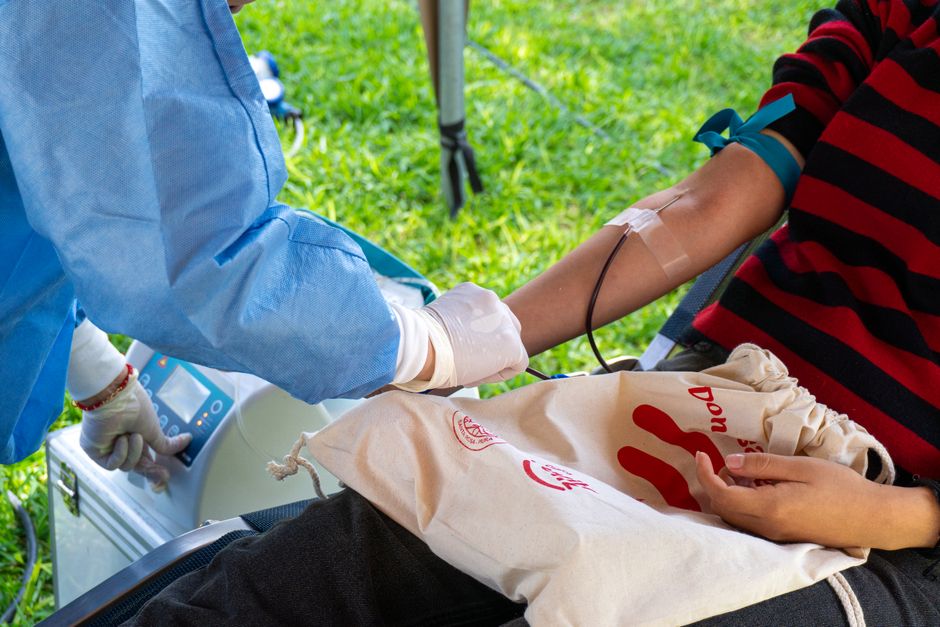
Donating plasma is a process where a machine draws your blood, separates out the pale yellow liquid portion, and returns the blood cells to your body. It takes longer than a regular blood donation and can be done far more often. For the donor, the benefits are mostly financial and personal satisfaction; the risks are real but usually manageable. For patients, plasma donation is the raw material for treatments that keep people with immune disorders, burn injuries, and bleeding conditions alive.
This guide covers what plasma donation actually does to your body, who should not do it, how often it is safe, and where the evidence is solid versus where it is thin.
What Is Plasma and Why Is It Donated?
Plasma is about 55 percent of your blood volume. It is mostly water, but it carries proteins that do essential jobs: clotting factors that stop bleeding, albumin that holds fluid inside blood vessels, and antibodies that fight infection.
Plasma cannot be made in a lab. Every unit used in medicine comes from a human donor. That is why donation matters clinically, not just symbolically.
Donated plasma is used to make therapies for people with hemophilia and other bleeding disorders, immune deficiencies, and certain autoimmune and neurological conditions. It is also used in some burn and trauma care. Some plasma is transfused directly; most is pooled and processed into concentrated products.
There are two donation paths. In source plasma donation, the plasma is collected and the cells are returned, and donors are usually paid. In whole blood donation, the blood is collected whole and later separated, and donors are not paid in the US. The two differ in frequency limits and in how long each session takes.
What Are the Pros of Donating Plasma?
The clearest benefit is that your plasma becomes medicine for someone who cannot make or use their own. That is a direct, documented clinical use — not a marketing claim.
For the donor, the practical pros are:
- Payment. Source plasma centers in the US commonly pay donors per session. Amounts vary widely by center and by how often you donate.
- More frequent donation than whole blood. Plasma can be donated more often than red cells because your body replaces plasma volume relatively quickly.
- Free health screening. Donors are checked for blood pressure, pulse, hemoglobin or protein levels, and infectious disease markers at each visit. Problems sometimes get caught here first.
- Personal satisfaction. Many donors describe this as a genuine motivator. It is not measurable, but it is real to them.
One point worth clarifying: plasma donation does not “detox” your blood or “boost” your immune system. Those claims appear in donor-center marketing and in viral posts. Your body replaces donated plasma proteins on its own schedule; there is no evidence that donating plasma improves your health.
What Are the Cons and Risks of Donating Plasma?
Most side effects are short-lived and relate to the needle or to fluid shifts. The serious risks are uncommon but not zero.
Common and usually minor:
- Lightheadedness, dizziness, or nausea during or after the session
- Bruising or soreness at the needle site
- Fatigue for the rest of the day
- Feeling cold, since some of the returned fluid is cooler than body temperature
Less common but more serious:
- Fainting and injury from a fall. This is why you are asked to sit and eat before donating.
- Citrate reactions. Plasma collection uses an anticoagulant called citrate. It can cause tingling around the mouth, fingers, or toes, and sometimes muscle twitching. These symptoms usually ease when the collection speed is slowed. In rare cases citrate can lower blood calcium enough to cause more significant symptoms, which is why centers monitor donors closely.
- Infection or nerve irritation at the needle site. Uncommon with proper technique.
- Iron and protein depletion with frequent donation. Plasma donation removes proteins, and frequent donors can see protein levels drop. Centers screen for this, which is why some donors are deferred temporarily.
There is no evidence that donating plasma causes long-term harm in healthy people who follow center guidelines. That statement comes with a condition: the evidence base on long-term frequent donation is not large. Most safety data comes from center monitoring and donor deferral records rather than long-term cohort studies.




How Often Can You Donate Plasma?
In the United States, source plasma centers generally allow two donations within a seven-day period, with at least one day between sessions. This is the standard used by the major collection networks and reflects FDA guidance for source plasma.
Whole blood donation has a much longer interval — typically eight weeks between donations — because red blood cells take weeks to regenerate. Plasma volume is replaced faster, which is why the plasma interval is shorter.
That shorter interval is also why protein and iron status get checked. Frequent donors are the group most likely to need a temporary pause.
Rules differ outside the US. If you are reading this from another country, the frequency limit where you live may be different. Follow the local center’s guidance, not a number you read online.
Who Should Not Donate Plasma?
Donor centers apply eligibility rules that are stricter than most people expect. The rules exist to protect both the donor and the patient receiving plasma-derived products.
You are generally deferred or excluded if you:
- Have certain infections, including HIV, hepatitis B or C, or syphilis
- Have recently had a tattoo or piercing in a way that does not meet the center’s rules
- Are pregnant or recently gave birth
- Have certain cancers, heart conditions, or bleeding disorders
- Are taking specific medications, including some blood thinners
- Have recently traveled to areas with certain infectious disease outbreaks
- Weigh below the center’s minimum, which is typically 110 pounds for source plasma
This list is not complete. Eligibility depends on your medical history, medications, and travel, and it changes as public health guidance changes. The only reliable answer is the screening at the center itself.
If you have a chronic condition, ask your own clinician before you donate, not after. Some conditions make donation inadvisable for reasons a center intake form may not fully capture.
Is Paid Plasma Donation Ethical and Safe?
Paid plasma donation is legal and regulated in the US. It is also the subject of ongoing debate.
The safety question is answerable. Paid and unpaid plasma both go through the same screening and testing. Payment does not change the processing or the testing standards. The evidence does not support the idea that paid plasma is less safe than unpaid plasma.
The ethical question is harder. Critics argue that payment can push people with limited income to donate more often than is good for them. Defenders point out that the US supplies a large share of the world’s plasma-derived therapies, and that without payment the supply would likely fall. Both points have merit. The evidence does not settle the debate.
One practical note: because payment varies by center and by donor weight and frequency, no single dollar figure applies. Check with local centers directly rather than relying on posted averages.
How Should You Prepare for a Plasma Donation?
Preparation matters more for plasma than for whole blood, mainly because sessions are longer and fluid shifts are larger.
Eat a normal meal within a few hours before donating. Avoid donating on an empty stomach. Drink water before and during the session. Avoid alcohol in the day before. Get reasonable sleep.
Plan for the session to take longer than you expect. The collection itself is often under an hour, but screening, setup, and the return phase add time. First-time donors should expect a longer visit.
After donating, keep the bandage on as instructed, drink fluids, and avoid heavy lifting or intense exercise for the rest of the day. If you feel dizzy, sit or lie down rather than trying to push through it.
If you develop tingling or muscle twitching during the session, tell staff immediately. Do not wait it out.
Frequently Asked Questions
Is donating plasma safe?
For healthy people who meet eligibility rules and follow center guidance, plasma donation is generally considered safe, with mostly minor side effects like dizziness and bruising. Long-term safety data on very frequent donation is limited, which is why centers monitor protein and iron levels.
How much do you get paid for donating plasma?
Payment varies widely by center, location, and how often you donate, and no single national figure applies. Check with local centers directly for current rates.
Can you donate plasma if you have diabetes?
Some people with well-controlled diabetes are eligible, but it depends on the type, your medications, and the center’s rules. Ask the center and your own clinician before donating.
Does donating plasma make you tired?
Many donors feel tired for the rest of the day, mainly from fluid shifts and the time involved. This usually resolves with rest and fluids.
