
You can get paid for donating plasma in the United States. You cannot get paid for donating blood in the United States. That single difference explains most of the confusion around this topic, and it is a legal distinction, not a marketing one.
Plasma centers pay donors because plasma is collected differently and used to manufacture therapies for rare and chronic conditions. Blood banks do not pay donors because whole blood and red cells are transfused directly into patients, and regulators have long held that paying for them could undermine the safety of the blood supply. Both systems are regulated, but they are not the same system.
Why Can You Sell Plasma But Not Blood?
The rules come down to what happens to the donation after it leaves your arm.
Whole blood and red blood cells go straight to hospitals for transfusion. Because they enter a patient directly, the U.S. Food and Drug Administration treats payment for them differently. Federal law prohibits paying donors for whole blood used in transfusion, with a narrow exception for some red cell collection programs. The concern is that cash incentives might push people to donate when they should not, or to hide risk factors that could transmit infection.
Plasma works differently. Most plasma collected at paid centers is not transfused as-is. It is pooled and processed into what are called plasma protein therapies — treatments for conditions like hemophilia, immune deficiencies, and certain autoimmune and neurological disorders. These products go through manufacturing steps including purification and viral inactivation. That processing is one reason the payment rules differ.
So the short answer: paid plasma donation is legal and widespread in the U.S. Paid whole blood donation for transfusion is not. This is a regulatory distinction, not a statement that one donation is safer than the other for you as a donor.
How Much Do Plasma Centers Pay?
Payment varies widely by company, location, and whether you are a new donor.
New donor promotions often pay more than the ongoing rate. After the introductory period, most centers pay a flat amount per donation, and some add bonuses for donating a set number of times in a month. Because these numbers change constantly and differ by region, there is no single national figure that stays accurate. The only reliable source is the specific center you plan to use.
Some things worth knowing before you count on the money:
- Payment is usually loaded onto a prepaid card, not handed over as cash.
- You typically must complete the full donation to be paid.
- New donor bonuses often require you to donate a certain number of times within a set window.
- Taxes may apply to what you earn, depending on the amount and your situation.
Whole blood donation at a nonprofit blood bank is unpaid. You may receive a T-shirt, a gift card, or a coupon, but not cash. That is by design, not an oversight.
Is Donating Plasma Safe?
For most healthy adults, plasma donation is well tolerated. The process has been used for decades, and serious complications are uncommon.
The most frequent side effects are short-term and predictable. Some people feel lightheaded or dizzy, especially right after the needle is removed. Bruising at the needle site is common. A small number of donors feel a tingling sensation around the mouth or in the fingers during the return phase of the donation. That sensation is related to the anticoagulant used in the process, and it usually resolves quickly. Staff at plasma centers are trained to recognize it.
Plasma is mostly water and protein, and your body replaces it faster than it replaces red blood cells. That is why plasma can be donated more often than whole blood. Even so, frequent donation can lower your protein levels and affect how you feel. Centers monitor donors for this reason.
People with certain health conditions, recent tattoos or piercings, recent travel to specific regions, or a history of certain infections may be deferred temporarily or permanently. These rules exist to protect both the donor and the eventual recipient of the manufactured therapy.
If you have a chronic condition, take prescription medication, or are pregnant or breastfeeding, talk to your own doctor before donating. The evidence on donation during pregnancy is limited, and plasma centers generally defer pregnant donors. No clinical guidelines support routine plasma donation during pregnancy.
What Are the Requirements to Donate Plasma for Money?
Requirements are set by the FDA and individual centers, and they are fairly consistent across the industry.
- You generally must be at least 18 years old. Some states allow 16- or 17-year-olds to donate plasma with parental consent, but paid donation typically requires adulthood.
- You must weigh at least 110 pounds.
- You need a government-issued photo ID, proof of address, and often a Social Security number.
- You must pass a health screening and a brief physical exam at your first visit.
- You will be tested for certain infections, including hepatitis and HIV.
The first visit takes longer than later ones because of the screening. Expect a few hours. Subsequent donations are usually faster, though times vary by center and by how well you hydrate beforehand.
How Often Can You Donate Plasma?
Federal rules allow plasma donation up to twice in a seven-day period, with at least 48 hours between donations. Many centers set their own limits that are the same or stricter.
That frequency is much higher than whole blood donation, which generally requires a wait of about eight weeks between donations. The difference reflects how quickly the body replaces plasma versus red blood cells.
Donating at the maximum allowed frequency is not the same as it being a good idea for everyone. Some donors do fine. Others find that donating twice a week leaves them tired or affects their protein levels. Listening to your body matters more than hitting a bonus target.
What Does Plasma Donation Actually Involve?
Plasma donation is not the same as giving blood. It takes longer and uses a machine.
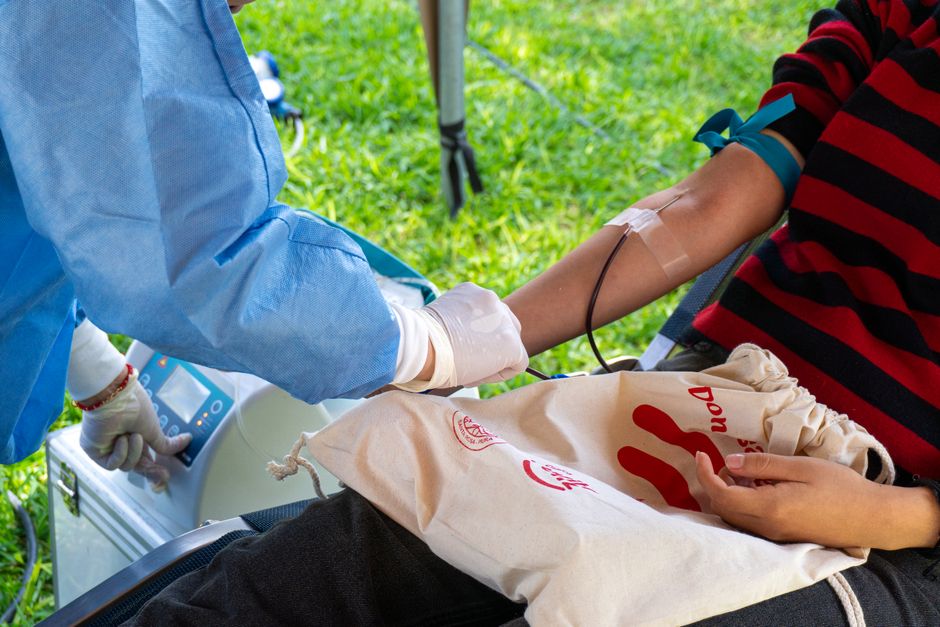
Blood is drawn from a vein in your arm and passed through a device called a cell separator. The machine removes the plasma — the straw-colored liquid portion — and returns your red cells, white cells, and platelets to you, along with some saline fluid. This cycle repeats several times during a single session.
A typical plasma donation takes longer than a whole blood donation, often around an hour or more including setup and monitoring. Whole blood donation usually takes under 15 minutes for the draw itself.
Because fluid is returned to you, staying hydrated before and after matters. Eating a normal meal beforehand and avoiding alcohol the day of donation are common recommendations from centers. These are practical steps, not treatment advice.
Who Should Not Donate Plasma?
Some people should not donate plasma, either permanently or for a period of time.
You may be deferred if you have certain blood-borne infections, active cancer, or specific heart, kidney, or liver conditions. Recent surgery, recent childbirth, or a recent blood transfusion can also trigger a temporary deferral. Travel to areas with certain infectious disease risks may lead to a waiting period.
This list is not complete, and it changes as new information emerges. The screening at the center is designed to catch these situations. Answering screening questions honestly is not just a formality — it protects the person who eventually receives a therapy made from your plasma.
Is Selling Plasma a Good Way to Make Money?
It can be a legitimate source of extra income, but the pay is modest relative to the time involved.
When you factor in travel, screening, the donation itself, and recovery, the effective hourly rate is often low. For some people, especially students or those with flexible schedules, it is worth it. For others, the time cost outweighs the money.
The bigger consideration is your health. Donating plasma regularly is a physical commitment. If you are already run down, underweight, or dealing with an untreated condition, the money is unlikely to be worth the toll.
There is also a real ethical dimension. Plasma collected at paid centers often becomes part of a global supply chain for therapies that treat serious diseases. Donating is not just a transaction — it contributes to a system that many patients depend on.
The Bottom Line on Paid Donation
Paid plasma donation is legal, regulated, and common in the U.S. Paid whole blood donation is not. If you are considering plasma donation for money, the practical steps are straightforward: find a licensed center, expect a screening, hydrate well, and be honest about your health history. If you have any medical condition or take medication, check with your own doctor first. The money is real, but so is the physical cost — and only you and your clinician can weigh those against each other.
Frequently Asked Questions
Can you get paid to donate blood in the US?
No. Federal law prohibits paying donors for whole blood used in transfusion. You may receive small gifts or gift cards, but not cash.
How much money can you make donating plasma?
Pay varies by center and location, and new donor rates are often higher than ongoing rates. There is no single national figure that stays accurate, so check with the specific center you plan to use.
Is donating plasma for money safe?
For most healthy adults, plasma donation is well tolerated, with lightheadedness and bruising being the most common short-term effects. Frequent donation can affect protein levels, so centers monitor donors.
How often can you donate plasma for money?
Federal rules allow up to twice in a seven-day period with at least 48 hours between donations. Many centers set the same or stricter limits.
