

Zinc is a mineral that plays a role in skin health. Some research suggests it can help reduce acne, especially inflammatory lesions. But the evidence is mixed, and zinc is not a standard first-line treatment. Here is what the science shows and what you should know before trying it.
How Does Zinc Work on Skin?
Zinc affects several processes linked to acne. It has anti-inflammatory properties, which may calm red, swollen pimples. It also has mild antibacterial effects against Cutibacterium acnes, the bacteria involved in acne. Zinc helps wound healing, so it may help skin recover after breakouts. Some studies suggest it can reduce sebum (oil) production, though the evidence is less clear on that point.
These mechanisms make zinc biologically plausible for acne treatment. But biological plausibility does not guarantee clinical effectiveness. The real question is whether zinc works well enough in practice to be worth using.
Does Zinc Help Acne? What Research Shows
Several studies have tested oral zinc for acne. A 2014 review analyzed randomized controlled trials and concluded that oral zinc can reduce inflammatory acne lesions. However, the effect was modest, and many participants dropped out because of side effects, mainly nausea and stomach upset.
Most studies used high doses of zinc — typically 30 to 150 mg of elemental zinc per day. For comparison, the recommended dietary allowance is 11 mg for men and 8 mg for women. The tolerable upper intake level is 40 mg per day from food and supplements combined. So the doses used in acne studies often exceed the upper limit.
Topical zinc has also been studied. Zinc oxide, a common sunscreen ingredient, can reduce skin irritation. But its effect on active acne is less clear. Zinc pyrithione, found in some cleansers and creams, may have antibacterial properties. However, research on topical zinc for acne is limited and inconsistent.
Is Oral Zinc Effective for Acne?
The short answer is that it may help some people, but it is not a reliable treatment for everyone. Studies show that people with lower baseline zinc levels tend to respond better. This makes sense — if your body lacks zinc, replenishing it can improve skin function. But most people in the United States get enough zinc from food. Zinc deficiency is uncommon here.
If you have a balanced diet that includes meat, shellfish, nuts, and seeds, your zinc levels are likely adequate. Taking extra zinc beyond that has not been shown to provide acne benefits for people who are not deficient. Some research indicates that oral zinc is roughly comparable to mild antibiotics like tetracycline for reducing acne, but the side effect profile is less favorable.
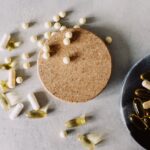



Can Zinc Supplements Help with Acne?
If you are considering a zinc supplement for acne, understand the limits. No major medical organization currently recommends zinc as a standard acne treatment. It is not supported by large, high-quality clinical trials. The American Academy of Dermatology mentions zinc as a possible alternative treatment, but with weak evidence.
The form of zinc matters. Zinc gluconate is the most studied for acne. Zinc sulfate is also used but can cause more digestive upset. Zinc picolinate may be better absorbed, but it has not been specifically tested for acne. Avoid zinc oxide supplements — they are not well absorbed.
Dosing is tricky. Even 30 mg of elemental zinc per day can cause nausea in some people. Taking supplements with food reduces nausea but also may reduce absorption. Zinc can also interfere with copper absorption over time, potentially leading to copper deficiency. This is why many zinc supplements include copper.
What Are the Risks of Taking Zinc for Acne?
Zinc toxicity is real and can be serious. Symptoms of excessive zinc intake include nausea, vomiting, diarrhea, stomach cramps, and headache. Long-term high doses (over 40 mg per day) can cause copper deficiency, nerve damage, and impaired immune function. The National Institutes of Health warns against prolonged use of high-dose zinc supplements.
Zinc can also interact with medications. It may reduce the absorption of antibiotics like tetracyclines and quinolones. It can interfere with diuretics and penicillamine. If you take any prescription medication, talk to your doctor before adding a zinc supplement.
Pregnant and breastfeeding women have different zinc needs and should not exceed the recommended intake without medical guidance. No established safe dose for acne exists in these populations.
Other Ways Zinc May Help Acne
Topical zinc is widely available in over-the-counter products. Zinc oxide is commonly found in sunscreens and barrier creams. It has mild anti-inflammatory effects and can protect the skin from irritation. Some people find that using a zinc oxide based sunscreen helps calm acne and prevent post-inflammatory hyperpigmentation.
Zinc pyrithione is used in dandruff shampoos and some facial cleansers. It has antimicrobial properties and may reduce bacteria and yeast on the skin. However, its effectiveness specifically for facial acne is not well established in clinical studies.
Another form, zinc acetate, is sometimes used in creams to treat diaper rash. It may also reduce inflammation in acne lesions, but again, formal evidence is lacking.
Zinc in Your Diet vs. Supplements
Getting zinc from food is safer and more effective than supplements for most people. Good dietary sources include oysters, beef, crab, lobster, pork, chicken, beans, nuts, whole grains, and fortified cereals. Bioavailability is higher from animal sources than from plant sources.
If you have a restricted diet, such as vegan or vegetarian, you may have lower zinc intake. But even then, supplements are not automatically indicated. A blood test can tell you if you are truly deficient. Talk to your doctor about testing before starting zinc supplements for acne.
The Bottom Line on Zinc and Acne
Zinc can reduce acne inflammation in some people, particularly those with low zinc levels. But it is not a powerful treatment, and high doses come with risks. Oral zinc supplements should not be your first approach to acne management. Standard treatments — benzoyl peroxide, salicylic acid, retinoids, and antibiotics — have stronger evidence. If you want to try zinc, start with food sources or a low-dose supplement (15–30 mg) for a limited time under medical supervision. Track your skin response and stop if side effects occur.
Frequently Asked Questions
Can zinc supplements cure acne?
No, zinc supplements do not cure acne. They may help reduce inflammation in some people, but the effect is modest and inconsistent.
How much zinc should I take for acne?
No standard dose exists for acne. Studies used 30 to 150 mg daily, but the safe upper limit is 40 mg per day from supplements and food combined. Ask your doctor for guidance.
Is topical zinc good for acne?
Topical zinc oxide may soothe irritated skin, but strong clinical evidence for treating active acne is lacking. Zinc pyrithione in cleansers may help reduce bacteria, but results vary.
Can zinc cause side effects?
Yes, especially at high doses. Common side effects include nausea, vomiting, and stomach upset. Long-term high intake can lead to copper deficiency and nerve problems.
