
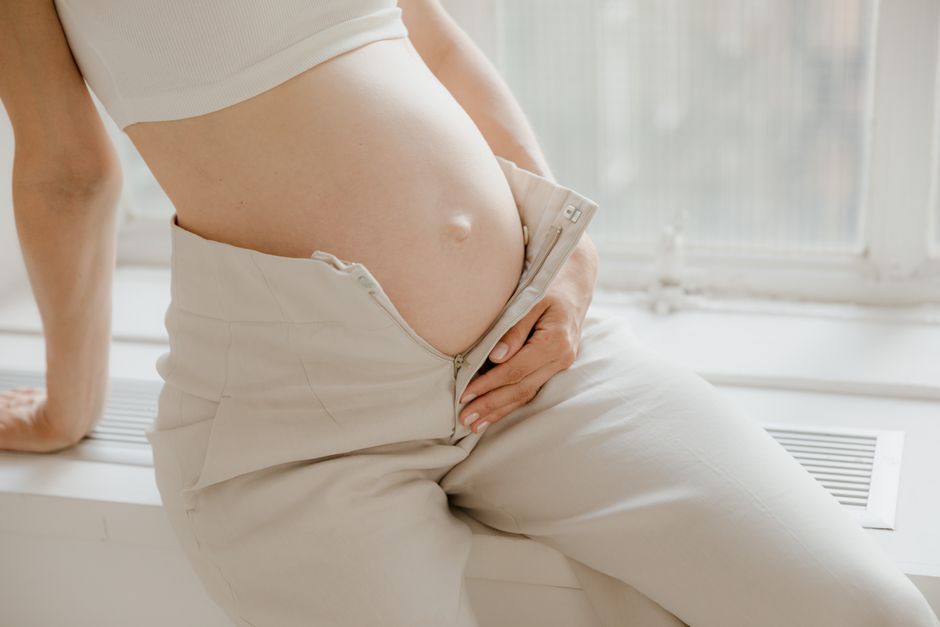
A hard, tight belly during pregnancy is usually a normal sign that your uterus is contracting. These contractions are called Braxton Hicks contractions, and they are your body’s way of practicing for labor. They can start as early as the second trimester, though many people notice them more in the third trimester. They are typically irregular, come and go, and do not mean labor has started.
Why Does Your Tummy Get Hard When Pregnant?
The hardness you feel is your uterine muscle tightening. The uterus is a large, hollow muscle. When its fibers contract, the whole organ becomes firm and presses outward against your abdominal wall. That is the hard feeling you notice with your hand.
Braxton Hicks contractions are the most common reason for this. They are named after John Braxton Hicks, the English doctor who first described them in the 1870s. These contractions are not painful for most people. They feel like a tightening or a band of pressure that lasts for a short time and then releases.
Your growing baby also contributes to the sensation. As the uterus expands, the abdominal wall stretches. The skin and muscles across your belly become thinner and more taut. This can make the entire area feel firmer than usual, even between contractions.
Other normal causes include:
- Gas and bloating. The digestive system slows during pregnancy. This can cause pressure and a feeling of fullness that makes the belly feel hard.
- Baby’s position. When the baby pushes their back or bottom against the front of your uterus, that spot can feel especially firm.
- Full bladder. A full bladder pushes the uterus upward and can make the belly feel tighter.
- Movement. Standing up quickly, exercising, or even touching your belly can trigger a contraction.
How Can You Tell Braxton Hicks From Real Labor Contractions?
Braxton Hicks contractions are irregular and do not get closer together over time. Real labor contractions follow a pattern. They get longer, stronger, and closer together. They also do not go away when you change position or rest.
Here is a direct comparison:
| Feature | Braxton Hicks | True Labor |
|---|---|---|
| Pattern | Irregular, no rhythm | Regular, predictable |
| Frequency | Does not increase | Gets closer together |
| Intensity | Stays the same or fades | Gets stronger |
| Duration | Short, often under a minute | Longer, often 30-70 seconds each |
| Change with movement | Often stops if you move or rest | Continues regardless of position |
| Location | Usually front of belly | Often starts in back, wraps around to front |
One detail that surprises many people: true labor contractions often feel like strong menstrual cramps that start in the lower back and radiate forward. Braxton Hicks tend to stay in the front of the belly. This is a general pattern, not a rule. Some people feel them differently.
If you are unsure whether you are in labor, call your healthcare provider. They can assess you. Do not wait if you are before 37 weeks.
When Is a Hard Tummy a Sign of Something Serious?
A hard belly can sometimes signal a problem that needs medical attention. The key difference is whether the hardness comes with other symptoms or follows a pattern that suggests preterm labor.
Call your healthcare provider right away if you have:
- Contractions that come every 10 minutes or more often before 37 weeks
- Fluid leaking from the vagina
- Vaginal bleeding
- Lower back pain that does not go away
- Pelvic pressure that feels like the baby is pushing down
- A hard belly that stays hard and does not relax
- Severe pain with the tightening
These can be signs of preterm labor. Preterm labor is when the uterus starts contracting and the cervix begins to open before 37 weeks. It affects a minority of pregnancies, but it is the main reason to take early contractions seriously.
A persistently hard, painful belly can also be a sign of placental abruption. This is when the placenta separates from the uterine wall before delivery. It is rare but serious. It usually comes with bleeding and constant pain, not the wave-like tightening of contractions.
Severe preeclampsia can also cause upper abdominal pain and a rigid-feeling belly. Preeclampsia is a condition marked by high blood pressure and signs of organ damage, typically after 20 weeks. It requires urgent care.
Do not try to diagnose yourself. If something feels wrong, get checked.





What Triggers Braxton Hicks Contractions?
Many everyday things can set off a Braxton Hicks contraction. Knowing your triggers can help you tell them apart from labor.
Common triggers include:
- Dehydration
- A full bladder
- Physical activity or lifting
- Sexual activity
- Someone touching or pressing on your belly
- Stress or anxiety
- Standing for long periods
Dehydration is one of the most common and most overlooked triggers. When you are low on fluids, the uterus can become irritable and contract more easily. Drinking water often quiets them down within a short time.
If a contraction starts, try changing what you are doing. Sit down. Drink a glass of water. Empty your bladder. Take slow breaths. For most people, the tightening eases within a few minutes.
What Does It Mean If Your Belly Gets Hard Early in Pregnancy?
Early in pregnancy, a hard belly is usually not from contractions. The uterus is still small and sits low in the pelvis. It is not yet large enough to press against the abdominal wall in a way you would feel as a hard belly.
More likely causes in the first trimester or early second trimester include:
- Bloating. Hormonal changes slow digestion and cause gas. This is a very common cause of a firm-feeling belly early on.
- Constipation. Also common in early pregnancy and can cause abdominal pressure.
- Normal uterine growth. The uterus is expanding, and you may feel a firmness low in the abdomen as it rises out of the pelvis.
Braxton Hicks contractions usually do not start until the second trimester or later. Some people never notice them at all. If you feel regular, painful contractions before 37 weeks, that is not normal and should be evaluated.
Should You Worry About a Hard Tummy During Pregnancy?
Most of the time, a hard tummy during pregnancy is not a cause for worry. It is a normal part of how the uterus works. The muscle tightens and relaxes many times a day, especially in the later months.
What matters is the pattern. Occasional, irregular tightening that goes away when you rest or drink water is expected. Contractions that become regular, painful, or come with other symptoms need attention.
Some people find that keeping a simple log helps. Note the time, how long the tightening lasts, and what you were doing. This information is useful if you need to call your provider. It also helps you see whether a pattern is forming.
There is no way to stop Braxton Hicks contractions completely, and you would not want to. They are part of your body preparing for birth. But you can reduce how often they bother you by staying hydrated, emptying your bladder regularly, and resting when you need to.
If you are ever unsure, call your healthcare provider. That is what they are there for. Trust your instincts. You know your body better than anyone.
Frequently Asked Questions
Does your tummy get hard when pregnant?
Yes, a hard tummy is common during pregnancy. It is usually caused by Braxton Hicks contractions, which are normal practice contractions of the uterus.
How do I know if my hard belly is labor or Braxton Hicks?
Labor contractions are regular, get stronger, and do not stop when you change position. Braxton Hicks are irregular and usually ease with rest or water.
When should I call my doctor about a hard tummy?
Call right away if contractions come every 10 minutes or more often before 37 weeks. Also call if you have bleeding, fluid leaking, or constant severe pain.
Can a hard tummy at 20 weeks be normal?
Yes, Braxton Hicks can start in the second trimester, including around 20 weeks. They are usually mild and irregular at this stage.
