
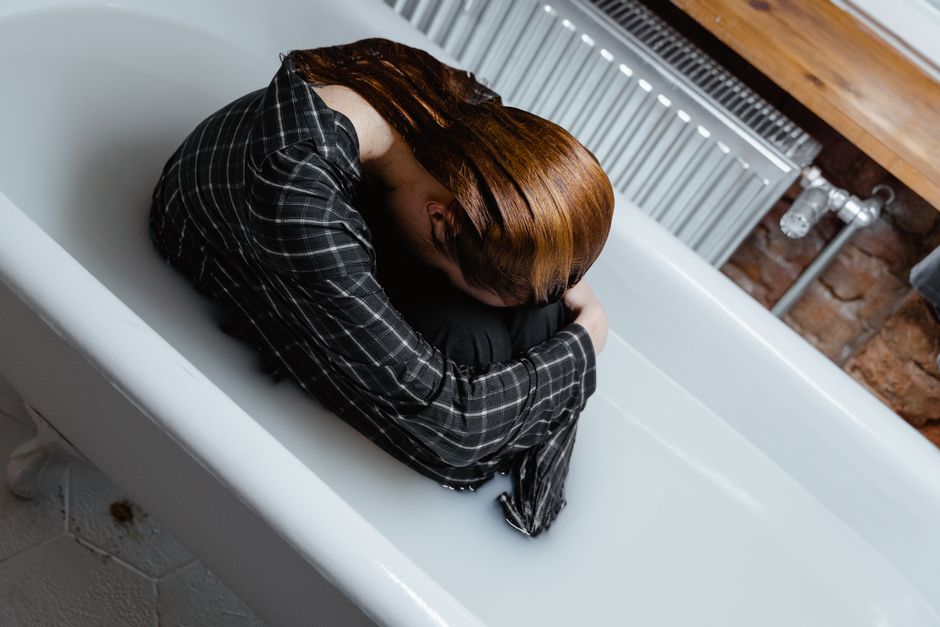
If you feel your mood drop as the days get shorter, you are not imagining it. For many people, winter genuinely does make depression worse. The clearest reason is reduced daylight, which shifts the body’s internal clock and can affect mood-regulating brain chemistry. Seasonal patterns are real, and they are treatable.
Does Winter Make Depression Worse? What the Evidence Shows
Yes, for a meaningful number of people. Winter can worsen existing depression and can also trigger a seasonal pattern of depression in people who feel fine the rest of the year.
The best-known form is seasonal affective disorder, often called SAD. It is not a separate disease. It is a pattern of major depression that returns at the same time each year, most often in fall and winter, and lifts in spring. The American Psychiatric Association recognizes this seasonal pattern as a specifier that can be added to a diagnosis of major depressive disorder or bipolar disorder.
Winter does not cause depression in everyone. Many people notice mild winter blues without meeting the criteria for a depressive episode. Others have no seasonal shift at all. The distinction matters because the two situations call for different responses.
One non-obvious point: the trigger is not cold weather. It is the change in light. People in sunny but cold climates can be affected less than people in milder climates with gray, short days. Light is the variable that lines up most consistently with the seasonal pattern.
Why Does Less Daylight Affect Mood?
Light is a biological signal, not just something you see with. Specialized cells in the retina send information about brightness directly to a region of the brain called the suprachiasmatic nucleus, which acts as the body’s master clock.
That clock sets the timing of sleep, hormone release, body temperature, and many other daily rhythms. When daylight hours shrink, this timing can shift. The result for some people is a set of changes that look a lot like depression.
Researchers have proposed several mechanisms, and the evidence is strongest for the circadian one:
- Circadian shift. The internal clock drifts out of sync with the day-night cycle, which can disturb sleep and mood.
- Serotonin signaling. Serotonin is a brain chemical involved in mood. Some studies suggest its activity varies with season, though findings are not fully consistent.
- Melatonin timing. Melatonin helps regulate sleep. Its release can shift with shorter days, which may leave people feeling sluggish.
- Vitamin D. Levels often fall in winter because skin makes less of it with less sun exposure. The link between low vitamin D and depression is debated, and trials of supplements have not shown clear mood benefits for most people.
No single mechanism explains every case. The biology is real but not fully mapped, and it likely differs from person to person.
What Are the Signs of Winter Depression?
The core symptoms are the same as those of major depression. What can set the winter pattern apart is a tendency toward certain “atypical” features.
Common signs include:
- Persistent low mood, sadness, or a flat, empty feeling
- Loss of interest or pleasure in things you normally enjoy
- Low energy and fatigue
- Sleeping too much rather than too little
- Increased appetite, especially cravings for carbohydrates and sweets
- Weight gain
- Difficulty concentrating
- Feeling hopeless, worthless, or guilty
- Withdrawing from friends and activities
Some people with winter depression sleep more and eat more. That is the opposite of the classic “can’t sleep, can’t eat” picture many people expect. This difference is one clue that points toward a seasonal pattern.
To meet criteria for a seasonal pattern, the episodes need to have started and stopped at roughly the same time of year for at least two years, with full recovery in between. A single rough winter is not enough to make the diagnosis.
If you are having thoughts of harming yourself, that is a medical emergency. In the US you can call or text 988 to reach the Suicide and Crisis Lifeline at any time.





How Is Winter Depression Treated?
Several treatments have solid evidence behind them. Which one fits depends on how severe your symptoms are and your health history. A clinician can help you decide.
Light therapy is the most studied option for the seasonal pattern. It involves sitting near a specially designed light box that gives off a bright, white light, usually in the morning. The intensity and timing matter, and the devices sold for this purpose are not the same as ordinary lamps. Because dosing and timing vary, this is best set up with a clinician rather than guessed at. Side effects can include headache, eye strain, and agitation, and it is not right for everyone, including people with certain eye conditions or those taking medicines that make skin sensitive to light.
Talk therapy, particularly cognitive behavioral therapy, has good evidence for depression generally and for the seasonal pattern specifically. A form adapted for winter depression focuses on changing thought patterns and building behavioral routines that hold up when daylight is scarce.
Medication may be recommended for moderate to severe symptoms or when other approaches are not enough. Antidepressants are prescribed by a clinician, and the choice and dose are individual. Do not start or stop a psychiatric medication without medical guidance.
Vitamin D supplements are widely marketed for winter mood. The evidence here is limited. Some studies suggest a link between low vitamin D and depression, but trials have generally not shown that supplementing improves mood in people who are not deficient. If you are unsure about your level, ask a clinician rather than self-dosing.
For milder symptoms, some people find that getting outside in the morning, keeping a regular sleep schedule, and staying socially connected helps. These are reasonable habits, though they are not a substitute for treatment when symptoms are significant.
Can You Prevent Winter Depression Before It Starts?
If you have had the seasonal pattern before, you may be able to get ahead of it. Because the timing is predictable, some clinicians recommend starting light therapy or other treatment in early fall, before symptoms typically appear, rather than waiting.
That said, the evidence for prevention specifically is not as strong as the evidence for treatment once symptoms are present. It is a reasonable strategy that many clinicians use, not a guaranteed shield.
Practical steps that support mood through the darker months:
- Get morning light when you can, ideally outdoors within an hour or two of waking
- Keep wake and sleep times consistent, including weekends
- Stay physically active, which has its own evidence for mood
- Keep up social contact, since withdrawal tends to deepen low mood
- Plan something to look forward to during the darkest weeks
None of these replaces professional care if symptoms are moderate or severe. They work best alongside it.
When Should You Get Help?
Reach out to a doctor or mental health professional if low mood lasts more than a couple of weeks, if it interferes with work, relationships, or daily functioning, or if you notice the same pattern repeating each year.
Get help sooner if symptoms are severe, if you are not sleeping or eating, or if you have thoughts of self-harm. Depression is a medical condition, not a personal failing, and it responds to treatment. Asking for help is a reasonable first step, not a last resort.
A clinician can also rule out other causes that mimic depression, such as thyroid problems, anemia, or sleep disorders. Those are worth checking because they change the treatment plan.
Frequently Asked Questions
Does winter make depression worse?
Yes, for many people, mainly because of reduced daylight rather than cold temperatures. Winter can worsen existing depression and can trigger a seasonal pattern in those prone to it.
What are the main signs of winter depression?
Signs include low mood, fatigue, sleeping too much, increased appetite with carb cravings, and loss of interest in usual activities. These symptoms tend to return at the same time each year and lift in spring.
Is light therapy effective for winter depression?
Light therapy is the most studied treatment for the seasonal pattern and has good evidence behind it. Timing and intensity matter, so it is best set up with a clinician rather than guessed at.
Can vitamin D fix winter depression?
The evidence is limited and trials have generally not shown that supplementing improves mood in people who are not deficient. It is not a proven stand-alone treatment for winter depression.
