
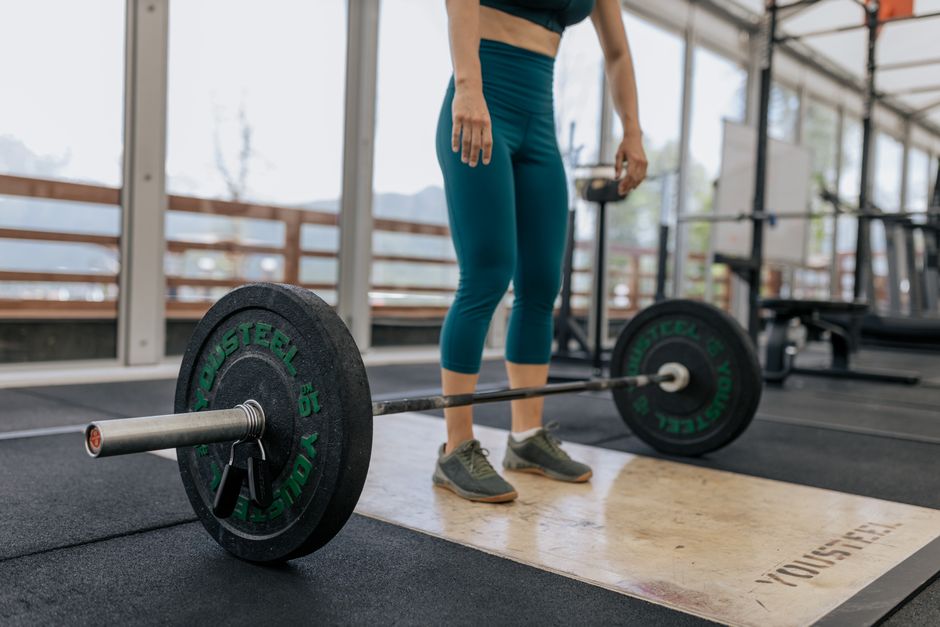
Lifting weights can help with weight loss, but not in the way most people expect. It burns fewer calories during the workout than running or cycling. Its real value is protecting muscle while you lose fat, which keeps your metabolism from slowing down as much. So yes, it helps, but it works best alongside a calorie deficit and regular movement, not on its own.
Does Weight Lifting Help in Weight Loss at All?
It does, but the effect is indirect. A 30-minute weight training session might burn somewhere in the range of 90 to 150 calories depending on your body size and how hard you work. A 30-minute run at a moderate pace burns considerably more. If calorie burn during exercise were the only thing that mattered, lifting would lose that contest.
Where lifting earns its place is in what happens over weeks and months. When you eat fewer calories than you burn, your body pulls energy from stored fat and, to some degree, from muscle. Resistance training signals your body to hold onto muscle tissue. That signal matters because muscle is metabolically active tissue. Lose enough of it and your resting energy expenditure drops, which makes further fat loss harder.
Research on this is fairly consistent. Studies comparing dieters who lift weights against dieters who only cut calories tend to show similar total weight loss, but the lifters lose more fat and less lean mass. That distinction does not always show up on a bathroom scale, which is one reason weight lifting gets underrated as a weight loss tool.
Why the Scale Can Be Misleading
Muscle is denser than fat. A pound of muscle takes up less space than a pound of fat. When you start lifting while losing fat, the scale can stall even though your body composition is improving.
This is not a reason to ignore the scale entirely, but it is a reason not to treat it as your only measure. Waist circumference, how clothes fit, and progress photos often tell a more accurate story during a lifting program. Some people also notice their weight goes up slightly at first, usually from increased muscle glycogen and water storage, which is temporary and not fat gain.
Body composition changes take time. Noticeable shifts in muscle and fat distribution typically take several weeks to months of consistent training and nutrition, not days. Anyone promising faster is selling something.
How Does Muscle Affect Your Metabolism?
Muscle burns more calories at rest than fat, but the difference is smaller than most fitness marketing suggests. Estimates vary, but the gap is generally described in the range of a few calories per pound of tissue per day. A person who adds several pounds of muscle will not suddenly be able to eat whatever they want.
The bigger metabolic effect of lifting comes from preserving the muscle you already have. During weight loss, resting metabolic rate tends to fall. Some of that drop is unavoidable. Losing lean mass makes it worse. Lifting blunts that decline, which helps you keep losing fat without cutting calories to unsustainable levels.
There is also an afterburn effect, sometimes called excess post-exercise oxygen consumption. Your body keeps burning slightly more calories for a while after a hard lifting session. It is real, but modest. It does not offset a poor diet.





What About Cardio Versus Weights?
Both have a place, and the honest answer is that doing both tends to work better than choosing one. Cardio burns more calories per session. Lifting protects muscle and supports strength, bone density, and function as you age.
If your only goal is the number on the scale and you have limited time, cardio will move it faster in the short term. If your goal is to lose fat while keeping a body that functions well and does not rebound, lifting deserves a consistent spot in your week.
For most people, a reasonable approach is two to three full-body lifting sessions per week plus some cardiovascular activity, whether that is walking, cycling, swimming, or anything else you will actually do. The best program is the one you stick with.
Does Diet Still Matter More?
Yes. Weight loss ultimately comes down to a calorie deficit. No amount of lifting will overcome consistently eating more than you burn. This is the part people most want to skip, and it is the part that matters most.
That said, the type of diet interacts with training. Getting enough protein helps preserve muscle during a deficit. General guidance from nutrition and sports organizations suggests higher protein intake for people doing resistance training while in a calorie deficit, though exact targets vary by body weight, age, and activity level. If you have kidney disease or another condition affecting protein metabolism, talk to your doctor before increasing intake.
You do not need a perfect diet. You need a sustainable one that creates a modest deficit and provides enough protein and overall nutrition to support training and recovery.
What Results Should You Realistically Expect?
Fat loss from any approach is slower than most people hope. A commonly cited range for sustainable loss is about one to two pounds per week, and even that is often faster than what happens in practice over the long run. Adding lifting does not speed up fat loss directly. It changes what you lose.
Strength gains tend to show up before visible body changes. You may find you can lift more within a few weeks, partly from nervous system adaptations rather than new muscle tissue. Visible muscle definition usually takes longer and depends heavily on how much fat you still have to lose.
Plateaus happen. They are normal. They usually mean it is time to adjust calories, activity, or recovery, not that lifting stopped working.
Who Should Be Careful With Weight Lifting?
Lifting is generally safe for most healthy adults when done with reasonable form and progression. That said, it is not risk-free, and certain groups should get medical clearance first.
- People with uncontrolled high blood pressure, heart conditions, or recent cardiac events
- People with hernias, recent surgeries, or certain joint or spine conditions
- Pregnant women, who should follow guidance from their obstetric provider about what is appropriate
- Older adults new to training, who benefit from starting with supervision or a structured program
Beginners often do best starting with lighter weights, learning movement patterns, and increasing load gradually. Soreness in the days after a new workout is common and not a sign of damage. Sharp pain during a lift is different and worth getting checked.
If you have any medical condition or take medications that affect blood pressure, blood sugar, or bleeding risk, check with your doctor before starting a new program. This is not a formality. It is how you avoid the injuries that give lifting a bad reputation.
The Bottom Line
Weight lifting helps with weight loss mainly by preserving muscle while you lose fat, which supports your metabolism and body composition over time. It is not a fast fix and it does not replace a calorie deficit. Paired with sensible eating and some cardio, it is one of the more reliable tools you have for losing fat without losing the body that burns calories.
Frequently Asked Questions
Does weight lifting help you lose belly fat?
Lifting helps reduce overall body fat when combined with a calorie deficit, but you cannot target fat loss to one area. Spot reduction through exercise alone is not supported by evidence.
How often should I lift weights to lose weight?
Most general fitness guidelines suggest resistance training two to three times per week for adults. More frequent sessions can work but recovery and total training load matter.
Can I lose weight with weight lifting alone?
Only if you are also in a calorie deficit. Lifting supports fat loss and muscle retention, but it does not create the deficit on its own.
Will lifting weights make me bulky instead of lean?
Gaining large amounts of muscle requires a calorie surplus and years of dedicated training. In a calorie deficit, most people lose fat and gain little to no visible muscle size.
