
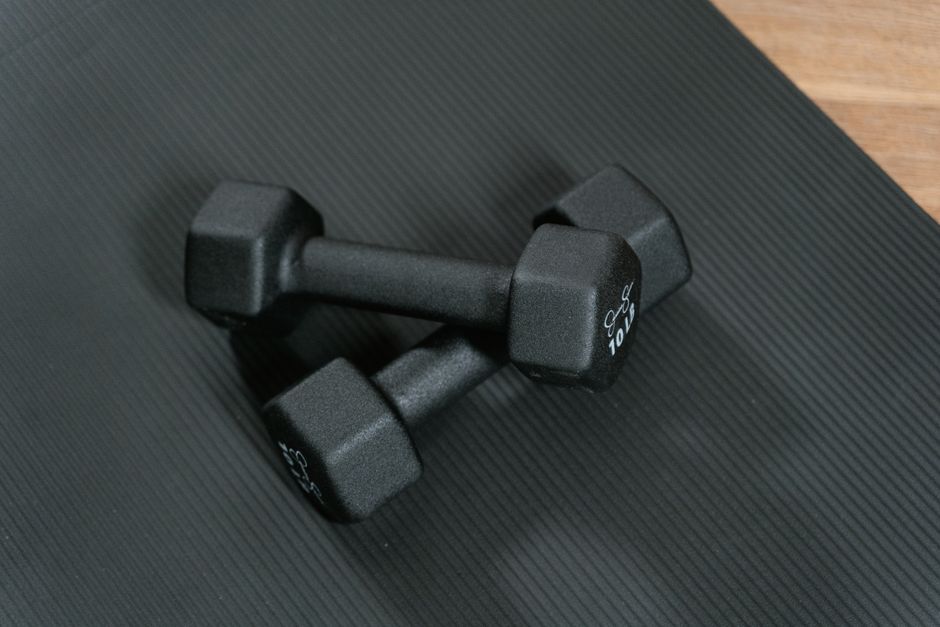
Weight lifting burns fat, but not the way most people think. It does not burn a high number of calories during the workout itself. Its real fat-burning power comes from building muscle, which raises your resting metabolism so you burn more calories around the clock. For lasting fat loss, weight lifting is one of the most effective tools you can use.
Does Weight Lifting Burn Fat During the Workout?
The short answer is yes, but the number is modest. A typical weight lifting session burns fewer calories per minute than running or cycling. The exact number depends on your body weight, the intensity of the workout, and how much rest you take between sets.
That said, the calorie burn does not stop when you leave the gym. Your body needs energy to repair muscle tissue after resistance training. This process, called excess post-exercise oxygen consumption (EPOC), keeps your metabolism elevated for hours after your session. The effect is real but not huge. It does not justify eating back everything you burned.
What matters more is what happens over weeks and months. Weight lifting changes your body composition. It increases muscle mass, and muscle tissue burns more calories at rest than fat tissue does. This is the foundation of why lifting weights supports long-term fat loss.
How Muscle Mass Affects Your Metabolism
Muscle is metabolically active tissue. Every pound of muscle burns more calories at rest than a pound of fat. The difference is not massive per pound, but it adds up across your whole body.
When you gain muscle, your resting metabolic rate goes up. Resting metabolic rate is the number of calories your body burns just to keep you alive — breathing, circulating blood, maintaining body temperature. A higher resting metabolic rate means you burn more calories every day without doing anything extra.
This is why two people of the same weight can have very different calorie needs. The person with more muscle and less fat burns more calories at rest. Over time, this makes weight maintenance easier and fat loss more sustainable.
Weight Lifting vs. Cardio for Fat Loss
Cardio burns more calories during the workout. That is a fact. A steady run or cycling session will torch more calories in 30 minutes than a typical weight lifting session.
But cardio does not build muscle. In fact, excessive cardio without resistance training can lead to muscle loss, especially when you are eating in a calorie deficit. Losing muscle lowers your resting metabolic rate, which makes fat loss harder over time.
Weight lifting preserves the muscle you already have and can build more. This is critical during fat loss. When you eat fewer calories, your body wants to break down muscle for energy. Resistance training sends a signal to your body to keep that muscle. The result is that more of the weight you lose comes from fat, not muscle.
The best approach for most people is both. Lift weights two to three times per week and add cardio for heart health and extra calorie burn. This combination gives you the metabolic benefits of muscle and the immediate calorie burn of cardio.




How Often Should You Lift Weights to Lose Fat?
Two to three full-body sessions per week is a solid starting point. This frequency gives your muscles enough stimulus to grow while allowing adequate recovery time between sessions.
Each session should include compound exercises. These are movements that work multiple muscle groups at once, such as squats, deadlifts, push-ups, rows, and lunges. Compound lifts burn more calories and build more muscle than isolation exercises like bicep curls.
Progressive overload is the key principle. This means gradually increasing the weight, repetitions, or sets over time. Your muscles adapt to the demands you place on them. If you keep doing the same weight for the same reps, your body has no reason to build more muscle. Progressively challenging your muscles forces them to grow stronger and larger.
Consistency matters more than perfection. A moderate program you stick with for months will outperform an aggressive program you quit after three weeks.
Does the Type of Weight Lifting Matter?
Yes, but less than you might think. Both heavy lifting with low repetitions and lighter lifting with higher repetitions can build muscle and support fat loss.
Heavy lifting — around 6 to 12 repetitions per set with challenging weight — is efficient for building strength and muscle. Higher repetition training with lighter weights also builds muscle, especially when taken close to fatigue. The common belief that high-rep lifting “tones” while low-rep lifting “bulks” is not accurate. Muscle growth depends on effort and progressive overload, not just rep ranges.
What matters most is that you are challenging your muscles. If the last few repetitions of a set feel hard, you are in the right zone. If every set feels easy, increase the weight or add more repetitions.
Can You Spot-Reduce Fat by Lifting a Specific Area?
No. Spot reduction is a myth. Doing hundreds of crunches will not specifically burn belly fat. Doing arm exercises will not specifically burn arm fat.
Fat loss happens throughout your body based on genetics and hormones. Your body decides where it mobilizes fat from, and you cannot override that with targeted exercises. Some people lose fat from their face first. Others lose it from their legs first. You do not get to choose.
What targeted exercises do is build muscle in those areas. You can build stronger abs or more defined arms while losing fat overall. The muscle will be visible once body fat drops low enough to reveal it. But the fat loss itself is systemic, not local.
What About Diet?
Weight lifting cannot outwork a poor diet. Fat loss requires a calorie deficit — burning more calories than you consume. Exercise helps create that deficit, but diet is the largest factor for most people.
Protein is especially important when lifting weights for fat loss. It supports muscle maintenance and growth while you are in a calorie deficit. It also helps you feel full, which makes eating fewer calories easier.
Aim for a balanced diet with plenty of vegetables, fruits, whole grains, and lean protein. Highly processed foods and sugary drinks deliver calories without much nutrition or satiety. Reducing those is often the simplest dietary change for fat loss.
Common Mistakes That Slow Fat Loss
One common mistake is doing the same workout every session without increasing difficulty. Your body adapts quickly. If you never challenge it, it has no reason to change.
Another mistake is neglecting recovery. Muscle grows during rest, not during the workout. Sleeping poorly or training the same muscles every day limits your results. Aim for at least one full rest day between sessions targeting the same muscle groups.
A third mistake is expecting weight loss to show up on the scale immediately. When you start lifting weights, you may gain a small amount of muscle while losing fat. The scale might stay the same or even go up slightly. Your clothes may fit better and your waist may be smaller, but the scale does not always reflect that. Pay attention to how your clothes fit and how your body looks, not just the number on the scale.
How Long Before You See Results?
Most people notice changes in strength within a few weeks. Visible changes in body composition typically take eight to twelve weeks of consistent training and proper nutrition.
Fat loss is gradual. A sustainable rate is about one to two pounds per week. Faster loss often means losing muscle along with fat, which works against your long-term goals.
Patience is not just a virtue here — it is a requirement. The people who see lasting results are the ones who keep lifting consistently for months and years, not the ones looking for a quick fix.
Frequently Asked Questions
Is weight lifting or cardio better for burning fat?
Weight lifting is better for long-term fat loss because it builds muscle, which raises your resting metabolism. Cardio burns more calories per session, so combining both is the most effective approach.
How many days a week should I lift weights to lose fat?
Two to three full-body sessions per week is a solid starting point for fat loss. This frequency builds muscle effectively while allowing enough recovery time between workouts.
Can I lose belly fat by lifting weights?
Weight lifting helps reduce overall body fat, which includes belly fat, but you cannot target fat loss from one specific area. Consistent resistance training combined with a calorie deficit will reduce belly fat over time.
Will lifting weights make me bulky?
Most people will not become bulky from weight lifting. Building significant muscle mass takes years of dedicated training and a calorie surplus, which is the opposite of what you need for fat loss.
