
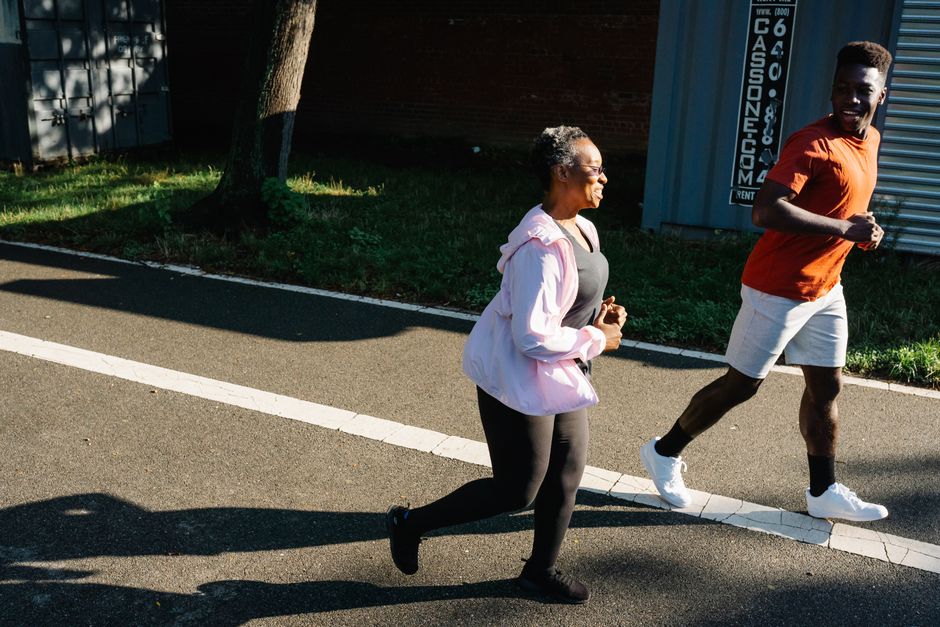
Walking burns calories, and burning more calories than you take in leads to weight loss. That part is settled science. What walking does not do is burn calories fast enough to outrun a poor diet, and that is where most people get disappointed. Used well, walking is one of the most sustainable tools for losing weight and keeping it off. Used as an excuse to eat whatever you want, it rarely moves the scale.
Does Walking Help In Losing Weight?
Yes, but the effect is modest and depends almost entirely on how much you walk, how fast, and what you eat. A 30-minute casual stroll might burn roughly 100 to 150 calories for an average adult. That is real, but it is about the same as a slice of bread with butter. Walk that same 30 minutes at a brisk pace uphill and you might double it.
The math of weight loss is unforgiving. To lose one pound of fat, you need a calorie deficit of roughly 3,500 calories. Walking alone, at a casual pace, would take many hours to create that deficit. This is why exercise researchers have long pointed out that diet changes move the scale faster than exercise does. Walking still matters — it just works best as part of a larger plan, not as the whole plan.
Where walking genuinely shines is in preventing weight regain. People who lose a significant amount of weight and keep it off tend to be highly physically active, and much of that activity is walking. The National Weight Control Registry, which tracks thousands of adults who have maintained substantial weight loss, has consistently found high levels of daily physical activity among its members. Walking is the most common form of that activity.
How Many Calories Does Walking Actually Burn?
Calorie burn from walking varies widely based on body weight, speed, terrain, and duration. Heavier people burn more calories doing the same walk, because moving more mass takes more energy. A slow walk on flat ground burns far less than a brisk walk up hills.
Rough estimates for a 30-minute walk:
- Casual pace (about 2 mph), 155 lb adult: roughly 110–130 calories
- Brisk pace (about 3.5 mph), 155 lb adult: roughly 150–180 calories
- Brisk pace uphill or with a weighted pack: roughly 200–250 calories
- Casual pace, 200 lb adult: roughly 140–160 calories
These are estimates, not precise measurements. Fitness trackers and phone apps often overestimate calorie burn, sometimes substantially. Treat their numbers as a rough guide, not a ledger you can spend against.
One non-obvious point: the “afterburn” effect from walking is small. High-intensity exercise can raise metabolism for hours afterward, but walking is low-intensity, so the extra burn after you stop is minimal. Do not count on it.
How Much Do You Need to Walk to Lose Weight?
There is no single number that works for everyone, and anyone who gives you one is oversimplifying. What matters is the total weekly calorie deficit, and walking is only one input into that.
General physical activity guidelines for adults in the United States recommend at least 150 minutes of moderate-intensity aerobic activity per week, plus muscle-strengthening activity on two or more days. That is a floor for health, not a weight-loss prescription. For weight loss, many clinicians suggest working toward 200 to 300 minutes per week of moderate activity, though individual needs vary.
Practical ways to build volume:
- Walk 30 to 60 minutes most days rather than one long weekend walk
- Add hills or stairs to raise intensity without adding time
- Break walks into 10-minute blocks if a single long walk is not realistic
- Increase daily steps gradually — going from 3,000 to 8,000 steps a day is a bigger change than most people realize
Walking more also tends to reduce time spent sitting, which has its own independent health effects. That is a quiet benefit that does not show up on a calorie tracker.





Why Walking Alone Often Isn’t Enough
Exercise, including walking, tends to increase appetite. Many people unconsciously eat back the calories they just burned, sometimes more. This is one of the best-documented reasons exercise-only weight loss programs underperform.
There is also a compensation effect. After a long walk, people often move less for the rest of the day — sitting more, taking the elevator, skipping errands on foot. The net calorie burn ends up smaller than the walk itself suggested.
Diet quality and total calorie intake remain the strongest levers for weight loss. That does not mean walking is pointless. It means walking works best when paired with eating habits that support a calorie deficit. A person who walks daily and eats moderately will lose weight. A person who walks daily and eats freely usually will not.
Does Walking Speed or Incline Matter?
Yes, meaningfully. Faster walking and walking uphill both raise calorie burn per minute. This is simple physics: more work per unit of time requires more energy.
Incline walking is one of the most efficient ways to increase intensity without running, which matters for people with joint issues. A moderate incline at a brisk pace can burn substantially more calories than flat walking at the same duration. Many people find it easier on the knees than jogging.
Interval walking — alternating faster and slower bouts — can also raise average intensity and may improve cardiovascular fitness more than steady walking. Whether it produces more weight loss than steady walking at the same total duration is less clear from the research. The evidence here is mixed.
The best speed is the one you will actually maintain. A brisk walk you do five days a week beats a fast walk you do once and abandon.
Is Walking Better Than Running for Weight Loss?
Per minute, running burns more calories than walking. That is not in dispute. But per session, and per year, the comparison gets more complicated.
Walking is easier to sustain, easier on joints, and easier to fit into a busy day. Many people who start running programs quit within months due to injury or burnout. Walking has a much lower dropout rate. Over a year, a person who walks consistently may end up burning more total calories than someone who runs sporadically.
Running also tends to suppress appetite more than walking does, at least in the short term, which some research suggests may help with calorie control. But this varies a lot between individuals.
For most people starting out, walking is the better entry point. You can always add intensity later. Starting with something you can maintain beats starting with something you cannot.
How to Make Walking Work for Weight Loss
The people who lose weight through walking usually do a few things differently from those who do not. They walk consistently rather than intensely. They track their food, at least loosely. They build walking into their day rather than treating it as a separate event.
What tends to work:
- Walk daily, even if some days are short
- Combine walking with a modest calorie deficit — usually 300 to 500 calories below maintenance is a common starting point discussed in clinical settings
- Add resistance training two days a week to help preserve muscle mass during weight loss
- Weigh yourself regularly to see whether the plan is working, and adjust if it is not
- Expect slow progress — 0.5 to 2 pounds per week is a typical and sustainable rate
What tends to fail: relying on walking alone, using it to justify eating more, or expecting visible results in the first week. Weight loss from walking is gradual. The scale may not move for the first few weeks even when the plan is working.
If you have heart disease, joint problems, diabetes, or you are pregnant, talk to a clinician before starting a new walking program, especially if you plan to add intensity or duration quickly. Walking is generally low-risk, but individual medical situations vary.
Frequently Asked Questions
Does walking help in losing weight?
Yes, walking helps with weight loss when it contributes to a calorie deficit. On its own, without dietary changes, walking usually produces only modest weight loss.
How long should I walk to lose weight?
Most adults benefit from at least 150 minutes of moderate activity per week, and many clinicians suggest 200 to 300 minutes for weight loss. Individual needs vary based on diet, starting weight, and other factors.
Can I lose belly fat by walking?
Walking can reduce overall body fat, including belly fat, but it does not target the belly specifically. Spot reduction through any single exercise is not supported by evidence.
Is walking or running better for weight loss?
Running burns more calories per minute, but walking is easier to sustain long-term and has a lower injury rate. For most people, consistent walking beats sporadic running.
