
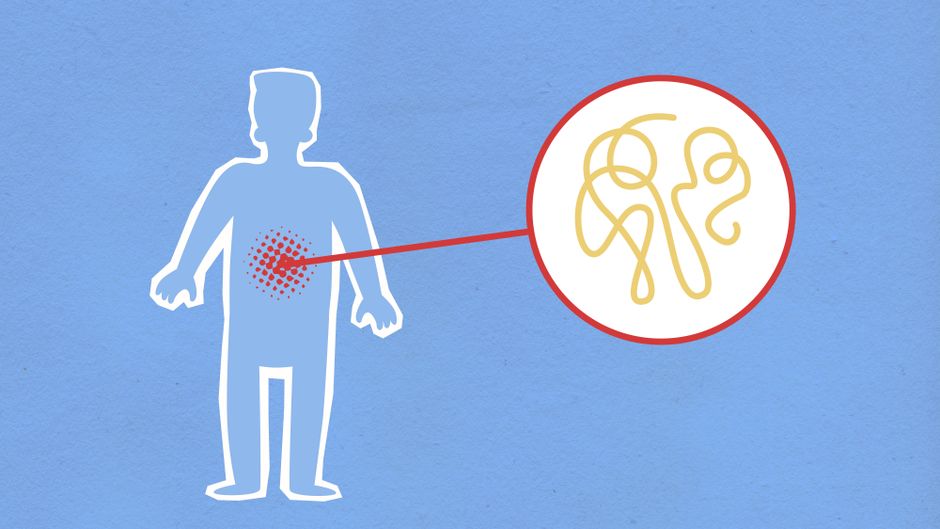
When stomach flu hits, vomiting is often the first sign that something is wrong. Most people want it to stop as quickly as possible. The short answer is that vomiting does not help clear the infection from your system, and forcing yourself to vomit will make the illness worse. Your body vomits as a reflex to protect you, but the act itself does not shorten the duration of a stomach virus.
Why Do We Vomit During Stomach Flu?
Vomiting during a stomach virus is not the body trying to “flush out” the virus. It is a protective reflex triggered by the brain. When your digestive tract detects an invader, it sends a signal to the brain. The brain then coordinates a series of muscle contractions that empty the stomach contents.
This reflex likely evolved to remove toxins or harmful substances before they are absorbed. However, with a viral infection like norovirus, the virus has already entered the cells lining your digestive tract. By the time you vomit, the infection is already established. Emptying your stomach does not remove the virus from those cells.
Think of it like a fire alarm. The alarm warns you of danger, but pulling the alarm down does not put out the fire. The virus is already inside the tissues. Vomiting is a symptom of the infection, not a cure for it.
Does Vomiting Clear the Virus Faster?
No evidence suggests that vomiting helps your body fight off a stomach virus faster. The immune system clears the infection on its own, usually within one to three days. Vomiting does not speed up this process.
Some people believe that “getting it out” will make them feel better sooner. This is a common misconception. The virus has already attached to the intestinal lining. It will multiply there regardless of whether your stomach is empty or full. The infection runs its course based on your immune response, not on how much you vomit.
In fact, vomiting can slow down your recovery. Each episode of vomiting causes fluid loss. It also makes it harder to keep food and liquids down. This can lead to dehydration, which is the main reason stomach flu sends people to the hospital.
When Vomiting Becomes Dangerous
Dehydration is the most serious risk of prolonged vomiting. Your body needs fluids to maintain blood pressure and organ function. When you vomit repeatedly, you lose water and essential electrolytes like sodium and potassium.
Signs of dehydration include dark urine, dry mouth, dizziness, and feeling unusually tired. In severe cases, dehydration can cause confusion, rapid heartbeat, and low blood pressure. This is a medical emergency.
Certain groups are at higher risk for dehydration. Young children, older adults, and pregnant women lose fluids faster. If someone in these groups cannot keep any fluids down for more than a few hours, they should contact a healthcare provider.
Vomiting blood or vomiting that lasts more than two days in an adult is a reason to seek medical attention. Severe abdominal pain that does not go away after vomiting also warrants a call to a doctor.





Should You Take Medicine to Stop Vomiting?
Anti-nausea medications can be helpful, but they are not for everyone. Over-the-counter options like bismuth subsalicylate (the active ingredient in Pepto-Bismol) can help with mild nausea in adults. They are not recommended for children or teenagers recovering from a viral illness due to the risk of Reye’s syndrome, a rare but serious condition.
Prescription anti-nausea medications such as ondansetron are sometimes used in emergency settings. Doctors may give these to people who are severely dehydrated to help them tolerate oral fluids. These medications require a prescription and should only be used under medical supervision.
For most healthy adults, letting the vomiting run its course while staying hydrated is the standard approach. The vomiting usually stops within 24 to 48 hours as the immune system gains control over the virus.
What Actually Helps You Feel Better
The most important thing you can do is prevent dehydration. Sip small amounts of clear liquids frequently. Water is fine, but oral rehydration solutions like Pedialyte contain the right balance of sugar and electrolytes. Sports drinks can work in a pinch, but they often contain too much sugar and not enough sodium.
Start with small sips every five to ten minutes. If you can keep those down, gradually increase the amount. Do not gulp large amounts of fluid at once, as this can trigger more vomiting.
Once vomiting stops for a few hours, you can try eating bland foods. The BRAT diet — bananas, rice, applesauce, and toast — is a traditional recommendation. These foods are easy on the stomach and provide some energy. You do not need to strictly follow this diet, but avoiding spicy, fatty, or highly processed foods is wise for the first day or two.
Rest is also essential. Your immune system works harder when you are fighting an infection. Sleeping and taking it easy gives your body the energy it needs to clear the virus.
Does Vomiting Help Stomach Flu Or Make It Worse?
Vomiting makes the stomach flu worse in terms of how you feel and your risk of complications. It does not help your body fight the infection. Every episode of vomiting depletes your fluid reserves and leaves you weaker.
The vomiting itself is not the illness. It is a symptom. Trying to suppress it with medication is sometimes appropriate, but forcing yourself to vomit is never helpful. If you feel nauseous, let your body do what it needs to do, but focus your energy on hydration and rest.
There is no way to “sweat out” a virus or “flush it out” by vomiting. These are myths that persist because people want an explanation for why they feel so terrible. The honest explanation is that your immune system needs time to recognize and destroy the virus. Nothing you do will speed that up significantly.
How Stomach Flu Spreads and How to Prevent It
Stomach flu is highly contagious. The viruses that cause it — norovirus being the most common — spread through tiny particles of vomit or stool. You can get sick by touching a contaminated surface and then touching your mouth. You can also get it from contaminated food or water.
Handwashing is the single most effective prevention measure. Soap and water work better than alcohol-based hand sanitizers against norovirus. Scrub for at least 20 seconds, especially after using the bathroom and before preparing food.
If you are sick, stay home until at least 48 hours after your symptoms stop. This is the standard public health recommendation because you can still shed the virus after you feel better. Clean contaminated surfaces with a bleach-based cleaner, as many household disinfectants do not kill norovirus.
Wash laundry thoroughly if clothing or bedding becomes soiled. Handle dirty laundry carefully to avoid shaking particles into the air. These steps reduce the chance of spreading the virus to family members or coworkers.
When to See a Doctor
Most cases of stomach flu resolve without medical treatment. You do not need to see a doctor for every bout of vomiting. However, certain signs should prompt a call to your healthcare provider.
Adults should seek medical care if they cannot keep fluids down for 24 hours, if they show signs of severe dehydration, or if they vomit blood. Vomiting accompanied by a high fever — above 101.5°F — or severe headache also warrants medical evaluation.
Infants and young children need medical attention sooner. Call a doctor if a child under six months has vomiting, if vomiting lasts more than 12 hours in a child, or if the child shows signs of dehydration such as no wet diapers for six hours or crying without tears.
Pregnant women who vomit for more than a few hours should contact their obstetrician. Prolonged vomiting can deplete nutrients and fluids needed by both mother and baby.
Frequently Asked Questions
Should I force myself to vomit if I have stomach flu?
No. Forcing yourself to vomit does not remove the virus or shorten the illness. It only increases fluid loss and makes dehydration more likely.
How long does vomiting last with stomach flu?
Vomiting typically lasts 24 to 48 hours in most healthy adults. If vomiting continues beyond two days, contact a healthcare provider.
What is the best thing to drink when you have stomach flu?
Oral rehydration solutions like Pedialyte are the best choice because they replace fluids and electrolytes. Water is acceptable, but it does not replace the sodium and potassium lost through vomiting.
Can anti-nausea medicine stop stomach flu vomiting?
Prescription anti-nausea medication can stop vomiting, but it does not cure the infection. Over-the-counter options are limited and some are not safe for children, so ask a pharmacist or doctor before taking anything.
