
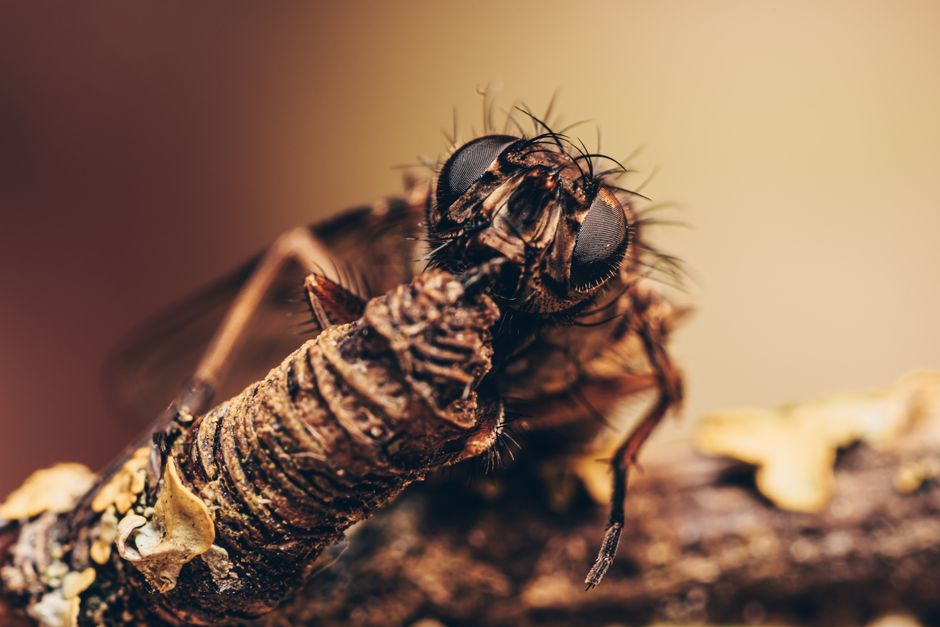
Vinegar attracts certain flies, but not in the way most people assume. It is the smell of fermentation — not the vinegar itself — that draws fruit flies and other flies looking for food or a place to lay eggs. Apple cider vinegar works best for this reason, and a simple homemade trap using it can catch flies around a kitchen or fruit bowl.
Does Vinegar Attract Flies?
Yes, but only some flies, and for a specific reason. The flies most people mean when they talk about vinegar — fruit flies — are drawn to the smell of fermentation and decay. Vinegar is a fermented product, and its scent overlaps with the scent of overripe fruit, which is exactly what these flies are built to find.
This is why apple cider vinegar tends to work better than white vinegar. Apple cider vinegar carries a stronger fruity, fermented aroma. To a fruit fly, that smell says “food” and “egg-laying site.” White vinegar is more neutral by comparison and generally draws fewer flies.
Not every fly responds the same way. House flies and blow flies are more attracted to garbage, animal waste, and rotting meat than to vinegar. So if you have large flies in your home, a vinegar trap may do little. Vinegar is mainly a tool against small, fruit-seeking flies.
One point worth getting straight: vinegar does not create flies. No food source spontaneously generates insects. Flies come from outside, or from eggs and larvae that were already present on produce, in drains, or in trash. Vinegar can concentrate flies that are already nearby, but it cannot summon them from nothing.
Why Does Vinegar Attract Fruit Flies?
The attraction comes down to smell and survival. Fruit flies feed on yeast and the sugars released as fruit ferments. The scent of fermentation is a reliable signal that food is present. Vinegar — especially apple cider vinegar — mimics that signal closely enough to draw them in.
There is a second reason that matters for trapping. Fruit flies are also looking for a safe, moist surface to lay eggs. A shallow pool of liquid that smells like fermenting fruit can serve as both a food cue and a possible egg-laying site. That dual appeal is part of why vinegar traps work as well as they do.
Temperature and ripeness play a role too. Flies are more active in warm conditions, and they respond more strongly when fruit in the area is already ripe or starting to turn. If your kitchen has a bowl of browning bananas, a vinegar trap will tend to catch more flies than it would in a kitchen with no ripe produce around.
How Do You Make a Vinegar Fly Trap?
The classic trap is simple and needs no special equipment. You need a small container, apple cider vinegar, a few drops of dish soap, and something to cover the top. A jar, glass, or bowl works fine.
- Pour about an inch of apple cider vinegar into the container.
- Add a few drops of liquid dish soap and stir gently.
- Optionally, cover the top with plastic wrap and poke a few small holes, or shape a paper cone and set it in the opening.
- Place the trap near the flies — beside a fruit bowl, near a trash can, or by a sink.
The dish soap matters. It breaks the surface tension of the liquid, so flies that land on it sink instead of floating and escaping. Without soap, many flies can simply sit on the surface and fly away.
Some people add a piece of overripe fruit to the vinegar to strengthen the scent. This can help, though it also gives flies another reason to stay in the area. Change the liquid every day or two. Old traps lose their smell and can start to smell like decay themselves, which is not helpful indoors.
Placement is a big part of success. Put the trap where you actually see the flies. A trap across the room from the source will catch far fewer than one set right next to the fruit bowl or drain where the flies are gathering.
What Other Household Traps Work for Flies?
Vinegar is not the only option, and for some flies it is not the best one. What works depends on the type of fly you are dealing with.
For fruit flies, a small glass of red wine or beer left out can attract and drown them, since both carry fermentation scents. For house flies and larger flies, sticky fly strips and ultraviolet light traps are more effective than vinegar, because those flies respond to different cues.
For drain flies — the small, fuzzy flies that hover around sinks and showers — traps placed in the open air often miss the point. These flies breed in the slimy organic buildup inside drains. Cleaning that buildup is the real fix. A vinegar trap nearby may catch a few adults, but it will not address where they are coming from.
The general principle is the same across methods: match the trap to the fly. A trap built for one type of fly may do almost nothing against another.
Does Vinegar Really Get Rid of Flies, or Just Attract Them?
Vinegar attracts flies, and a well-built trap kills the ones it catches. That is a real reduction in the flies you see. But catching adult flies does not remove the source. If eggs and larvae are still developing somewhere in your home, new adults will keep appearing.
This is the part people often miss. A trap manages the symptom. It does not fix the cause. If you set out a vinegar trap and the flies keep coming back day after day, the trap is working — but something in your environment is still producing flies.
So vinegar traps are best understood as one part of a larger approach, not a standalone solution. They reduce the number of adult flies while you track down and remove what is feeding them.
How Do You Stop Flies From Coming Back?
Removing the source is what actually ends a fly problem. Traps help in the meantime, but the flies will keep returning until the breeding and feeding sites are gone.
Start with the obvious: ripe and overripe produce. Fruit flies lay eggs on fruit, and a single overlooked banana or potato can support a whole new generation. Refrigerate ripe fruit, or use it quickly. Check the bottom of fruit bowls and the back of the fridge for anything forgotten.
Then look at the less obvious places:
- Recycling bins and trash cans, especially those holding food or drink containers.
- Drains in kitchens and bathrooms, where organic film builds up.
- Mop buckets, floor drains, and damp corners.
- Pet food bowls and any spilled liquids left standing.
Clean these areas and keep them dry. For drains, scrubbing away the buildup does more than any trap. Once the food and breeding sources are gone, the fly population drops on its own, and a vinegar trap can help clear out the last of the adults.
Timing matters here. It can take a few days to a couple of weeks to fully clear an infestation, because flies already in the larval stage will still mature into adults. Cleaning the source today does not instantly remove flies that were already developing. Expect some continued activity before it settles down.
Are Vinegar Traps Safe Around Food and Pets?
A vinegar trap using apple cider vinegar and a few drops of dish soap is not a hazard in a normal kitchen setting. The ingredients are ordinary household items. The main concerns are practical, not toxic.
Keep traps out of reach of pets and small children, since a curious pet may drink the liquid. Dish soap can cause stomach upset if swallowed in larger amounts. If a pet or child does consume some, contact a poison control center or a veterinarian for guidance.
Change the liquid regularly. A trap left for a week or more collects dead flies and begins to smell, which can attract more flies and create a mess. Daily or every-other-day changes keep it working and keep it clean.
Frequently Asked Questions
Does vinegar attract flies or repel them?
Vinegar attracts fruit flies because its fermented smell signals food. It does not repel flies; it draws certain small flies toward it so they can be trapped.
What kind of vinegar works best for a fly trap?
Apple cider vinegar generally works best because its fruity, fermented scent is closest to what fruit flies seek. White vinegar is more neutral and tends to attract fewer flies.
Why do I need dish soap in a vinegar fly trap?
Dish soap breaks the surface tension of the liquid so flies sink instead of floating and escaping. Without it, many flies can land on the surface and fly away.
Why do flies keep coming back after I set a vinegar trap?
Traps catch adult flies but do not remove eggs and larvae developing elsewhere in your home. Flies keep returning until you find and clean the source, such as ripe produce or drain buildup.
