
Pure vanilla extract does contain sugar, but the amount in a typical serving is very small. The sugar comes from the vanilla beans themselves and from the alcohol used to extract their flavor. A teaspoon of pure vanilla extract contains roughly a fraction of a gram of sugar — far less than most people would expect from something that smells sweet.
The confusion is understandable. Vanilla extract has a rich, sweet aroma, so many people assume it must be loaded with sugar. It is not. The bigger question is what type of vanilla product you are using, because imitation vanilla and vanilla-flavored syrups are very different from pure extract.
Does Vanilla Extract Have Sugar?
Yes, pure vanilla extract contains a small amount of sugar, but it is not added sugar. The sugar occurs naturally in the vanilla bean pods and is pulled into the liquid during the extraction process.
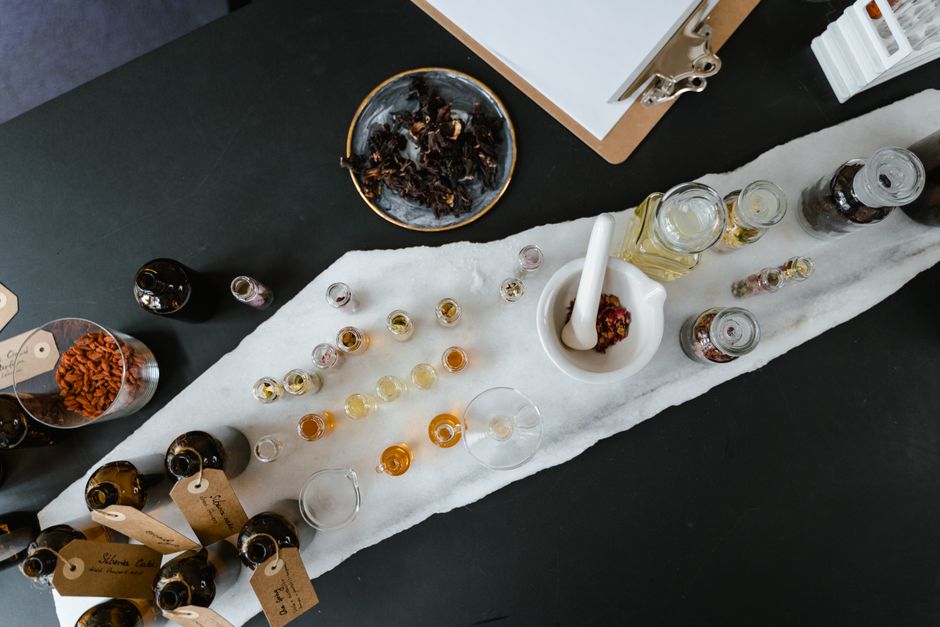
Pure vanilla extract is made by soaking vanilla beans in a solution of alcohol and water. Over time, the alcohol draws out flavor compounds, and some natural sugars from the beans dissolve into the liquid as well. That is the only sugar present in a true pure extract.
The amount is minimal. According to USDA nutritional data, pure vanilla extract contains about 0.5 grams of sugar per teaspoon. For context, a teaspoon of granulated table sugar contains roughly 4 grams of sugar. So a teaspoon of vanilla extract has about one-eighth the sugar of a teaspoon of straight sugar.
Most recipes call for one to two teaspoons of vanilla extract. That means you are adding well under 1 gram of sugar to an entire batch of cookies or a whole cake. In practical terms, the sugar in vanilla extract is not a meaningful source of sugar in your diet.
What Is the Difference Between Pure and Imitation Vanilla?
Pure vanilla extract and imitation vanilla are made differently, and that difference affects sugar content and ingredient lists.
Pure vanilla extract is regulated by the FDA. To carry that label, it must contain vanilla bean extractives in a specific concentration, along with alcohol and water. The ingredient list is short: vanilla beans, alcohol, and water. No sugar is added.
Imitation vanilla is made with synthetic vanillin, the primary flavor compound in vanilla, produced in a lab. It often contains added ingredients like corn syrup, caramel color, and other flavorings. Some imitation vanillas do contain added sugar or sugar-derived ingredients.
This is where labels matter. If you are watching your sugar intake, check the ingredient list. Pure vanilla extract should list only vanilla beans, alcohol, and water. If you see corn syrup, sugar, or glucose on the label, you are looking at an imitation product or a vanilla-flavored syrup, not pure extract.
How Much Sugar Is in Common Vanilla Products?
Different vanilla products contain very different amounts of sugar. The table below compares sugar content per teaspoon using USDA nutritional data where available.
| Product | Sugar per Teaspoon |
|---|---|
| Pure vanilla extract | About 0.5 g |
| Imitation vanilla extract | Varies; some contain added sugar |
| Vanilla-flavored syrup | About 4 g |
| Vanilla bean paste | Varies by brand; often contains added sugar |
The takeaway is simple. Pure extract adds almost no sugar. Vanilla syrup, often used in coffee drinks, can add as much sugar per teaspoon as straight table sugar. Vanilla bean paste frequently contains added sugar or corn syrup, so it is worth reading the label if that matters to you.


Does Vanilla Extract Raise Blood Sugar?
Pure vanilla extract is unlikely to raise blood sugar in any meaningful way when used in normal cooking amounts. The sugar content is too low to have a measurable effect on blood glucose.
Alcohol is the main ingredient in pure extract besides water. A teaspoon of pure vanilla extract contains a small amount of alcohol, but again, the amount used in a recipe is negligible when divided across multiple servings. The alcohol content does not affect blood sugar.
People with diabetes or those monitoring carbohydrate intake generally do not need to count the sugar from pure vanilla extract. It contributes less than 1 gram of carbohydrate per teaspoon, which is below the threshold that would typically matter for blood sugar management.
That said, if you are using large amounts of vanilla extract — which is unusual in cooking — or if you are consuming vanilla-flavored products with added sugar, the picture changes. The sugar in those products can affect blood glucose. The issue is the added sugar, not the vanilla itself.
Is the Sugar in Vanilla Extract a Concern for Low-Sugar Diets?
For most low-sugar or keto-style diets, pure vanilla extract is considered acceptable. The sugar content is so low that it does not meaningfully contribute to daily sugar intake.
A teaspoon of pure extract has about 0.5 grams of sugar. If a recipe serves 12 and calls for 2 teaspoons of extract, each serving contains roughly 0.08 grams of sugar from the vanilla. That is a fraction of a gram per serving.
Some people on very strict sugar-free diets prefer to use alcohol-free vanilla extract or vanilla powder. Alcohol-free versions replace the alcohol with glycerin or water. These products may or may not contain added sugar, so check the label. Vanilla powder is made from ground vanilla beans and contains the natural sugars of the bean in concentrated form, but it is used in tiny amounts.
The bottom line is that pure vanilla extract is not a sugar source you need to worry about. If you are tracking every gram of sugar, you have bigger sources to focus on.
Why Does Vanilla Extract Smell Sweet If It Is Not?
The sweet smell of vanilla comes from aroma compounds, not from sugar. The main flavor compound, vanillin, activates smell receptors that your brain associates with sweetness.
This is a quirk of how smell and taste interact. Your brain links certain smells to certain tastes based on past experience. Vanilla smells like baked goods, ice cream, and other sweet foods, so your brain assumes it must taste sweet. In reality, pure vanilla extract has a bitter, somewhat harsh taste on its own because of the alcohol.
This is also why vanilla is often described as a flavor enhancer. It can make other flavors seem sweeter or richer without adding sugar. Food manufacturers sometimes add vanilla aroma to products to make them seem sweeter than they are, which can be misleading.
Should You Worry About Sugar in Vanilla Extract?
No. For almost everyone, the sugar in pure vanilla extract is not worth thinking about. The amount is too small to matter in a normal diet.
What matters more is the type of vanilla product you buy and how you use it. Pure extract is a simple ingredient with no added sugar. Imitation vanilla, vanilla syrup, and vanilla-flavored creamers often contain added sugar, and those can add up quickly.
If you are trying to reduce sugar, focus on the big sources: sugary drinks, desserts, processed foods, and flavored coffee syrups. A teaspoon of pure vanilla extract in a recipe is not the problem.
Read labels. Choose pure vanilla extract when you can. And if you are using a vanilla product that lists sugar or corn syrup as an ingredient, know that the sugar is coming from that added source, not from the vanilla bean itself.
Frequently Asked Questions
Does pure vanilla extract contain sugar?
Yes, pure vanilla extract contains a small amount of natural sugar from the vanilla beans, about 0.5 grams per teaspoon. No sugar is added during manufacturing.
Is vanilla extract bad for diabetics?
No, the tiny amount of sugar in pure vanilla extract is unlikely to affect blood sugar when used in normal cooking amounts. The bigger concern is vanilla-flavored products with added sugar.
How much sugar is in a teaspoon of vanilla extract?
About 0.5 grams of sugar per teaspoon, based on USDA nutritional data. That is roughly one-eighth the sugar in a teaspoon of table sugar.
Does imitation vanilla have more sugar than pure vanilla?
It can. Some imitation vanillas contain added sugar or corn syrup, while pure vanilla extract does not. Always check the ingredient list to be sure.
