
Yes, vanilla extract contains alcohol. It is not a trace amount or a hidden additive — alcohol is the main liquid in real vanilla extract, and it is there on purpose. The US Food and Drug Administration requires pure vanilla extract to contain at least 35 percent alcohol by volume. That is roughly the strength of a spirit like vodka or rum, and it is the reason vanilla extract behaves differently from vanilla flavoring, vanilla paste, or vanilla powder.
If you are asking because you want to avoid alcohol, because you are pregnant, because you are cooking for a child, or because you are in recovery, the answer matters in different ways for each situation. This guide explains what the alcohol is doing, how much survives cooking, and where the real limits are.
Why Does Vanilla Extract Contain Alcohol?
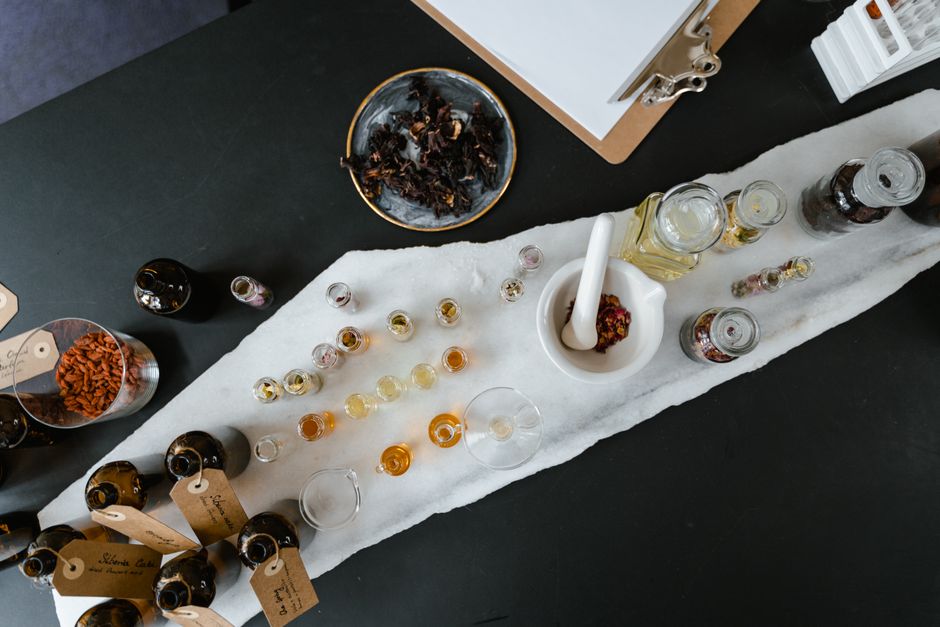
Alcohol is a solvent. Vanilla flavor compounds do not dissolve well in water. The main flavor molecule in vanilla, vanillin, along with hundreds of other aromatic compounds, dissolves readily in alcohol. Water alone would extract very little of what makes vanilla taste like vanilla.
The curing process works the same way. Vanilla beans are harvested, killed (a process that stops further ripening), sweated, dried slowly, and conditioned over months. During that time, enzymes and chemical reactions build the flavor profile. When the cured beans are chopped and steeped, the alcohol pulls those compounds out of the bean tissue and holds them in solution.
Alcohol also acts as a preservative. A vanilla extract sitting on a shelf for years stays microbially stable largely because of its alcohol content. That is why the FDA standard of identity calls for a minimum alcohol level rather than treating alcohol as optional.
This is why alcohol-free vanilla products exist as separate categories. They are not the same product made without alcohol. They are made differently, and they taste different.
What Is the FDA Standard for Vanilla Extract?
Pure vanilla extract in the United States is a legally defined product. The FDA standard of identity requires at least 35 percent alcohol by volume, and it requires a specific ratio of vanilla bean material to liquid. Under the standard, one gallon of extract must be made from at least 13.35 ounces of vanilla beans.
That ratio matters more than most people realize. Products labeled simply “vanilla flavor” or “vanilla flavoring” are not held to the same standard. They can be made with synthetic vanillin, with far less vanilla bean, or with no vanilla bean at all. The word “extract” on a US label is a regulated term. “Flavor” is not.
Alcohol content in commercial extracts commonly runs from 35 percent up to around 50 percent by volume. Some specialty or “double strength” extracts sit at the higher end. The label will state the alcohol content if you look for it, though it is often in small print.
Imitation vanilla, by contrast, is typically made with propylene glycol or glycerin and synthetic vanillin. It usually contains no alcohol. It also tastes noticeably different — flatter and more one-dimensional — because it lacks the hundreds of trace compounds found in real vanilla.
How Much Alcohol Is Actually in a Teaspoon of Vanilla Extract?
A teaspoon of pure vanilla extract contains roughly the same amount of alcohol as a teaspoon of a spirit like vodka. That sounds alarming until you look at the actual volume.
A teaspoon is about 5 milliliters. At 35 percent alcohol by volume, that is roughly 1.75 milliliters of pure alcohol. For comparison, a standard US drink contains about 14 grams of pure alcohol, which is roughly 17.7 milliliters. So a teaspoon of vanilla extract carries about one-tenth the alcohol of a standard drink.
Most recipes call for one to two teaspoons of vanilla extract spread across an entire batch of cookies, cake, or custard. A single serving of that finished food contains a small fraction of even that amount.
The practical takeaway: for most adults, the alcohol in a normal recipe serving is negligible. That changes in specific situations, which are covered below.


Does the Alcohol Cook Off? Does Vanilla Extract Have Alcohol After Baking?
Some alcohol evaporates during cooking, but not all of it, and not as much as most people assume. This is one of the most common misconceptions in home cooking.
The idea that alcohol “burns off” completely during cooking is not supported by the evidence. Studies on alcohol retention in cooked foods have found that a substantial portion remains after typical cooking methods. The amount retained depends heavily on cooking time, temperature, surface area, and whether the dish is covered or stirred.
Longer cooking at higher heat with more surface exposure drives off more alcohol. Quick cooking, baking in a covered dish, or adding alcohol at the end of cooking retains more. A dish flambéed briefly retains far more than most people expect.
For vanilla extract specifically, the amounts involved are small to begin with. A batch of cookies baked at 350°F for 10 to 12 minutes will retain some alcohol from the extract, but the total quantity per cookie is tiny. For most adults this is not a meaningful concern.
For someone in recovery, or for anyone who needs to avoid alcohol entirely, the honest position is that “it cooks off” is not a reliable guarantee. If complete avoidance is the goal, choose an alcohol-free vanilla product instead of relying on evaporation.
Is Vanilla Extract Safe During Pregnancy?
Vanilla extract used as a flavoring in normal cooking amounts is generally considered acceptable during pregnancy. The alcohol quantity in a single serving of a baked good or dessert made with a teaspoon or two of extract is very small.
This is a case where the dose matters enormously. The concern with alcohol in pregnancy is about sustained or significant exposure, not trace amounts from flavoring. A teaspoon of extract in a whole cake is not the same as drinking alcohol.
That said, no clinical guidelines set a specific “safe” threshold for alcohol exposure in pregnancy, because no safe level has been established. Most guidance takes the position that no amount of alcohol is known to be safe, while acknowledging that trace amounts from flavoring are not comparable to drinking.
If you want zero alcohol exposure, alcohol-free vanilla products are widely available. That is the straightforward way to remove any question. If you are uncertain about your own situation, that is a conversation to have with your obstetric provider rather than something to resolve from a label alone.
Can You Use Vanilla Extract in Recovery or If You Avoid Alcohol?
This is where the answer becomes genuinely individual. There is no universal rule, and anyone who tells you there is one is oversimplifying.
For some people in recovery, trace alcohol in food is not a trigger and not a concern. For others, the principle of complete avoidance matters, and even small amounts in food feel like a line they do not want to cross. Both positions are reasonable, and the choice belongs to the person making it.
What is not reasonable is reassurance based on assumption. If you need to avoid alcohol completely, the reliable approach is to use products that contain none:
- Alcohol-free vanilla extract, usually made with glycerin or propylene glycol
- Vanilla bean paste, though some brands include alcohol — check the label
- Vanilla powder, made from ground vanilla beans with no liquid
- Whole vanilla beans, split and scraped directly into the recipe
Vanilla powder and whole beans are the closest to a guaranteed zero-alcohol option, because there is no solvent involved at all. Alcohol-free extracts are a good substitute but can behave differently in recipes, particularly in cold applications where the alcohol would normally help dispersion.
How Do Vanilla Products Compare?
Not all vanilla products are interchangeable, and the alcohol content is one of the main reasons.
| Product | Typical Alcohol Content | Notes |
|---|---|---|
| Pure vanilla extract | 35% or higher by volume (FDA minimum) | Regulated standard of identity; strongest flavor |
| Alcohol-free vanilla extract | 0% | Glycerin or propylene glycol base; different flavor profile |
| Vanilla flavoring | Varies, often 0% | Not held to the extract standard; may be synthetic |
| Vanilla bean paste | Varies; some contain alcohol | Check individual labels |
| Vanilla powder | 0% | Ground vanilla beans; no solvent |
| Imitation vanilla | Usually 0% | Synthetic vanillin; no real vanilla bean required |
The pattern is clear. If alcohol content is your concern, the label tells you what you need to know — but only if you read it, because “vanilla” on the front of a bottle can mean several different products.
Does Vanilla Extract Get You Drunk?
No. Not in any realistic scenario involving food.
The math does not work. You would need to consume a very large volume of vanilla extract to approach the alcohol content of a single standard drink, and the flavor would make that essentially impossible before the alcohol became relevant. Vanilla extract is intensely flavored and bitter in quantity.
There are documented cases of people drinking vanilla extract for its alcohol content, and those cases tend to involve significant quantities and serious consequences. That is a different situation from using it as a flavoring, and it is not a safe practice. The point here is simply that normal culinary use does not produce intoxication.
One clarification worth making: the concern about vanilla extract is never about getting drunk from your cookies. It is about whether any alcohol exposure matters for your specific circumstances — pregnancy, recovery, religious observance, or a medical condition. Those are the real questions, and they have real answers.
Frequently Asked Questions
Does vanilla extract have alcohol in it?
Yes. Pure vanilla extract in the US must contain at least 35 percent alcohol by volume under the FDA standard of identity. Alcohol-free versions exist but are made differently and are labeled as such.
How much alcohol is in a teaspoon of vanilla extract?
A teaspoon contains roughly 1.75 milliliters of pure alcohol, which is about one-tenth the alcohol of a standard drink. In a full recipe, that amount is spread across many servings.
Does alcohol in vanilla extract cook off during baking?
Some evaporates, but not all, and the amount retained varies with cooking time, temperature, and method. If you need complete avoidance, use an alcohol-free product rather than relying on evaporation.
Is vanilla extract safe during pregnancy?
Normal cooking amounts are generally considered acceptable, since the alcohol per serving is very small. No safe threshold for alcohol in pregnancy has been established, so alcohol-free vanilla is the way to remove any question.
