
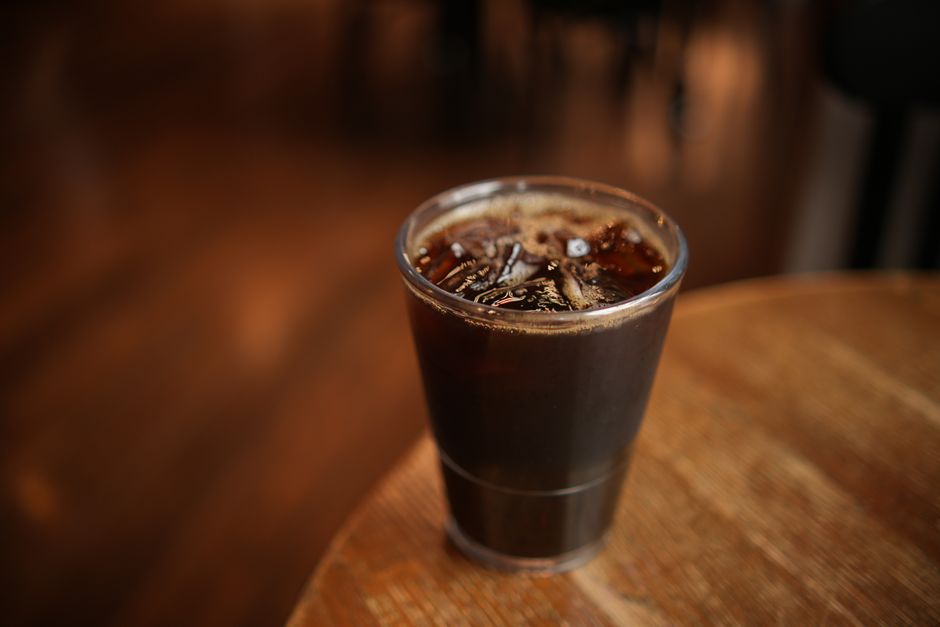
Yes, unsweetened tea contains caffeine. The word “unsweetened” describes what is not in the tea — added sugar or sweeteners — and says nothing about caffeine. Caffeine is a natural compound produced by the tea plant itself, so any true tea made from Camellia sinensis leaves contains caffeine whether or not sugar is added.
How much caffeine you actually get depends on the type of tea, how it was brewed, and whether it was decaffeinated. Here is what the evidence shows and where the numbers come from.
Does Unsweetened Tea Have Caffeine?
Unsweetened tea contains caffeine because caffeine is part of the leaf, not an additive. Removing sugar has no effect on caffeine content. A glass of unsweetened iced tea can contain as much caffeine as a cup of hot tea brewed from the same leaves.
This matters because many people assume “unsweetened” means “plain” or “caffeine-free.” Those are separate things. Unsweetened green tea, unsweetened black tea, and unsweetened oolong tea all contain caffeine. Only herbal infusions that contain no actual tea leaves are naturally caffeine-free.
One clarification worth knowing: the tea plant makes caffeine as a natural pesticide. It is concentrated in the young leaves and buds, which is why the picking style affects caffeine levels. That is a biological fact about the plant, not a claim about health effects.
How Much Caffeine Is in Different Types of Unsweetened Tea?
An 8-ounce cup of brewed black tea typically contains around 40 to 60 milligrams of caffeine. Green tea usually falls in a similar range, often slightly lower. Oolong sits between green and black. White tea varies widely depending on the leaf grade used.
These ranges come from established food composition data, including USDA nutrient databases. They are averages, not fixed values. The same tea type from two different brands can differ noticeably.
For context, an 8-ounce cup of brewed coffee generally contains about 95 milligrams of caffeine. So a cup of unsweetened black tea delivers roughly half the caffeine of the same volume of coffee.
Here is a general comparison of unsweetened brewed tea types per 8-ounce cup:
- Black tea: roughly 40–60 mg
- Oolong tea: roughly 30–50 mg
- Green tea: roughly 25–45 mg
- White tea: roughly 15–30 mg
- Decaffeinated tea: typically 2–5 mg
- Herbal infusion (no tea leaves): 0 mg
Treat these as typical ranges, not guarantees. Actual caffeine depends on the specific product and how it was brewed.
Does Brewing Method Change Caffeine in Unsweetened Tea?
Brewing method changes caffeine content significantly. Longer steeping time extracts more caffeine, up to a point. Hotter water extracts caffeine faster than cooler water. More tea leaves per cup means more caffeine.
Steeping time is the factor most people can control. A tea steeped for one minute will contain less caffeine than the same tea steeped for five minutes. After the caffeine in the leaf is largely extracted, additional steeping time adds little more.
Iced tea is where brewing really matters. Many commercial iced teas are brewed strong and then diluted, or made from concentrate. A 16-ounce bottle of unsweetened iced tea can contain more total caffeine than an 8-ounce hot cup, simply because there is more liquid. Check the label if caffeine intake matters to you.
Cold brew tea is a different case. Cold water extracts caffeine more slowly, so cold-brewed tea often has somewhat less caffeine than hot-brewed tea from the same leaves, though the difference shrinks with longer steeping.
Is Decaffeinated Unsweetened Tea Caffeine-Free?
Decaffeinated tea is not caffeine-free. The decaffeination process removes most but not all caffeine. Most decaf tea retains a small amount, typically a few milligrams per cup.
That small amount is generally considered negligible for most adults. For people who are highly sensitive to caffeine, or who have been advised by a clinician to avoid it entirely, it is worth knowing that “decaf” does not mean zero.
The decaffeination process itself does not involve adding sugar, so decaf unsweetened tea is still unsweetened. The two labels describe different things and can appear together on the same product.
Does Herbal Tea Contain Caffeine?
Herbal tea made without tea leaves contains no caffeine. Chamomile, peppermint, rooibos, ginger, and hibiscus are not made from Camellia sinensis, so they contain none of the plant’s caffeine.
The confusion arises because “tea” is used loosely. True tea comes from the tea plant. Herbal “tea” is technically an infusion of other plant material. If a product is labeled herbal and lists no tea leaf ingredients, it is caffeine-free.
Some blends mix the two. A “green tea and mint” blend contains real tea leaves and therefore contains caffeine. Always check the ingredient list, not just the front of the package.
Yerba mate is another exception worth flagging. It is not a true tea and not a typical herbal infusion. It is made from a different plant but naturally contains caffeine, so it does not belong in the caffeine-free category.
How Does Caffeine in Unsweetened Tea Affect the Body?
Caffeine in tea works the same way as caffeine from any source. It blocks adenosine, a molecule that builds up during the day and promotes sleepiness. Blocking it makes you feel more alert. This mechanism is well established.
Tea also contains L-theanine, an amino acid found almost exclusively in tea. Some research suggests L-theanine may soften the jittery edge of caffeine, though the evidence for a meaningful combined effect in real-world tea drinking is not strong. The observed difference between tea and coffee alertness may be partly explained by this, but the research is not settled.
For most healthy adults, moderate caffeine intake is considered acceptable. General guidance from health authorities has historically pointed to roughly 400 milligrams per day as a level not associated with harmful effects in healthy adults. That is a broad population-level figure, not a personal prescription. Individual tolerance varies widely.
People who are pregnant, breastfeeding, or managing a health condition should follow guidance from their own clinician rather than general population figures.
What Should You Check on a Tea Label?
Labels rarely state caffeine content directly. In the US, caffeine is not required to be listed on tea packaging the way it is on some other products. This makes it hard to know exactly what you are drinking.
What you can do is read the ingredient list. Look for the words “tea,” “green tea,” “black tea,” or “oolong” to confirm caffeine is present. Look for “decaffeinated” if you want reduced caffeine, remembering it is not zero. Look for “caffeine-free” only on herbal products with no tea leaves.
If caffeine intake matters to you for medical reasons, the most reliable approach is to contact the manufacturer directly. Many companies can provide caffeine information for specific products on request. That is more reliable than guessing from the type of tea.
Frequently Asked Questions
Does unsweetened tea have caffeine?
Yes, unsweetened tea contains caffeine because caffeine occurs naturally in tea leaves. Removing sugar has no effect on caffeine content.
How much caffeine is in a cup of unsweetened tea?
An 8-ounce cup of brewed unsweetened black tea typically contains about 40 to 60 milligrams of caffeine, while green tea usually contains somewhat less. Actual amounts vary by tea type, brand, and brewing method.
Is unsweetened iced tea caffeine-free?
No, unsweetened iced tea made from real tea leaves contains caffeine. A larger bottle can deliver more total caffeine than a small hot cup because it contains more liquid.
Which unsweetened teas have no caffeine?
Herbal infusions made without tea leaves, such as chamomile, peppermint, and rooibos, contain no caffeine. Any product containing green, black, white, or oolong tea leaves does contain caffeine.
