
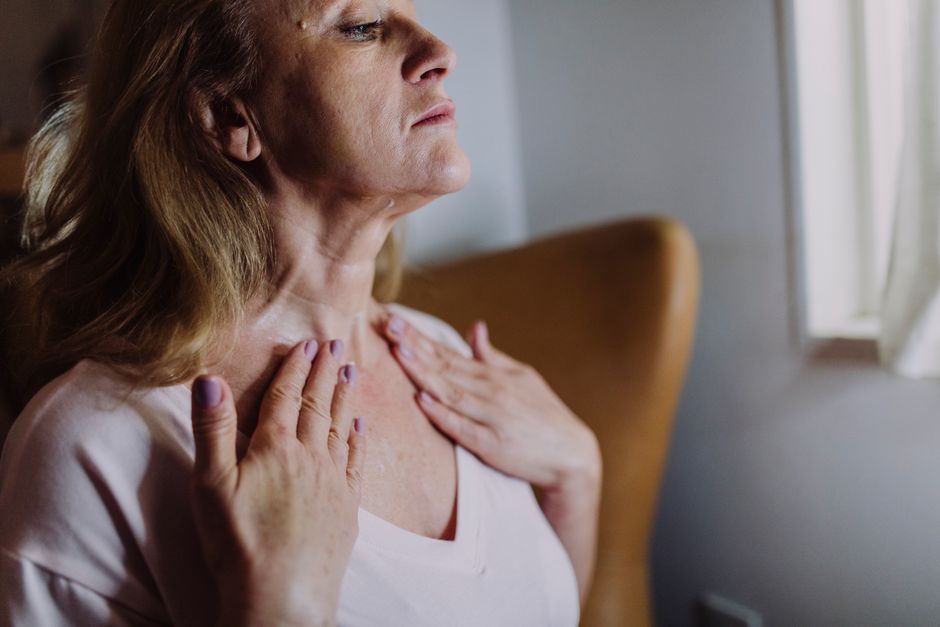
Yes, tretinoin can improve crepey skin, but the effect is modest and slow. It is one of the few topical ingredients with real evidence behind it for building collagen and smoothing fine wrinkles. It will not fully reverse thin, crinkled skin, and it works best as part of a broader routine that includes sun protection.
Crepey skin is what happens when the dermis — the thick middle layer of your skin — loses collagen and elastin over time. The surface thins, loosens, and folds into fine crinkles that look like crepe paper. Tretinoin addresses part of that process. Understanding which part, and how much, is where most marketing gets ahead of the science.
What Actually Causes Crepey Skin?
Crepey skin is structural, not just surface dryness. The dermis is a scaffold of collagen and elastin fibers that give skin its thickness and bounce. Starting in your late 20s and 30s, collagen production declines gradually. Sun exposure accelerates that decline sharply, because ultraviolet radiation damages collagen fibers and interferes with new collagen formation.
Elastin matters just as much. Unlike collagen, elastin in adult skin is not really replaced once it is damaged. When elastin fibers break down from sun and age, skin loses its ability to snap back. That loss of recoil is a big part of why crepey skin looks loose and finely wrinkled rather than just lined.
Other factors contribute. Genetics set your baseline. Smoking reduces blood flow to skin and degrades collagen. Rapid or large weight loss can leave skin lax. Hormonal changes around menopause are associated with a measurable drop in skin collagen. And simple dehydration makes thin skin look worse, though it is not the root cause.
This is why moisturizers alone rarely fix crepey skin. They plump the surface temporarily by holding water in the outer layer, which can make crepey texture look better for hours. They do not rebuild the dermal scaffold underneath. That is the layer tretinoin is trying to reach.
How Does Tretinoin Work on Crepey Skin?
Tretinoin is a prescription retinoid — a form of vitamin A that binds to receptors in skin cells and changes how they behave. It is not the same as the retinol in over-the-counter creams. Tretinoin is the active drug; retinol has to be converted in the skin before it can act, which makes it weaker and less predictable.
At the cellular level, tretinoin does several things relevant to crepey skin. It increases collagen production by stimulating the cells that make it. It also increases epidermal thickness and speeds up cell turnover, which helps shed the dull, rough outer layer. Over time, these effects can make skin look smoother and feel thicker.
Here is the part most people do not realize: tretinoin was first used for acne, and its anti-aging effects were discovered somewhat by accident. Researchers noticed that patients using it for acne had smoother, better-looking skin. That observation led to decades of study, and tretinoin remains one of the best-studied topical treatments for photoaging.
What tretinoin does not do is restore elastin. Since crepey skin involves both collagen loss and elastin damage, and tretinoin mainly targets the collagen side, it can improve texture and fine wrinkling without fully eliminating the crepe-paper look. That distinction matters for setting realistic expectations.
What Does the Evidence Actually Show?
Tretinoin has stronger evidence for photoaging than almost any other topical ingredient. Decades of clinical research support its ability to reduce fine wrinkles and improve skin texture in sun-damaged skin. It is widely regarded in dermatology as a standard topical treatment for photoaging.
The catch is what “improve” means. In clinical studies, improvement is usually measured by trained graders or photography, and the changes are real but gradual. Most people see noticeable improvement over months, not days. Deep wrinkles and significant laxity respond less than fine surface texture. No topical product, including tretinoin, has been shown to reverse crepey skin completely.
Head-to-head comparisons between tretinoin and over-the-counter retinol are limited. What is clear is that tretinoin is more potent and better studied for photoaging. That does not mean retinol is useless — some studies suggest it can produce modest improvements — but the evidence is not as strong, and the effect is generally smaller.
One honest limitation: much of the strongest tretinoin research was done on facial photoaging, often in lighter skin types. Evidence in darker skin tones and on body areas like the neck, arms, and legs is thinner. The neck and body skin is thinner and more sensitive, which changes how tretinoin can be used in practice.
How Long Does It Take to See Results?
Tretinoin works slowly, and this is not a marketing line. Early changes in cell turnover can begin within weeks, but visible improvement in wrinkles and texture typically takes several months of consistent use. Some people see meaningful change around three to six months. Others need longer.
The early weeks are often the hardest. Tretinoin commonly causes redness, dryness, peeling, and irritation when you start. This is sometimes called retinization. It usually settles as skin adapts, but it can take weeks. If you stop during this phase, you never reach the point where the collagen-building effects accumulate.
Consistency matters more than strength. Using a lower concentration regularly often produces better long-term results than jumping to a high strength that irritates your skin so much you cannot keep using it. Your clinician can help you find a starting point and pace that fits your skin.
How Do You Use Tretinoin Safely on Crepey Skin?
Tretinoin is a prescription, so the specifics should come from your clinician. General principles from dermatology practice apply. A pea-sized amount for the face is the usual guidance. Apply it to dry skin at night, since sunlight degrades it and increases irritation. Use a gentle moisturizer and a mild cleanser.
Sun protection is not optional. Tretinoin makes skin more sensitive to the sun, and ultraviolet exposure is the main driver of the collagen damage you are trying to counter. Daily broad-spectrum sunscreen is the single most important partner to any retinoid routine. Without it, you are fighting the current.
Start slowly. Some clinicians recommend using it a few nights a week at first and building up as tolerated. Avoid layering it with other irritating actives like strong acids or high-strength exfoliants when you are starting. If irritation is severe or persistent, talk to your clinician rather than pushing through.
Pregnancy is a firm exception. Tretinoin is not recommended during pregnancy, and this is established guidance rather than a gray area. If you are pregnant, planning pregnancy, or breastfeeding, discuss alternatives with your clinician before using any retinoid.
What Else Helps Crepey Skin?
No single product fixes crepey skin, and honest dermatology acknowledges that. Sun protection prevents further damage. Moisturizers with humectants improve the look of thin skin temporarily. Some ingredients, like vitamin C and niacinamide, have supporting evidence for skin health, though the evidence is generally weaker than for tretinoin.
For more pronounced crepey skin, some clinicians recommend in-office procedures. These include laser resurfacing, microneedling, and chemical peels. Evidence supports these for photoaging and texture, but results vary, they carry risks, and they are not a guaranteed fix. They are also often used alongside — not instead of — a topical routine.
It is worth being clear about what does not have strong evidence for crepey skin specifically. Many creams marketed for crepey skin rely on temporary plumping or on ingredients without solid clinical trials. No topical product has been shown to rebuild elastin in adult skin. Claims that a cream “reverses” crepey skin should be treated with skepticism.
- Sun protection — daily broad-spectrum sunscreen is the foundation.
- Tretinoin — best-studied topical for photoaging and fine wrinkles.
- Moisturizer — improves appearance temporarily, does not rebuild structure.
- In-office procedures — options for more noticeable change, with variable results.
- Avoid smoking — smoking degrades collagen and worsens skin aging.
Does Tretinoin Help Crepey Skin Heres The Truth
The truth is that tretinoin helps, but it is not a cure. It has real, well-documented evidence for improving fine wrinkles and skin texture by supporting collagen. It is one of the most reliable topical options available. It is also slow, it can irritate, and it does not restore lost elastin or fully reverse crepey texture.
The people who get the most from it tend to have realistic expectations, use it consistently for months, and protect their skin from the sun every day. If you expect a fast fix, you will be disappointed. If you expect gradual, modest improvement as part of a broader routine, the evidence supports that hope.
Frequently Asked Questions
Does tretinoin really help crepey skin?
Yes, tretinoin can improve crepey skin by increasing collagen and smoothing fine wrinkles, and it has strong evidence for photoaging. The improvement is gradual and modest, and it does not fully reverse thin or lax skin.
How long does tretinoin take to work on crepey skin?
Visible improvement usually takes several months of consistent use, often around three to six months or longer. Early irritation is common and usually settles as skin adapts.
Is retinol as good as tretinoin for crepey skin?
No, tretinoin is more potent and far better studied for photoaging than over-the-counter retinol. Retinol may produce modest improvements, but the evidence is weaker and the effect is generally smaller.
Can you use tretinoin on your neck and body for crepey skin?
Some clinicians do recommend it for the neck and body, but that skin is thinner and more sensitive, so it often needs a gentler approach. Evidence for body use is thinner than for the face, so ask your clinician first.
