

Topical caffeine is a popular ingredient in hair products, but does it actually help hair growth? The short answer is that caffeine shows promise in laboratory studies, but clinical evidence in humans remains limited. Some research suggests caffeine can stimulate hair follicles, though it is not a proven treatment for hair loss on its own.
How Does Caffeine Affect Hair Follicles?
Caffeine works on hair follicles at a cellular level. The primary mechanism involves blocking an enzyme called phosphodiesterase. This enzyme breaks down a molecule called cAMP, which plays a role in cell signaling.
When caffeine inhibits phosphodiesterase, cAMP levels rise inside hair follicle cells. Higher cAMP levels can promote cell division and metabolism. This matters because hair follicles need active, dividing cells to produce new hair shafts.
Laboratory studies have shown this effect clearly. When researchers grow human hair follicles in petri dishes and add caffeine, the follicles produce more hair and stay in the growth phase longer. These studies are well established and repeatable.
However, a petri dish is not a scalp. Whether this cellular effect translates to visible hair growth in humans is a separate question.
What Does the Clinical Evidence Show?
The clinical evidence for topical caffeine is thinner than the laboratory evidence. Some small human studies have compared caffeine solutions to placebo treatments. Results have been modest at best.
One area where caffeine shows some promise is in slowing hair loss rather than regrowing hair. Some studies suggest caffeine may reduce the rate of hair shedding in people with androgenetic alopecia, the most common form of hair loss. This is the same condition treated by minoxidil and finasteride.
The evidence is not strong enough to rank caffeine alongside these established treatments. No large, long-term clinical trials have confirmed that caffeine alone can regrow hair in balding areas.
Some research indicates caffeine may work best as an adjunct, meaning it could complement other treatments. But no clinical guidelines currently recommend caffeine as a standalone therapy for hair loss.
How Does Caffeine Compare to Proven Treatments?
Minoxidil and finasteride are the treatments with the strongest evidence for hair loss. They have been studied in large trials for decades. Caffeine has not received the same level of clinical scrutiny.
Minoxidil works by widening blood vessels and stimulating hair follicles. It is available over the counter and has been proven to slow hair loss and stimulate regrowth in many people. Finasteride works by blocking the conversion of testosterone to dihydrotestosterone, the hormone that shrinks hair follicles.
Caffeine does not block dihydrotestosterone. Its mechanism is different. This means it is not a substitute for finasteride in people whose hair loss is driven by hormonal sensitivity.
Some dermatologists view caffeine as a reasonable add-on to standard treatments. The reasoning is that it may provide a mild stimulatory effect without interfering with other medications. But this is clinical practice based on limited data, not an evidence-based recommendation.




What Concentration of Caffeine Is Needed?
Most commercial hair products contain caffeine concentrations between 0.2% and 1%. Laboratory studies that showed positive effects often used higher concentrations.
No official clinical guidelines exist for caffeine concentration in hair products. The research that exists is inconsistent, with different studies using different formulations and application methods.
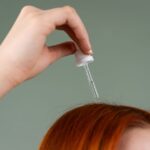
One practical concern is penetration. Caffeine must reach the hair follicle below the skin surface to have any effect. Some formulations penetrate better than others. Solutions and foams generally penetrate better than thick creams or oils.
If you are considering a caffeine product, check the concentration on the label. Products with less than 0.2% caffeine are unlikely to have any meaningful effect based on current evidence.
Is Caffeine Safe for Daily Use on the Scalp?
Topical caffeine is generally considered safe for most people. It is a common ingredient in many cosmetic products and has been used for years.
Some people may experience mild skin irritation, redness, or itching. This is more likely with higher concentrations or if you have sensitive skin. If irritation occurs, stop using the product and consult a dermatologist.
Caffeine is not known to interact with oral hair loss medications. Using a caffeine shampoo or serum alongside minoxidil or finasteride is unlikely to cause problems, but you should tell your doctor about all products you use on your scalp.
People who are pregnant or breastfeeding should be cautious with any new topical product. While caffeine is unlikely to be absorbed in significant amounts through the scalp, no safety studies have specifically examined this use in pregnancy.
What Are the Limitations of Caffeine for Hair Loss?
Hair loss has many causes. Caffeine only targets one small piece of the puzzle. If your hair loss is caused by a medical condition, medication side effect, or nutritional deficiency, caffeine will not address the root cause.
Androgenetic alopecia is a progressive condition. Even if caffeine slows shedding slightly, it does not stop the underlying hormonal process that shrinks hair follicles over time.
The studies that show positive effects are short-term. No research has followed people using topical caffeine for years. The long-term effectiveness is unknown.
Marketing claims often overstate what caffeine can do. Some products imply caffeine can regrow hair in the same way as prescription treatments. No study has confirmed this.
Should You Try Topical Caffeine?
Topical caffeine is not a miracle treatment, but it is not useless either. The evidence suggests it may provide a mild benefit for some people, particularly in slowing hair shedding.
If you are experiencing hair loss, the first step is to see a doctor or dermatologist. Hair loss can be a sign of an underlying health condition, and a professional can help identify the cause. Do not self-diagnose based on internet research.
If you are already using a proven treatment like minoxidil, adding a caffeine product is unlikely to hurt and may provide a small additional benefit. But do not replace proven treatments with caffeine.
For people with mild hair shedding who want to try a low-risk option, a caffeine shampoo or serum is a reasonable choice. Just keep expectations realistic. Caffeine is not a cure for baldness, and no credible evidence suggests it can be.
Frequently Asked Questions
How long does it take for caffeine to work on hair?
No consistent timeline has been established in clinical studies. Some small studies show effects within three to six months of daily use, but individual results vary widely.
Can caffeine regrow hair on a bald spot?
No clinical evidence confirms that caffeine can regrow hair on completely bald areas. It may slow shedding in early-stage hair loss, but it is not proven to restore hair where follicles have already stopped producing.
Is caffeine shampoo as effective as minoxidil?
No. Minoxidil has decades of clinical evidence supporting its effectiveness, while caffeine has limited human studies. Caffeine is not a substitute for minoxidil.
Does caffeine in shampoo reach the hair follicle?
Some studies suggest caffeine can penetrate the skin and reach hair follicles when applied topically. However, penetration depends on the formulation, and not all products deliver caffeine effectively.
