
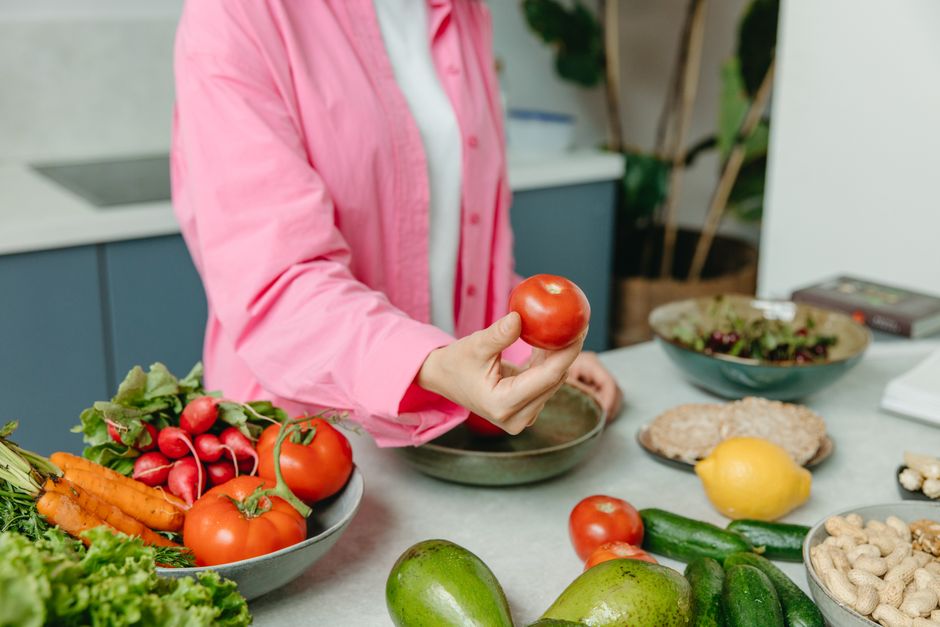
Yes, tomatoes contain protein. A medium raw tomato provides about 1.1 grams of protein, according to USDA nutritional data. That is a small amount compared with beans, eggs, or meat, but it is real protein, and it counts toward your daily intake.
Tomatoes are mostly water. Protein makes up only a small fraction of their weight. So the honest answer is not just “yes” or “no” — it is about how much protein tomatoes actually deliver and whether that amount matters for your diet.
How Much Protein Is in a Tomato?
The amount depends on the type and size. USDA data puts a medium raw tomato at roughly 1.1 grams of protein. A large tomato may reach about 1.5 grams. A cherry tomato has far less, closer to 0.1 to 0.2 grams each, because it weighs so little.
Here is a comparison of common tomato forms and their approximate protein content per typical serving:
| Tomato Type | Typical Serving | Approximate Protein |
|---|---|---|
| Raw tomato, medium | 1 tomato (about 123 g) | 1.1 g |
| Raw tomato, large | 1 tomato (about 182 g) | 1.5 g |
| Cherry tomatoes | 1 tomato (about 17 g) | 0.1–0.2 g |
| Canned diced tomatoes | 1/2 cup | About 1 g |
| Tomato paste | 2 tablespoons | About 1 g |
| Sun-dried tomatoes | 1/4 cup | About 1.5–2 g |
Drying and concentrating tomatoes raises the protein per serving because water is removed. That is why sun-dried tomatoes and paste show more protein per spoonful than a fresh slice. The protein itself does not increase — it is just packed into less volume.
One clarification worth making: the protein number goes up mostly because you are eating more tomato solids, not because processing creates protein. A cup of tomato sauce has more protein than a slice of fresh tomato for the same reason a raisin has more sugar than a grape.
Does Tomato Contain Protein? Understanding the Numbers
Yes, and the key word is “some.” Tomatoes are not a protein food. They are a low-calorie vegetable, botanically a fruit, that happens to carry a small amount of protein along with fiber, vitamins, and antioxidants.
To put 1.1 grams in context: a large egg has about 6 grams of protein. A half-cup of cooked beans has roughly 7 to 8 grams. A 3-ounce chicken breast has about 26 grams. You would need to eat several tomatoes to match a single egg.
That does not make tomato protein worthless. It just means tomatoes should not be counted on as a protein source. They contribute to your total, especially if you eat them often, but they cannot carry the load.
What Kind of Protein Is in a Tomato?
Tomato protein is made of the same amino acids found in other plant proteins. Like most plant foods, tomatoes are not a complete protein on their own — they are lower in some essential amino acids than animal foods.
In practice this rarely matters. If you eat a variety of foods across the day, including beans, grains, nuts, and vegetables, your body gets the full set of amino acids it needs. You do not have to combine specific foods at every meal for this to work.
Is Tomato Protein Enough to Meet Your Needs?
No. Tomatoes alone cannot meet your daily protein requirement. Adults generally need somewhere in the range of 0.8 grams of protein per kilogram of body weight per day as a baseline, though needs rise with age, activity, pregnancy, and illness.
For a 150-pound adult, that baseline is roughly 55 grams of protein a day. You would need to eat about 50 medium tomatoes to reach that from tomatoes alone. That is not a realistic or balanced way to eat.
The point is not that tomato protein is useless. It is that tomatoes belong in the vegetable category, contributing micronutrients, fiber, and hydration. Protein should come primarily from foods that deliver it in meaningful amounts.
How Does Tomato Protein Compare With Other Vegetables?
Tomatoes sit in the middle of the pack for vegetable protein. They beat lettuce and cucumber but fall well behind legumes and some greens.
Green peas, for example, provide several grams of protein per half-cup cooked serving. Spinach and broccoli also contribute more per serving than a tomato. Legumes like lentils, chickpeas, and beans are in a different category entirely, often delivering 7 to 9 grams per half-cup cooked.
If protein is your goal, plant foods like beans, lentils, edamame, and whole grains are far more efficient than tomatoes. Tomatoes add flavor, color, and nutrients — not protein density.
Does Cooking or Processing Change Tomato Protein?
Cooking does not destroy tomato protein in any meaningful way. Heat can change the structure of proteins, but your digestive system breaks them down into amino acids regardless. The total protein available to your body stays roughly the same.
What changes is concentration. Cooking drives off water, so a cup of cooked or canned tomatoes may show slightly more protein per cup than the same volume of raw tomato. Again, this is about water loss, not new protein.
Processing into paste, sauce, or sun-dried form concentrates everything — protein, sugar, fiber, and the antioxidant lycopene. Lycopene is actually better absorbed from cooked and processed tomatoes than from raw ones, because heat helps release it from the plant’s cell walls. That is a well-established finding, though it applies to lycopene, not protein.
Who Might Care About Protein in Tomatoes?
Most people do not need to track the protein in their tomatoes. It is a rounding error in the daily total. But a few groups may find the number relevant.
- People following a plant-based diet who want an accurate picture of where their protein comes from
- Anyone counting calories and macros who logs every food, including vegetables
- Older adults watching protein intake, since needs rise with age and every gram can help
- People with kidney or liver conditions who have been told to track protein closely
For these groups, logging tomato protein is fine. It is just not a reason to choose tomatoes as a protein source. If you are short on protein, adding a serving of beans or a handful of nuts will move the needle far more than adding another tomato.
One practical note: if you are relying on tomatoes as a major protein source, that is a sign your diet may be missing more protein-dense foods. A doctor or registered dietitian can help you build a plan that fits your needs.
Are There Any Downsides to Eating a Lot of Tomatoes?
For most people, tomatoes are a healthy food and eating them regularly is fine. There is no established harm from the protein in tomatoes because the amount is so small.
Some people are sensitive to tomatoes because of their acidity or their histamine content, and a small number have a genuine allergy. Acid reflux can also be triggered by tomatoes in people who are prone to it. These reactions are about the whole food, not the protein specifically.
Tomatoes are also a source of potassium. That is generally good, but people with kidney disease who have been told to limit potassium should follow their clinician’s guidance about how much tomato to eat.
The Bottom Line on Tomato Protein
Tomatoes contain protein — about 1.1 grams in a medium raw tomato. That is a genuine but small amount. Tomatoes are a valuable food for fiber, vitamins, and antioxidants, but they are not a protein source you can build a diet around.
If you want more protein, look to beans, lentils, eggs, dairy, fish, poultry, and meat. Keep eating tomatoes for what they do well. Just do not count on them to cover your protein needs.
Frequently Asked Questions
Does tomato contain protein?
Yes, tomatoes contain a small amount of protein — about 1.1 grams in a medium raw tomato, based on USDA data. They are not a protein-dense food, so they should not be relied on as a main protein source.
How much protein is in one tomato?
A medium raw tomato has roughly 1.1 grams of protein, and a large one has about 1.5 grams. Cherry tomatoes contain only about 0.1 to 0.2 grams each because they are so small.
Is tomato a complete protein?
No, tomato protein is not complete on its own because it is lower in some essential amino acids. Eating a variety of plant and animal foods across the day provides the full set of amino acids your body needs.
Can I get enough protein from tomatoes alone?
No, you cannot meet your daily protein needs from tomatoes alone. An adult generally needs far more protein per day than tomatoes could realistically provide, so protein should come mainly from beans, eggs, dairy, fish, poultry, or meat.
