
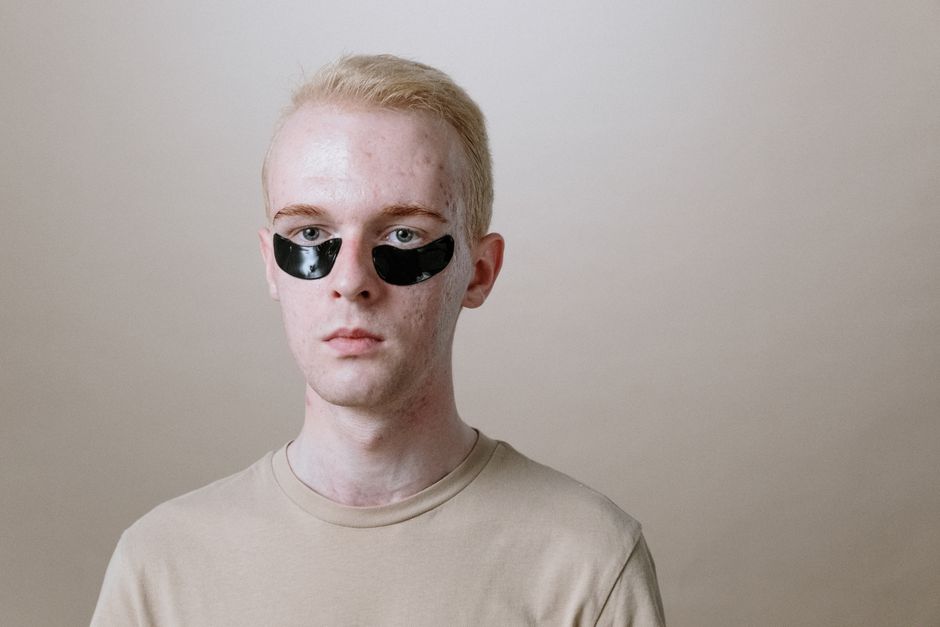
Sunlight can make pimples look better for a day or two, but it does not treat acne and often makes it worse over time. The temporary improvement people notice is mostly a tan and reduced redness masking the bumps underneath. Dermatologists have warned against using sun exposure as an acne treatment for decades, and the research supports that position.
Does The Sun Help Pimples?
No. There is no evidence that sunlight treats acne, and there is substantial evidence that it can worsen it.
The confusion comes from real short-term changes that people notice after time in the sun. Understanding what is actually happening explains why the improvement does not last.
When skin is exposed to ultraviolet (UV) radiation, several things happen at once. Blood flow to the skin increases, which can temporarily change skin tone and make redness less obvious. A tan develops, which visually blends pimples into the surrounding skin. Inflammation may calm slightly in the short term because UV exposure can suppress some immune activity in the skin.
None of these effects clear a blocked pore, reduce oil production, or kill the bacterium involved in acne. The pimples are still there. They are just harder to see against darker, more uniform skin.
Within days to a few weeks, the opposite often happens. The skin thickens and pores can become more blocked. Dryness triggers extra oil production. Inflammation rebounds. Many people end up with more breakouts than they started with.
Why Does Sun Exposure Sometimes Seem To Clear Acne?
The apparent improvement is a visual effect, not a treatment effect. It fades as the tan fades.
Three things create the illusion:
- Tanning masks redness. Acne lesions are often red against lighter skin. A tan reduces the contrast, so the same pimples look smaller and less noticeable.
- UV suppresses local inflammation briefly. This can make existing lesions look calmer for a short time. It does not address what caused them.
- Peeling from mild sunburn. When the top layer of skin sheds, some surface debris goes with it. This can feel like a clearing, but it does not affect the pore blockage underneath that drives acne.
There is also a selection effect. People tend to notice their skin when they feel good, and a day at the beach or pool often comes with better mood, less stress, and more sleep. Stress and poor sleep are both linked to acne flares in some people. The sun gets credit for changes that have other causes.
What Does UV Light Actually Do To Acne-Prone Skin?
UV radiation damages the skin in ways that specifically work against clear skin.
Here is what happens at the cellular level:
- Thickening of the stratum corneum. The outermost layer of skin gets thicker with repeated UV exposure. This makes it harder for oil and dead skin cells to exit the pore, which is the core problem in acne.
- Increased sebum production. UV exposure damages the skin barrier. The skin responds by producing more oil to compensate. More oil means more pore blockage.
- Inflammation rebound. The short-term calming effect is followed by increased inflammation as the skin repairs itself. This can trigger new lesions.
- Post-inflammatory hyperpigmentation. Dark marks left behind by healed pimples get darker and last longer when exposed to UV. This is especially true for people with medium to dark skin tones.
- Delayed wound healing. UV exposure slows the skin’s ability to repair itself, which means acne lesions take longer to resolve.
The net effect over weeks is almost always worse skin, not better. Dermatologists see this pattern regularly in people who try to “sun their acne away” every summer.





Does Sunlight Kill Acne Bacteria?
UV light does have some antibacterial properties, and this is the kernel of truth behind the sun-for-acne idea. But the effect on acne bacteria in living skin is not strong enough to be useful.
Laboratory studies show that UV can kill bacteria on surfaces. Skin is not a surface. The bacteria involved in acne, Cutibacterium acnes, live deep inside the pore, in an environment that UV light does not reach in meaningful amounts. The dose required to kill enough bacteria to clear acne would cause serious skin damage long before it worked.
This is why UV light is not used as an acne treatment. When dermatologists want to reduce acne bacteria, they use topical or oral medications that reach the pore directly.
Can Sun Exposure Make Acne Worse?
Yes. For many people, sun exposure is a direct trigger for breakouts.
The most common pattern is a flare a few days to two weeks after significant sun exposure. This happens because of the barrier damage, increased oil production, and inflammation rebound described above.
Some people also develop a specific condition called acne aestivalis, sometimes called Mallorca acne. It is a reaction to UV light that produces small, uniform bumps on the chest, shoulders, upper arms, and sometimes the face. It is not the same as typical acne, but it looks similar and is often mistaken for a sun-related breakout. It is most common in women and typically appears after sun exposure in spring or early summer.
Certain acne medications make sun sensitivity much worse. These include:
- Isotretinoin (Accutane and generics)
- Tetracycline antibiotics such as doxycycline and minocycline
- Topical retinoids such as tretinoin, adapalene, and tazarotene
- Some oral contraceptives
People taking these medications can burn much more easily and should be especially careful about sun exposure.
What About Sunlight And Vitamin D?
Vitamin D does play a role in immune function and skin health, and some research has looked at whether low vitamin D is linked to acne. The evidence is not strong enough to say that correcting a deficiency clears acne.
Some studies have found lower vitamin D levels in people with acne compared to people without it. This does not prove that low vitamin D causes acne or that raising it treats acne. It could simply be that people with acne spend less time outdoors, or that both reflect some other factor.
If you are concerned about vitamin D, the safer route is a supplement rather than intentional sun exposure. The amount of sun needed to make vitamin D is small and varies widely by skin tone, latitude, and season. For people with fair skin, it can be less time than it takes to burn. For people with darker skin, it can be much longer.
No clinical guidelines recommend sun exposure as a way to manage acne through vitamin D.
What Actually Helps Acne?
Acne treatments that work target the actual causes: excess oil, blocked pores, bacteria, and inflammation.
Established options include:
- Topical retinoids such as tretinoin, adapalene, and tazarotene. These are considered first-line for most acne.
- Benzoyl peroxide. Reduces bacteria and helps unblock pores.
- Topical antibiotics such as clindamycin, usually combined with benzoyl peroxide to reduce resistance.
- Oral antibiotics for moderate to severe acne, typically for a limited course.
- Isotretinoin for severe or treatment-resistant acne, prescribed under close medical supervision.
- Hormonal treatments for some women, including certain oral contraceptives and spironolactone.
Sun exposure is not on this list, and it is not recommended by any major dermatology organization as an acne treatment.
What you can do about sun exposure if you have acne:
- Use a broad-spectrum sunscreen with SPF 30 or higher every day.
- Choose a non-comedogenic formula, meaning it is designed not to clog pores.
- Reapply every two hours when outdoors, and more often if swimming or sweating.
- Seek shade during peak UV hours, generally late morning to mid-afternoon.
- Wear a hat and protective clothing when you can.
Some sunscreens can feel greasy or trigger breakouts in certain people. If that happens, try a different formulation. Gel-based and mineral sunscreens are often better tolerated by acne-prone skin, though individual responses vary.
Does A Tan Hide Acne Better Than It Helps It?
A tan hides acne. It does not help it. That distinction matters because hiding is temporary and the damage is not.
The tan itself is a sign of DNA damage. Skin produces more melanin in response to UV exposure as a protective response. Every tan represents injury to skin cells, and that injury accumulates over time.
Long-term sun exposure is linked to:
- Premature aging, including wrinkles and loss of skin elasticity
- Dark spots and uneven skin tone
- Increased risk of skin cancer, including melanoma
- Worsening of post-inflammatory hyperpigmentation from acne
For people with acne, the hyperpigmentation issue is often the most immediate concern. Dark marks left by healed pimples can take months to fade on their own, and sun exposure makes them darker and longer-lasting.
Is There Any Safe Way To Use Sun For Acne?
No. There is no safe or recommended way to use sun exposure to treat acne.
This is not a case where the evidence is mixed or where experts disagree. Major dermatology organizations consistently advise against intentional sun exposure for acne, and the reasons are well understood.
If you have acne and want to spend time outdoors, that is fine. Just protect your skin while you do it. The goal is to enjoy the sun without letting it work against your skin.
If your acne is not improving with over-the-counter treatments, a dermatologist can help. Effective prescription options exist, and they work by addressing the causes of acne rather than masking the symptoms.
Frequently Asked Questions
Does the sun clear up pimples?
No. Sun exposure does not clear acne and often makes it worse over time. Any short-term improvement is from tanning and reduced redness, not from treating the underlying cause.
Why does my acne seem better after being in the sun?
A tan masks redness and makes pimples less noticeable, and UV briefly suppresses skin inflammation. These effects fade within days, and breakouts often return worse.
Can sunlight make acne worse?
Yes. UV exposure thickens the outer skin layer, increases oil production, and triggers inflammation rebound, all of which can cause new breakouts. It also darkens post-acne marks and slows healing.
Should I use sunscreen if I have acne?
Yes. A broad-spectrum sunscreen with SPF 30 or higher protects against UV damage and prevents acne marks from getting darker. Choose a non-comedogenic formula to reduce the chance of clogged pores.
