
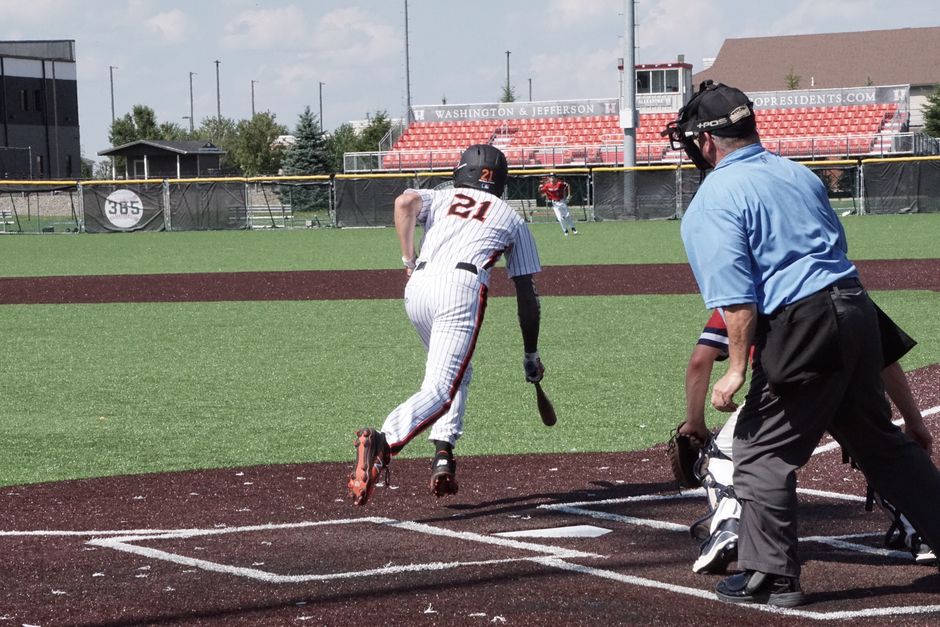
Yes, the strike zone changes with batter height. In Major League Baseball, the official strike zone is defined by each batter’s own body: the top is the midpoint between the shoulders and the top of the uniform pants, and the bottom is the hollow beneath the kneecap. A taller batter gets a taller zone. A shorter batter gets a shorter one. The width stays the same for everyone, but the top and bottom are set individually for every player in the box.
That basic definition has been in the rulebook for decades. What has changed is how the zone is measured and called, and how much the human element still matters. Here is what is actually established and what remains debated.
Does The Strike Zone Change With Batter Height?
It does, and the rule is explicit about it. The strike zone is not a fixed box hovering over home plate. It is a volume defined relative to the batter’s stance and body dimensions. The top edge is the midpoint between the top of the shoulders and the top of the pants. The bottom edge is the hollow beneath the kneecap. A player listed at 6 feet 4 inches will have a higher top edge than a player listed at 5 feet 9 inches, assuming similar posture in the stance.
The width of the zone is fixed. It extends over home plate, and the plate is 17 inches wide. So the zone is a rectangle whose width never varies but whose height is personal to the hitter.
This is why a short leadoff hitter and a tall power hitter can stand in the same box and face different zones. The pitcher must adjust. A pitch that is a strike on the tall hitter may be a ball on the short one, and the reverse is true near the knees.
What Exactly Defines the Top and Bottom of the Zone?
The rulebook language is precise, but the body landmarks it references are not fixed points. The top is halfway between the shoulders and the top of the uniform pants. The bottom is the hollow beneath the kneecap, which is a natural depression just below the kneecap on the front of the leg.
Notice that neither landmark is a fixed number of inches off the ground. Both move with the player. A batter who crouches deeply lowers the top of the zone. A batter who stands tall raises it. This is part of why stance matters so much, and why hitters are coached on posture.
The width, again, does not change. The zone is as wide as home plate for everyone. It is the vertical dimension that is personal.
Why Do Umpires and Automated Systems Call It Differently?
Because a human umpire cannot measure a batter’s shoulder height in real time, and an automated system needs a defined input to work from. This is the gap where most confusion about the strike zone lives.
Human umpires call the zone by eye, using the batter’s body as a reference. Research on umpire accuracy has consistently found that called strikes and balls deviate from the rulebook zone, especially at the edges. Umpires tend to have their own consistent tendencies rather than perfectly following the rule. That is not a scandal; it is the nature of a fast judgment made by a person watching a 95 mph pitch.
Automated ball-strike systems, used in some professional and developmental leagues, measure the pitch as it crosses the plate and compare it to a zone defined by the batter’s measured height and stance. The system needs a number for the top and bottom. It typically estimates the batter’s height and applies a proportional zone. That estimate is a model, not a measurement of the actual shoulders and kneecaps in that instant. So even the automated zone is an approximation of the rulebook definition.
Neither approach is perfectly faithful to the written rule. The human umpire is inconsistent but responsive to the actual batter. The automated system is consistent but relies on an estimate. Which is “better” is a genuine debate in baseball, not a settled question.
How Much Does Height Actually Matter in Practice?
Height changes the zone, but it does not change it as dramatically as many fans assume. The vertical difference between a very tall and a very short hitter is real but modest in the context of a pitch traveling at high speed with movement.
More important than raw height is stance. Two batters of identical height can present very different zones depending on how they stand, crouch, and hold their bodies. A tall hitter who crouches can effectively shrink the top of the zone. A shorter hitter who stands tall can raise it. Coaches and players have long understood this, and stance adjustments are a normal part of hitting instruction.
There is also a practical limit to how much a hitter can manipulate the zone. The rule references the batter’s body as he stands ready to swing. A stance that is obviously designed to distort the zone can draw scrutiny. The zone is personal, but it is not infinitely adjustable.
Does a Bigger Zone Help Pitchers or Hitters?
A larger zone generally favors the pitcher, because more of the plate area counts as a strike and the hitter must protect more territory. A smaller zone generally favors the hitter, because the pitcher must come closer to the center of the plate and has less room to work the edges.
This is one reason tall hitters are sometimes said to have an advantage: their zone is taller, but the extra height is often above where pitchers like to locate, and a tall hitter can cover the top of the zone with a longer reach. Short hitters are sometimes said to have a smaller, more compact zone that is harder to pitch to. These are tendencies discussed in baseball analysis, not hard rules. Individual skill, pitch recognition, and swing mechanics matter far more than a few inches of zone height.
The honest position: height shifts the zone in a predictable direction, but the effect on a player’s overall success is small compared with other factors. Do not overstate it.
What About Youth and Amateur Baseball?
Youth leagues often modify the strike zone for practical reasons. Younger players are still developing physically, and a zone defined by adult body proportions can be unrealistic. Many youth organizations use a zone that is adjusted for the age group, and some use a mat or a defined box behind the plate rather than the batter’s body.
The exact rules vary by league and age division. There is no single universal youth strike zone. If you are coaching or a parent, check the specific rulebook for your league rather than assuming the professional definition applies.
This is also where the height question becomes most relevant to families. A small player in a league that uses a body-based zone will have a genuinely small zone. A league that uses a fixed box will not adjust for height at all. The rulebook, not intuition, is the answer.
Common Myths About the Strike Zone and Height
Several ideas circulate that are not accurate. Worth separating them from the facts.
- The zone is a fixed box for everyone. Not true under the professional rule. The width is fixed; the height is personal to the batter.
- Taller players always get a bigger zone. The zone is taller, but stance and posture can shrink or raise it. Height alone does not determine the called zone.
- Automated systems call the exact rulebook zone. They approximate it using measured or estimated body dimensions. The estimate is a model, not a direct measurement of the batter’s shoulders and knees.
- Umpires follow the rule perfectly. Research shows called pitches deviate from the rulebook zone, especially at the edges. Umpires have tendencies.
The most useful takeaway is that the strike zone is defined relative to the batter, and that both human and automated calling involve approximation. The rule is clear. The application is not perfectly precise.
Frequently Asked Questions
Does the strike zone change with batter height?
Yes. The top of the zone is set at the midpoint between the batter’s shoulders and the top of the pants, and the bottom at the hollow beneath the kneecap, so a taller batter has a taller zone. The width stays the same for everyone.
Is the strike zone the same for tall and short players?
No. The width is identical because it is tied to home plate, but the top and bottom are set by each batter’s body, so the vertical size differs from player to player.
The exact called zone can also vary because umpires and automated systems both approximate the rulebook definition rather than measuring it perfectly.
How tall is the strike zone in inches?
There is no single number, because the zone is defined by body landmarks rather than a fixed height. The top and bottom move with each batter’s shoulders, pants, and knees.
Do youth leagues use the same strike zone rule?
Not necessarily. Youth organizations often adjust the zone for age and development, and some use a fixed box or mat instead of the batter’s body. Check your league’s specific rulebook.
