
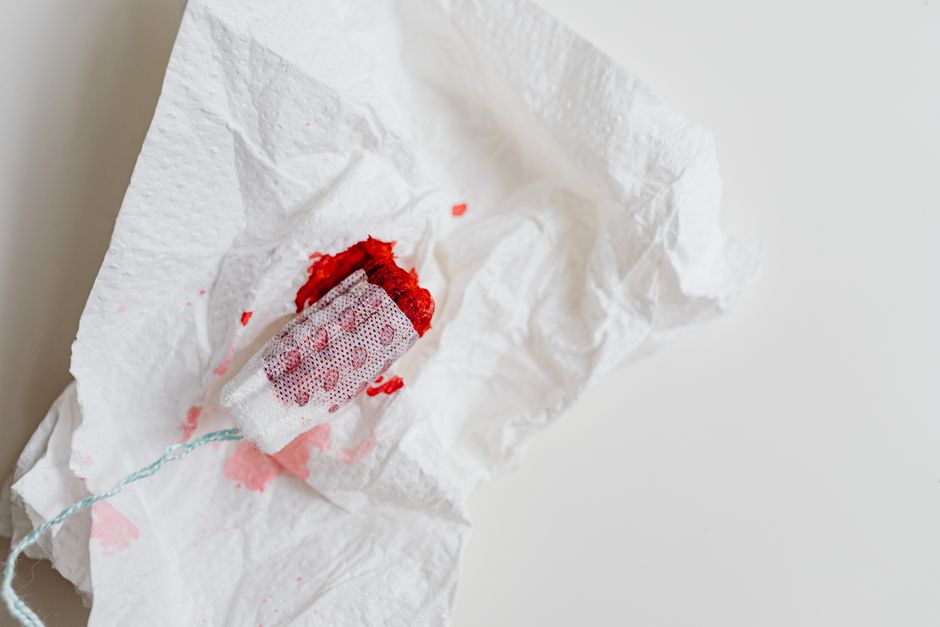
Emergency contraception can throw your cycle off in ways nobody warns you about. Yes, Plan B can cause bleeding — but it is usually light spotting or an earlier or later period, not heavy bleeding. The change comes from the hormone dose shifting your cycle timing, not from anything going wrong in your uterus. Most irregular bleeding after Plan B settles within one cycle.
What Is Plan B and How Does It Work?
Plan B One-Step is a single tablet containing 1.5 mg of levonorgestrel. It is a progestin, a synthetic form of the hormone progesterone your body already makes. You take it as soon as possible after unprotected sex, and it is approved for use up to 72 hours afterward.
The main way it works is by delaying ovulation. If the egg has not yet been released from the ovary, the hormone signal can hold it back. Sperm can survive in the reproductive tract for several days, so delaying the egg long enough means the sperm die before fertilization can happen. This is why timing matters so much — the sooner you take it, the more likely it is to work.
Levonorgestrel emergency contraception is not an abortion pill. If an egg has already been fertilized and implanted, Plan B does not end that pregnancy. Research has not shown that it prevents a fertilized egg from implanting. That distinction matters for how you understand the bleeding you might see afterward.
Does Plan B Cause Bleeding?
Yes, bleeding changes are one of the most commonly reported side effects of Plan B. The hormone dose disrupts the normal rhythm of your cycle, and that disruption can show up as spotting, an early period, or a late one.
The bleeding is not a sign that something is damaged or wrong. It is your uterine lining responding to a sudden shift in hormone levels. Progestin changes how the lining builds up and when it sheds. When you add a large dose mid-cycle, the timing of that shedding can move.
What people typically notice:
- Light spotting or brownish discharge in the days after taking it
- A period that arrives earlier than expected
- A period that arrives later than expected
- Bleeding that is lighter or heavier than your normal period
- No bleeding change at all
That last point is worth stating plainly. Many people take Plan B and notice nothing different about their bleeding. The absence of bleeding changes does not mean the pill did not work, and the presence of them does not mean it did.
How Common Is Bleeding After Plan B?
Bleeding changes are frequently reported, but the exact percentage varies by study and by how researchers define “irregular bleeding.” Some trials count any spotting; others count only a missed or early period. That makes a single reliable number hard to pin down.
What is consistent across the research is the direction: menstrual changes are among the most common side effects people report after taking levonorgestrel emergency contraception. Nausea, headache, fatigue, and breast tenderness are also commonly reported.
If you are trying to gauge whether your experience is normal, the more useful question is not “how many people bleed” but “what kind of bleeding is expected and what is not.” Light spotting and a shifted period are within the range of expected. Soaking through a pad or tampon every hour is not.





Why Does Plan B Cause Bleeding?
Your menstrual cycle runs on a carefully timed conversation between hormones. Estrogen builds the uterine lining up during the first half of the cycle. After ovulation, progesterone changes the lining so it can support a pregnancy if one starts. If no pregnancy occurs, progesterone drops, the lining sheds, and you get your period.
Plan B drops a large dose of progestin into the middle of that conversation. The lining and the hormone signals that control it get out of step. When the hormone level shifts again, the lining may shed earlier than scheduled, later than scheduled, or in small amounts at odd times.
This is a timing effect, not a toxicity effect. The levonorgestrel leaves your system within a few days, but the cycle it interrupted takes longer to reset. That is why bleeding changes can appear days after the pill, or not until your next expected period.
How Long Does Bleeding After Plan B Last?
Spotting usually resolves within a few days. A shifted period usually settles back into a normal pattern within one cycle.
For most people, the next one or two periods may be irregular in timing or flow, and then the cycle returns to its usual rhythm. If your cycles were regular before and remain irregular for more than a couple of months, that is worth discussing with a clinician — not because Plan B is dangerous, but because persistent irregular bleeding has many possible causes that deserve a look.
One practical point: because Plan B can delay ovulation, it can also delay your period. A late period after taking it is expected in some cases. It can also be an early sign of pregnancy, since no emergency contraceptive is 100% effective. If your period is more than a week late, a pregnancy test is the right next step.
Is Bleeding After Plan B a Sign It Worked?
No. Bleeding after Plan B does not tell you whether it worked. The pill’s effect on ovulation and the pill’s effect on your uterine lining are separate things. You can have bleeding and still be pregnant, or have no bleeding and not be pregnant.
This is one of the most common misunderstandings about emergency contraception. People sometimes read spotting as confirmation the pill “did its job.” It does not work that way. The only reliable way to know is to take a pregnancy test at the right time — typically after your period is late.
Effectiveness depends mainly on timing and on where you were in your cycle when you took it. Levonorgestrel emergency contraception works best the sooner it is taken after unprotected sex. It is less effective closer to ovulation, when the egg is already on its way.
When Should You Worry About Bleeding After Plan B?
Most bleeding after Plan B is expected and self-limiting. A few patterns are not, and those warrant medical attention.
Seek care if you have:
- Heavy bleeding that soaks through a pad or tampon every hour for several hours
- Bleeding with severe or one-sided pelvic pain
- Bleeding with dizziness, fainting, or a racing heart
- Bleeding that continues heavily for more than a week
- A positive pregnancy test with bleeding or cramping
Those signs can point to causes unrelated to Plan B — including an ectopic pregnancy, which is a medical emergency. Ectopic pregnancy is not caused by Plan B, but because Plan B does not prevent every pregnancy, it does not rule one out either. Any pregnancy that occurs despite emergency contraception should be confirmed as normally located by a clinician.
If something feels wrong, get it checked. That is true whether or not you can trace it to the pill.
Does Plan B Cause the Same Bleeding as Other Emergency Contraception?
Not necessarily. There are two main types of emergency contraception pill in the US, and they work differently.
| Type | Active ingredient | Bleeding changes |
|---|---|---|
| Levonorgestrel (Plan B One-Step and generics) | 1.5 mg levonorgestrel | Common; spotting or shifted period |
| Ulipristal acetate (ella) | 30 mg ulipristal acetate | Common; may differ in timing and pattern |
| Copper IUD | No hormone | Can cause heavier or crampier periods, especially early on |
Ulipristal acetate is a different drug and is approved for use up to 120 hours after unprotected sex. It also affects the cycle and can change bleeding timing. The copper IUD is the most effective form of emergency contraception and contains no hormones, but it often makes periods heavier and crampier, particularly in the first few months.
The bleeding you experience depends on which method you used, where you were in your cycle, and your own baseline pattern. Two people can take the same pill on the same day and have completely different experiences.
What Else Can Change Your Bleeding After Plan B?
Plan B is not the only thing that can shift your cycle. If you notice irregular bleeding after taking it, other factors may be involved or adding to the effect.
- Stress, which can delay ovulation and change period timing
- Starting, stopping, or missing doses of hormonal birth control
- Weight changes or significant illness
- Thyroid problems and other hormonal conditions
- Pregnancy itself
This is why a single episode of irregular bleeding is usually not cause for alarm, but a pattern that persists is worth investigating. The pill may have been the trigger, or it may have been a coincidence layered on top of something else.
Frequently Asked Questions
Does Plan B cause bleeding every time?
No. Bleeding changes are common but not universal, and many people notice no difference at all. Having no bleeding after Plan B does not mean it failed.
How long after taking Plan B can bleeding start?
Spotting can begin within a few days, while a shifted period may not show up until your next expected cycle date. The timing varies from person to person.
Can Plan B make your period late?
Yes. Because Plan B can delay ovulation, it can also delay your period. If your period is more than a week late, take a pregnancy test.
Is heavy bleeding after Plan B normal?
Light spotting and a heavier-than-usual period can happen, but soaking through a pad or tampon every hour for several hours is not expected. Seek medical care for that pattern, or for bleeding with severe pain or dizziness.
