
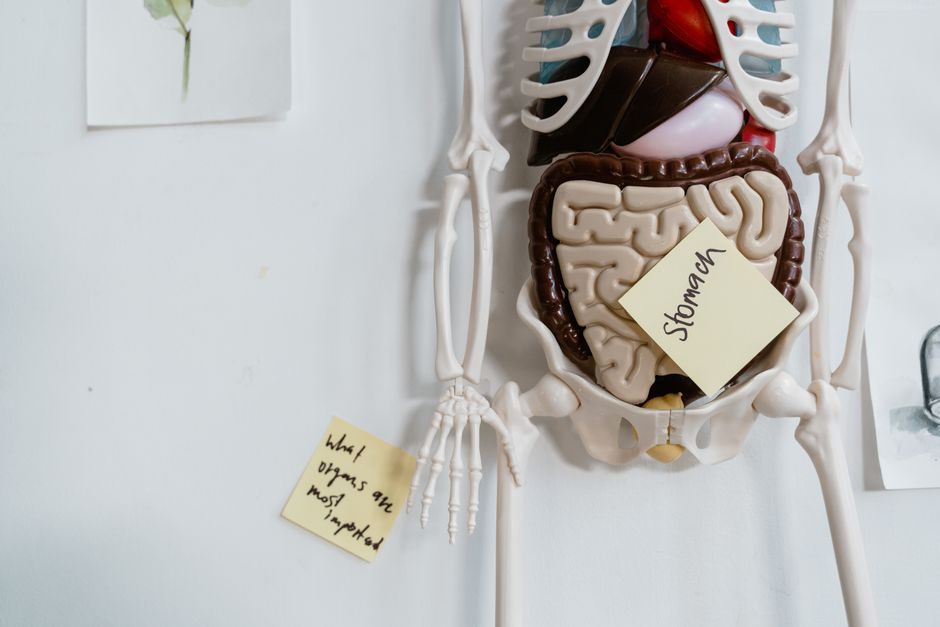
Your digestive system does absorb nutrients — that is its primary job. Every meal you eat gets broken down into molecules small enough to pass through the wall of your small intestine and into your bloodstream. From there, those molecules travel to your cells, where they fuel everything from muscle movement to brain activity.
The process is not instant. It takes hours, involves multiple organs working in sequence, and depends on a lot of things going right along the way. Understanding how it works can help you make sense of why certain foods leave you feeling energized while others do not.
How Does Nutrient Absorption Actually Work?
Absorption happens mainly in the small intestine, a coiled tube about 20 feet long. By the time food reaches this point, it has already been broken down mechanically and chemically in the mouth and stomach. The small intestine finishes the job and then absorbs the results.
The wall of the small intestine is not smooth. It is covered in finger-like projections called villi, and each villus is covered in even smaller projections called microvilli. This structure creates an enormous surface area — roughly the size of a tennis court — packed into a space inside your abdomen. That surface area is where absorption takes place.
Different nutrients get absorbed at different points:
- Iron and calcium are absorbed mainly in the duodenum, the first section of the small intestine.
- Fats, proteins, and carbohydrates are absorbed throughout the jejunum, the middle section.
- Vitamin B12 and bile salts are absorbed in the ileum, the final section.
- Water and some minerals are absorbed in the large intestine after the small intestine has done most of the work.
Nutrients cross the intestinal wall in a few different ways. Some pass directly through cells by simple diffusion. Others need specific transport proteins to carry them across. A few, like certain fats, get packaged into tiny droplets called chylomicrons before entering the lymphatic system and eventually the bloodstream.
What Role Does Each Digestive Organ Play?
Absorption is the end result of a chain of events. Each organ in the digestive tract contributes something essential, and a problem in any one of them can affect how well nutrients get absorbed overall.
The mouth starts the process. Chewing breaks food into smaller pieces, and saliva contains an enzyme called amylase that begins breaking down starch. This step matters more than many people realize — food that is not chewed well is harder for the rest of the system to process.
The stomach mixes food with acid and enzymes. The acid kills bacteria and activates pepsin, which starts breaking down proteins. The stomach does not absorb many nutrients itself, but it prepares food for the small intestine by turning it into a semi-liquid substance called chyme.
The pancreas releases enzymes into the small intestine that break down fats, proteins, and carbohydrates. It also releases bicarbonate to neutralize stomach acid, because the small intestine works best in a neutral or slightly alkaline environment.
The liver produces bile, which is stored in the gallbladder and released into the small intestine. Bile emulsifies fat — it breaks large fat droplets into smaller ones so enzymes can digest them more effectively. Without bile, fat absorption drops significantly.
The large intestine absorbs water and electrolytes, and it houses trillions of bacteria that ferment fiber and produce some vitamins, including vitamin K and certain B vitamins. How much of those vitamins the body actually absorbs from this process is still an area of active research.
What Can Prevent the Digestive System From Absorbing Nutrients?
When absorption goes wrong, the cause usually falls into one of a few categories: damage to the intestinal lining, missing enzymes, or conditions that speed up transit time so nutrients do not have enough contact with the intestinal wall.
Celiac disease is one well-known example. In people with this autoimmune condition, eating gluten triggers damage to the villi in the small intestine. Flattened villi mean less surface area for absorption. This can lead to deficiencies in iron, calcium, folate, and fat-soluble vitamins. The condition is diagnosed through blood tests and confirmed with a biopsy of the small intestine.
Crohn’s disease and other inflammatory bowel conditions can also damage the intestinal lining, though the location and extent of damage varies widely from person to person. Some people with Crohn’s absorb nutrients normally between flare-ups. Others develop deficiencies over time.
Lactose intolerance is a different kind of problem. It involves a missing or reduced enzyme — lactase — rather than damage to the intestine itself. Undigested lactose gets fermented by gut bacteria, causing gas, bloating, and diarrhea. The symptoms are uncomfortable but do not typically cause nutrient deficiencies.
Other factors that can affect absorption include:
- Excessive alcohol use, which can damage the intestinal lining and impair absorption of thiamine, folate, and other B vitamins.
- Certain medications, including some acid-reducing drugs that can affect vitamin B12 and mineral absorption with long-term use.
- Surgical removal of part of the intestine, which reduces the surface area available for absorption.
- Untreated infections that cause prolonged diarrhea and speed up transit time.
- Pancreatic insufficiency, where the pancreas does not produce enough digestive enzymes.
Some clinicians recommend specific supplements or dietary changes for people with these conditions. The evidence supporting different approaches varies. Anyone with a diagnosed absorption problem should work with a gastroenterologist rather than self-treating.




Does the Digestive System Absorb All Nutrients Equally?
No. Absorption efficiency varies widely depending on the nutrient, the food it comes in, and the state of your digestive tract.
Iron from animal sources (heme iron) is absorbed more efficiently than iron from plant sources (non-heme iron). Vitamin C enhances non-heme iron absorption when eaten at the same meal. Calcium absorption depends on vitamin D status — without enough vitamin D, the body cannot absorb calcium efficiently regardless of how much you consume.
Fat-soluble vitamins — A, D, E, and K — need dietary fat to be absorbed properly. Eating a fat-free salad with a vitamin A-rich vegetable like carrots means you absorb less of that vitamin A than if you had added olive oil or avocado.
Some nutrients compete with each other. High doses of zinc can interfere with copper absorption. Calcium and iron compete for the same transport pathways when taken together in supplement form. This is one reason why taking a handful of individual supplements at once is not the same as getting nutrients from food.
Fiber is another factor. It slows digestion and can bind to some minerals, reducing their absorption. But fiber also feeds gut bacteria and supports overall digestive health. The relationship is complex, and the net effect depends on the type and amount of fiber and the mineral in question.
How Long Does It Take to Absorb Nutrients From a Meal?
Nutrient absorption starts within minutes of eating and continues for hours. Some water and simple sugars begin crossing the stomach lining almost immediately. Most nutrient absorption happens in the small intestine over a period of roughly three to five hours after a meal, though this varies based on meal composition and individual factors.
A large, high-fat meal empties from the stomach more slowly than a small, low-fat meal. That means absorption takes longer but also spreads out over a longer window. A liquid meal moves through faster.
The large intestine then processes what remains for another several hours to a day or more. By the time waste reaches the rectum, most of the water and absorbable nutrients have been extracted.
Individual variation is significant. Gastric emptying speed, intestinal length, enzyme production, gut bacteria composition, and even stress levels can all shift the timeline. There is no single “normal” duration that applies to everyone.
Can You Improve Nutrient Absorption?
For most healthy people with a functioning digestive system, nutrient absorption is already efficient. The body is good at extracting what it needs from a varied diet. There is no supplement or food that dramatically increases absorption in someone whose system is working normally.
That said, a few practical habits support the process:
- Chew food thoroughly. Digestion starts in the mouth, and smaller particles are easier for enzymes to break down.
- Eat fat with fat-soluble vitamins. A little olive oil, nuts, or avocado with your vegetables helps you absorb vitamins A, D, E, and K.
- Pair plant iron with vitamin C. Adding citrus, bell peppers, or tomatoes to a bean or spinach dish can improve iron uptake.
- Limit alcohol. Heavy drinking damages the intestinal lining and impairs absorption of several vitamins.
- Talk to a doctor about persistent symptoms. Ongoing diarrhea, bloating, fatigue, or unexplained weight loss can signal an absorption problem that needs medical evaluation.
Marketing claims about “boosting absorption” or “enhancing nutrient uptake” are common. Most have little or no clinical evidence behind them. If your digestive system is healthy, it does not need help absorbing nutrients. If it is not healthy, the solution is a diagnosis and targeted treatment, not a supplement advertised online.
Frequently Asked Questions
Where does most nutrient absorption take place?
Most nutrient absorption happens in the small intestine, specifically through the villi and microvilli that line its inner wall. The large intestine absorbs water and some minerals but plays a smaller role in nutrient uptake.
How long after eating are nutrients absorbed?
Absorption begins within minutes and continues for several hours, with most nutrients entering the bloodstream from the small intestine within roughly three to five hours after a meal. The exact timing depends on meal size, fat content, and individual digestive factors.
Can you absorb nutrients without a gallbladder?
Yes, but fat absorption may be less efficient because bile is no longer stored and released in concentrated bursts. The liver still produces bile continuously, and most people adapt over time without major nutritional problems.
What causes poor nutrient absorption?
Common causes include celiac disease, Crohn’s disease, pancreatic insufficiency, intestinal infections, excessive alcohol use, and surgical removal of part of the intestine. Each of these affects absorption through different mechanisms.
