

No, the COVID-19 vaccines do not fully prevent infection. They were designed and are still best understood as a way to train the immune system to fight the virus, which makes severe illness, hospitalization, and death far less likely — but they do not build a wall that the virus cannot cross.
That single distinction explains most of the confusion people still have about COVID shots. The vaccines reduce your chance of getting infected, and they reduce how sick you get if you do. They do not make infection impossible, and they never did.
Here is what the evidence actually shows, and where it is genuinely uncertain.
What does the COVID vaccine actually do?
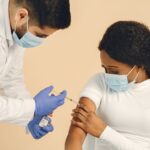
The vaccines teach your immune system to recognize the spike protein on SARS-CoV-2, the virus that causes COVID-19. The mRNA vaccines (Pfizer-BioNTech and Moderna) deliver genetic instructions for that spike protein. The Novavax vaccine delivers a lab-made piece of the spike protein itself. The Johnson & Johnson vaccine, which is no longer available in the US, used a harmless virus to carry the instructions.
In every case, the goal is the same: your body produces antibodies and trains T cells that recognize the virus. If you later encounter SARS-CoV-2, that prepared immune response can attack it faster and more effectively than a first-time response could.
This is why the vaccine mainly protects against severe outcomes. The virus can still get into your nose and throat and start replicating before your immune system fully responds. What the vaccine does is stop that infection from turning into a serious illness in most people.
Does the COVID vaccine prevent infection?
It reduces the risk of infection, but it does not eliminate it. This is sometimes called “infection-blocking” immunity, and the COVID vaccines provide it partially and temporarily.
Early in the pandemic, before the virus mutated, the vaccines were quite good at reducing infections. As the virus evolved — particularly with the Omicron variant and its descendants — that protection against any infection dropped significantly. The vaccines still protect well against severe disease, but their ability to stop a mild infection is limited and short-lived.
Protection against infection also fades faster than protection against severe illness. Antibodies in the nose and throat decline over months, while the memory T cells and B cells that prevent severe disease last much longer.
So the honest answer is: the vaccine lowers your odds of getting infected, especially in the weeks after a dose, but it does not stop infection reliably. Anyone who told you it would was overstating what the data showed.
Why do vaccinated people still get COVID?
There are two main reasons, and both are normal parts of how vaccines work.
First, the virus changes. SARS-CoV-2 has mutated repeatedly since 2020. Each major variant has looked different enough to your immune system that antibodies from an older vaccine or infection recognize it less well. This is similar to how flu vaccines are updated each year because the flu virus drifts.
Second, immunity in the respiratory tract is different from immunity in the blood. The vaccines are injected into the muscle, so they produce strong antibody levels in the bloodstream. But the virus enters through the nose and airways, where antibody levels are lower and fade faster. This is a real limitation of injected vaccines, and it is one reason researchers have studied nasal vaccines.
None of this means the vaccine failed. It means the vaccine is doing what injected vaccines generally do well — preventing severe disease — and not doing the thing they generally do less well, which is blocking infection at the point of entry.


How well do the vaccines work against severe illness?
Protection against severe disease, hospitalization, and death has held up much better than protection against infection. Across multiple variants, people who were vaccinated were substantially less likely to end up in the hospital or die compared to people who were not vaccinated.
This protection is strongest shortly after vaccination and does decline over time, which is why booster doses were recommended for certain groups. It also tends to be somewhat weaker in older adults and people with weakened immune systems, who are also at higher risk from COVID itself.
It is worth being precise here. The vaccines are not equally protective for everyone. A healthy 40-year-old and an 80-year-old with heart disease do not get the same level of benefit. This is true of most vaccines, and it is why public health guidance has generally prioritized older and higher-risk groups for boosters.
Do the vaccines reduce how contagious you are?
Partly, and only for a while. If a vaccinated person does get infected, they may clear the virus faster and shed less of it in the early days, which can reduce how much they spread it to others. But this effect is modest and short-lived.
This is one of the less intuitive points about the vaccines. Early on, there was hope that vaccination would create enough herd immunity to stop transmission entirely. That did not happen, largely because the vaccines do not reliably block infection and because the virus kept changing.
Vaccination still reduces transmission somewhat, but it is not a reliable tool for preventing spread on its own. Someone who is vaccinated can still catch and pass on the virus, even without feeling sick.
What about natural immunity versus vaccine immunity?
Both infection and vaccination produce immunity, and both are real. The evidence suggests that immunity from a prior infection — sometimes called “hybrid immunity” when combined with vaccination — can be strong and long-lasting, particularly against severe disease from variants related to the one that caused the infection.
That said, getting immunity through infection carries a real cost. COVID infection can cause serious illness, hospitalization, death, and in some people long-term symptoms. Vaccination produces immunity without that risk.
The evidence does not support the idea that natural immunity makes vaccination unnecessary for everyone. It also does not support the idea that vaccination alone provides complete, permanent protection. Most people build their strongest protection from a combination of both.
Key facts at a glance
| Question | What the evidence shows |
|---|---|
| Do vaccines stop all infection? | No |
| Do they reduce infection risk? | Yes, especially shortly after a dose |
| Do they protect against severe illness? | Yes, and this protection lasts longer |
| Does protection fade over time? | Yes, particularly against infection |
| Can vaccinated people spread the virus? | Yes, though possibly less and for a shorter time |
What this means for you
If you are trying to decide what to do, the practical takeaway is this: the COVID vaccines are a tool for reducing your risk of getting seriously sick, not a guarantee that you will never be infected. They work best as part of a broader approach that includes staying current on recommended doses and paying attention to your own risk factors.
If you are older, immunocompromised, or have conditions like heart or lung disease, the benefit of vaccination against severe outcomes is larger for you. If you are young and healthy, your baseline risk from COVID is lower, but the vaccine still reduces your chance of severe illness.
The most important thing is to have accurate expectations. A vaccine that prevents severe disease but not every infection is still doing meaningful work. It just is not doing the thing many people assumed it would.
Frequently Asked Questions
Does the COVID vaccine prevent infection completely?
No. The vaccines reduce your risk of infection, especially in the weeks after a dose, but they do not block it entirely.
Why can vaccinated people still get COVID?
The virus mutates, and injected vaccines produce weaker antibody protection in the nose and airways where the virus enters.
Are the COVID vaccines still effective against severe illness?
Yes. Protection against hospitalization and death has held up much better than protection against infection across variants.
Does natural immunity work better than the vaccine?
Both produce real immunity, and the strongest protection often comes from a combination of infection and vaccination.
