
Yes, THCa turns into Delta-9 THC when heated. This process is called decarboxylation. When you apply heat to raw cannabis flower, a chemical reaction removes a carboxyl group from the THCa molecule. This converts the non-psychoactive THCa into the psychoactive Delta-9 THC. Without heat, THCa will not produce a high.
What Is THCa and How Is It Different From Delta-9 THC?
THCa, or tetrahydrocannabinolic acid, is the raw form of THC found in fresh cannabis plants. The plant produces THCa naturally as it grows. Delta-9 THC is the compound most people associate with the “high” from cannabis.
The difference comes down to one chemical group. THCa has an extra carboxylic acid group attached to its molecule. This extra group makes THCa non-psychoactive. It does not bind well to the CB1 receptors in your brain. That is why eating raw cannabis leaves or juicing them will not get you high.
Delta-9 THC does not have this carboxyl group. Its structure allows it to bind to CB1 receptors, which triggers the psychoactive effects. Heat is what removes that carboxyl group and changes the molecule’s shape and function.
How Does Decarboxylation Work?
Decarboxylation is the chemical reaction that removes the carboxyl group from THCa. The term comes from “carboxyl” and the process of removing it. When you heat cannabis, the molecule releases carbon dioxide (CO2) and water as byproducts.
The reaction happens when the temperature reaches a specific range. Studies have shown that THCa begins to convert to Delta-9 THC at temperatures around 220°F (105°C). The conversion happens most efficiently between 220°F and 250°F (105°C to 120°C).
Time matters as much as temperature. Lower temperatures require longer heating times. Higher temperatures convert faster but risk degrading the THC into other compounds like CBN. CBN is mildly psychoactive but much weaker than Delta-9 THC. It is more known for sedative effects.
This is why smoking, vaping, and baking all produce psychoactive effects. Each method applies enough heat to trigger decarboxylation. The specific temperature and duration change the final product slightly, but the core chemical conversion is the same.
What Temperature Does THCa Convert to Delta-9 THC?
The ideal temperature range for decarboxylation is between 220°F and 250°F (105°C to 120°C). At these temperatures, the conversion is efficient and preserves most of the Delta-9 THC.
Here is a simple breakdown of what happens at different temperatures:
- Below 200°F (93°C): Very little conversion happens. THCa mostly remains intact.
- 220°F to 250°F (105°C to 120°C): Optimal conversion. Most THCa becomes Delta-9 THC.
- Above 300°F (149°C): THC begins to degrade. Some converts to CBN, which reduces potency.
When you smoke a joint or use a pipe, the flame temperature is much higher than 250°F. But the cannabis itself does not stay at that temperature for long. The smoke and heated air bring the plant material into the conversion range briefly. This is why smoking works, even though the flame is far hotter than the ideal range.
Vaping is more precise. Many vaporizers allow you to set an exact temperature. This gives you more control over how much THCa converts and how much remains as THCa.




Does Smoking or Vaping Convert All THCa to Delta-9 THC?
No. The conversion is not always complete. Several factors affect how much THCa actually converts to Delta-9 THC.
Smoking is inefficient. The high heat from combustion destroys some of the THC before you inhale it. Research suggests that smoking converts a significant portion of THCa, but some is lost to the flame and smoke. The exact percentage varies widely based on how you smoke, how tightly you pack the bowl, and how long you hold the flame on the material.
Vaping tends to be more efficient. Because you control the temperature, you can keep it in the optimal range for longer. This allows more THCa to convert while minimizing THC degradation. Many users report that vaping feels stronger than smoking the same amount of flower. This is partly because more of the THCa actually reaches your bloodstream as Delta-9 THC.
Edibles follow a different path. When you bake cannabis into butter or oil, the heat from the oven or stovetop performs the decarboxylation. If you do not heat the cannabis first, the THCa will not convert. This is why recipes for cannabis edibles almost always include a decarboxylation step before adding cannabis to the recipe.
Why Does THCa Show Up Differently on Lab Tests?
Lab testing for cannabis is more complicated than it might seem. Most standard lab tests use heat as part of the testing process. This heat can cause THCa to convert to Delta-9 THC during the test itself.
Many labs report “total THC” rather than just Delta-9 THC. This total includes the Delta-9 THC already present plus the THCa that would convert if heated. The formula is straightforward: total THC = Delta-9 THC + (THCa × 0.877). The 0.877 factor accounts for the weight lost when the carboxyl group is removed.
This matters for legal and medical purposes. If a product lists “THC” on the label, it may be reporting total THC. That number assumes full decarboxylation. If you consume the product without heating it, you will not experience the effects that the label suggests.
Some states require separate reporting of THCa and Delta-9 THC. Others use total THC for regulatory limits. Understanding which number you are looking at helps you interpret product labels accurately.
Does THCa Have Any Effects on Its Own?
THCa does not produce psychoactive effects. It will not get you high. But research is exploring whether it has other effects.
Some studies suggest THCa may have anti-inflammatory properties. Other research has looked at its potential for nausea relief and neuroprotective effects. The evidence is early and limited. No large human trials have confirmed these effects.
This is an important distinction. THCa is not simply an inactive precursor. It is a distinct compound with its own potential biological activity. But none of this research suggests that THCa is psychoactive. The high only comes from Delta-9 THC, which requires heat to form.
Can You Get High From Raw Cannabis or THCa Products?
No. Raw cannabis and unheated THCa products will not produce a high. The THCa must convert to Delta-9 THC through heat first.
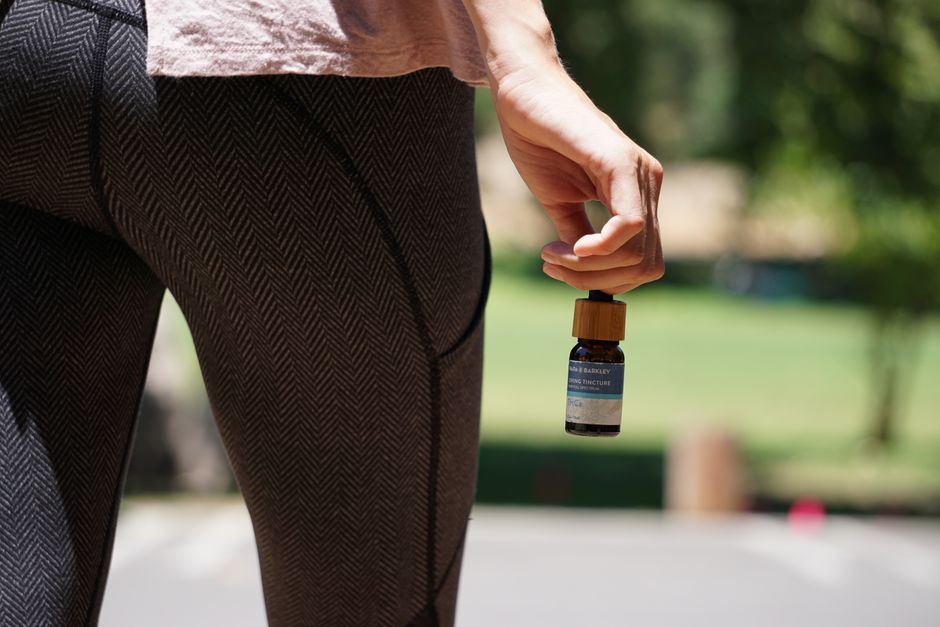
This is why some people use raw cannabis or THCa tinctures for potential therapeutic effects without experiencing intoxication. The THCa remains in its acidic form. It does not bind to the CB1 receptors that cause psychoactive effects.
If you heat a THCa product, the conversion happens. A tincture that you hold under your tongue will not get you high. The same tincture added to a hot beverage might. The heat from the beverage could trigger decarboxylation.
This also explains why some people report different effects from the same strain consumed different ways. The ratio of THCa to Delta-9 THC changes based on how you prepare and consume the product. Fresh flower has mostly THCa. After heating, it becomes mostly Delta-9 THC.
Does THCa Turn Into Delta-9 THC Over Time Without Heat?
Yes, but very slowly. THCa can decarboxylate naturally over time, even without heat. This happens because the carboxyl group is not perfectly stable. It can break off slowly under the right conditions.
Light, air, and humidity all affect this process. Cannabis stored for months or years will slowly convert some THCa to Delta-9 THC. This is one reason aged cannabis can feel different from fresh cannabis. But this natural conversion is slow and incomplete. Heat remains the most reliable and efficient way to trigger decarboxylation.
Proper storage slows this process. Keeping cannabis in a cool, dark, airtight container preserves THCa content. This matters for people who want to maintain the raw form of the compound.
Frequently Asked Questions
Does THCa turn into Delta-9 THC when vaped?
Yes. Vaping heats cannabis to temperatures between 220°F and 250°F, which triggers decarboxylation. This converts THCa into psychoactive Delta-9 THC.
How long does it take to decarboxylate THCa?
At 240°F, most THCa converts within 30 to 40 minutes. Lower temperatures require longer times, while higher temperatures convert faster but risk degrading THC.
Will THCa show up on a drug test?
THCa can show up on drug tests that screen for cannabis metabolites. Most standard tests detect THC metabolites, and THCa can convert to these during the testing process.
Can you eat raw THCa flower to get high?
No. Eating raw cannabis flower will not produce a high because the THCa has not been heated. The compound must be decarboxylated to become psychoactive Delta-9 THC.
